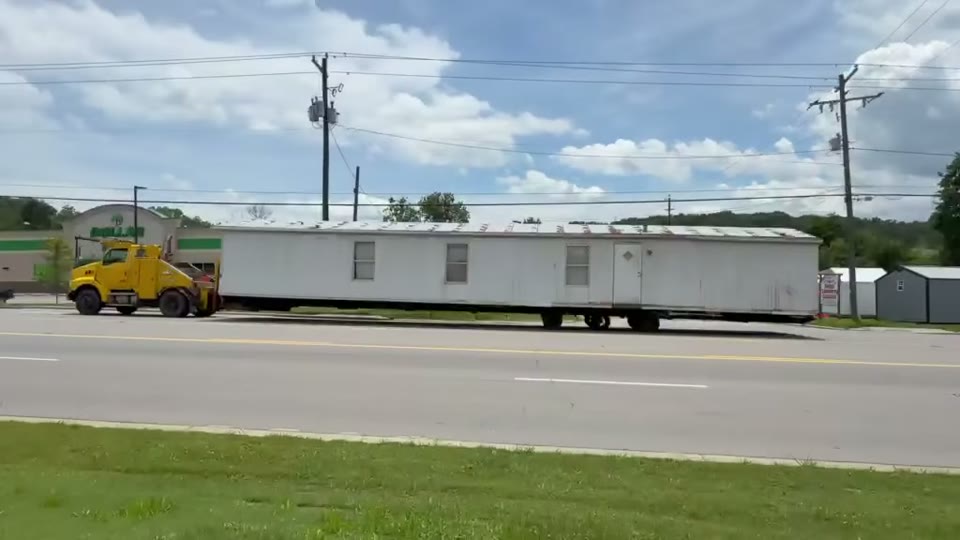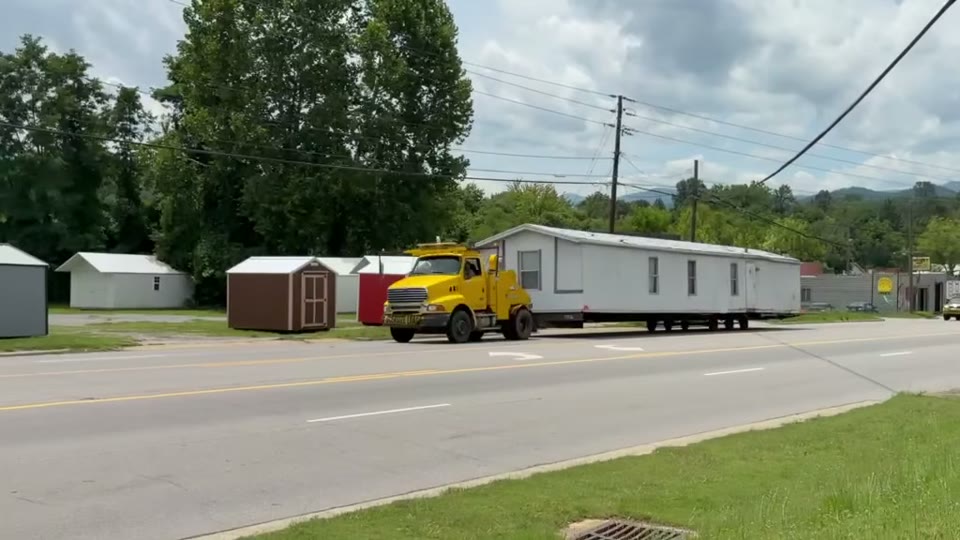
Mountain terrain sets every Buncombe County move apart
Every Western North Carolina mobile home move starts with a route question that piedmont moves rarely face. Buncombe County's Blue Ridge terrain means roads climb, narrow, and run into low-clearance passages between a home's current site and its next one, and movers price all of that in. The cheapest way to move a mobile home here is still a real number: single-wide transport in Western North Carolina typically runs $3,000 to $8,000, but where any specific job lands in that range depends on terrain, mileage, and who handles the work beyond transport. Owners who understand the breakdown before they call have a real shot at the lower end.
In Buncombe County, moves are often triggered by a park closing, a rural land sale, or a family relocating to a different part of the county's ridge-and-valley landscape. Whatever the reason, the NC mobile home moving cost guide walks through each line item in full. This page answers a narrower question: where can an owner actually cut the bill without cutting corners on safety or the law.
Where the money goes — and where to trim it
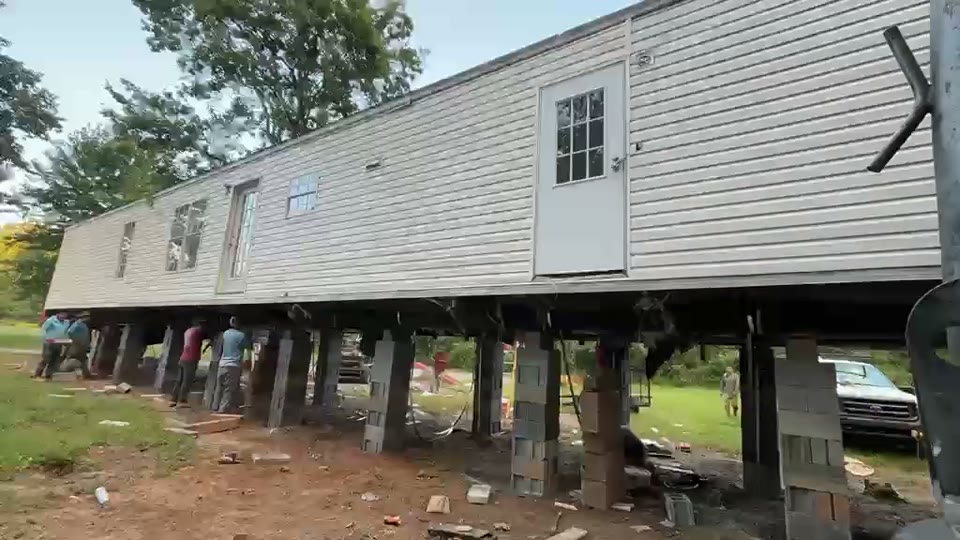
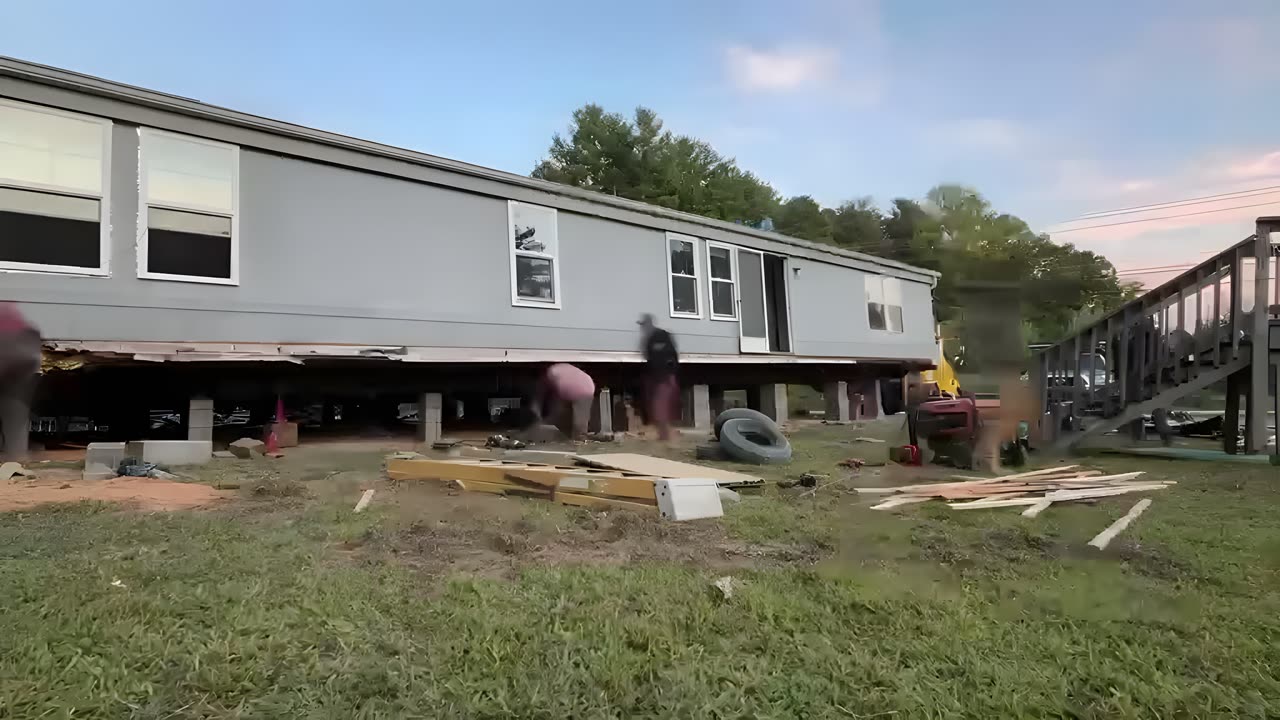
Transport is one invoice; setup is another. A mover's quote covers pulling, road permits, and fuel. Blocking, leveling, tie-down installation, and utility rough-in are almost always separate: either contracted with a licensed installer at the destination or bundled into a full-service quote at a higher price. Splitting the work is the most direct lever most owners miss. Those who manage permits, coordinate the destination site, and hire a setup contractor directly often save several hundred to a few thousand dollars compared to a single bundled quote on the same move.
| Move Scope | Typical Range (Western NC, Single-Wide) |
|---|---|
| Transport only — permits and site prep handled by owner | $3,000 – $4,500 |
| Transport + mover pulls permits | $3,500 – $5,500 |
| Transport + blocking and leveling at destination | $4,500 – $7,000 |
| Full-service: transport, permits, blocking, tie-downs | $6,000 – $8,000 |
Timing is a secondary lever. Movers are busiest late spring through summer; jobs booked in late fall or early winter often come with more scheduling flexibility, which can translate to a lower quote when a crew needs to fill a calendar gap. Route mileage moves the number more than timing does, but both matter on a long haul across Buncombe County's mountain roads. Single-wide specialists who know Western NC routes can often quote more tightly than general haulers quoting off a map.
Why towing it yourself is not actually cheaper
North Carolina closes the DIY tow option firmly. A manufactured or mobile home on a public road requires an oversize and overweight transport permit, and NCDOT Publication MH-2 specifies that the move must be performed by a permitted mover, not the homeowner's pickup or a rented rig. Attempting an unpermitted move risks the home being stopped on the road, citation costs, impoundment fees, and liability for any damage along the route. The permit requirement exists because a 14-foot-wide structure on a mountain two-lane is a managed hazard, not a routine haul.
Free move offers are different in form but end in the same place. An offer to absorb a home's transport cost from a park, a buyer, or a developer restructures that cost rather than eliminates it. The trade is almost always a long-term lease commitment, a land price that reflects the buried move expense, or a destination the other party selects rather than the owner. There is no state or federal program that moves privately owned manufactured homes at no cost; anyone representing otherwise is describing a deal, not a benefit.
Permits and paperwork — what clears before the wheels roll
Two separate tracks have to close before a mobile home moves legally in North Carolina. The first is the NCDOT oversize move permit, described in Publication MH-2, which covers road routing and the permitted mover requirement. The second is a tax-paid moving permit under NCGS Chapter 105, Article 18, confirming that county property taxes on the home are current before it leaves the parcel. In Buncombe County, the tax certificate is processed through the county tax office; without it, the move cannot lawfully proceed.
Most licensed movers handle the NCDOT permit as part of their service. The tax certificate is the owner's responsibility in most cases. Get it early: processing time at the county level varies, and a delayed certificate pushes the move date and may cost more if the mover's schedule shifts. Owners who are organized on paperwork and have the destination site prepared before move day typically hold the most negotiating leverage on the total price.
Setup at the new site — what code requires in Buncombe County
The home arriving on the new site is not the end of the job. Buncombe County falls in HUD Wind Zone I under 24 CFR 3280.305: the least severe of the three zones, but the anchoring and tie-down requirement still applies at that designation. Setup work in North Carolina, including blocking, leveling, and tie-down installation, must be performed by a contractor licensed through the NC Manufactured Housing Board (NC Office of State Fire Marshal). Owner-performed permanent installation is not permitted under state rules.
The setup contract is almost always separate from the transport contract, which means owners who quote transport and setup independently can sometimes negotiate a better total number than a single bundled quote from one company. The mobile home transport service guide covers how to scope the move, what to ask each contractor before signing, and how to sequence the work so transport and setup crews do not create scheduling gaps at the destination site.