What homeowners around Brevard actually pay
Transylvania County sits at the southern edge of the Blue Ridge where the Davidson River corridor funnels heavy rainfall onto clay-dense residential lots. A mobile home that settled level when it was first set can drift out of plumb within two or three years when that soil cycles through wet seasons and dry ones repeatedly. That is the local reality that most national cost estimates never price in.
| Scope of work | Typical Brevard range | What drives it |
|---|---|---|
| Single-wide re-level (standard shim work) | $400 – $1,200 | pier count, site access, shim depth needed |
| Double-wide re-level | $700 – $2,000 | width, center beam condition, number of adjustment points |
| Individual pier or pad replacement (per location) | $300 – $800 | concrete block condition, soil bearing capacity at that spot |
| Full pier system replacement | $2,500 – $5,000 | age of original install, total pier count, soil saturation history |
Those are typical market ranges across the Brevard area, not quotes from any particular contractor. A bid that does not account for how the lot drains, what the soil bearing looks like across the full footprint, or what condition the existing pads are in is a bid built on assumptions that become expensive change orders once the crawl space is opened.
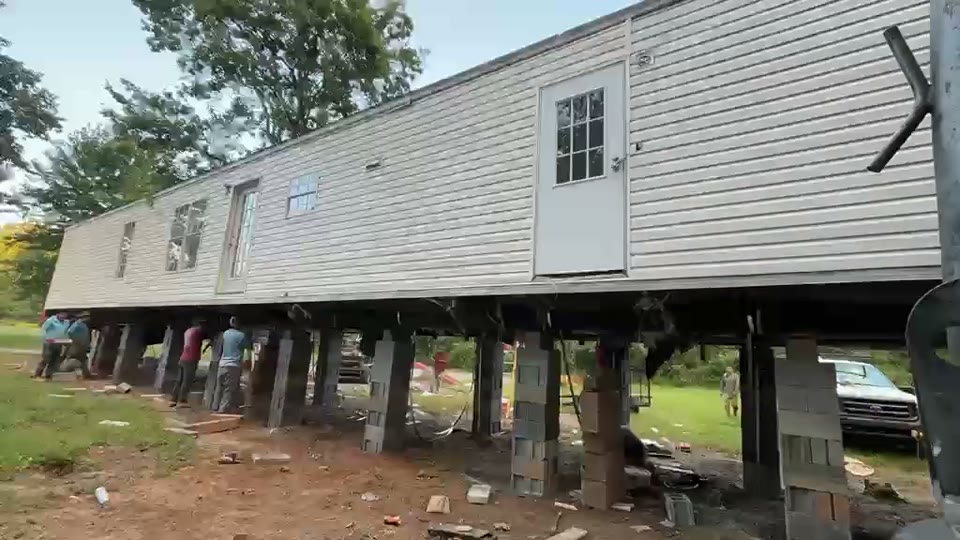
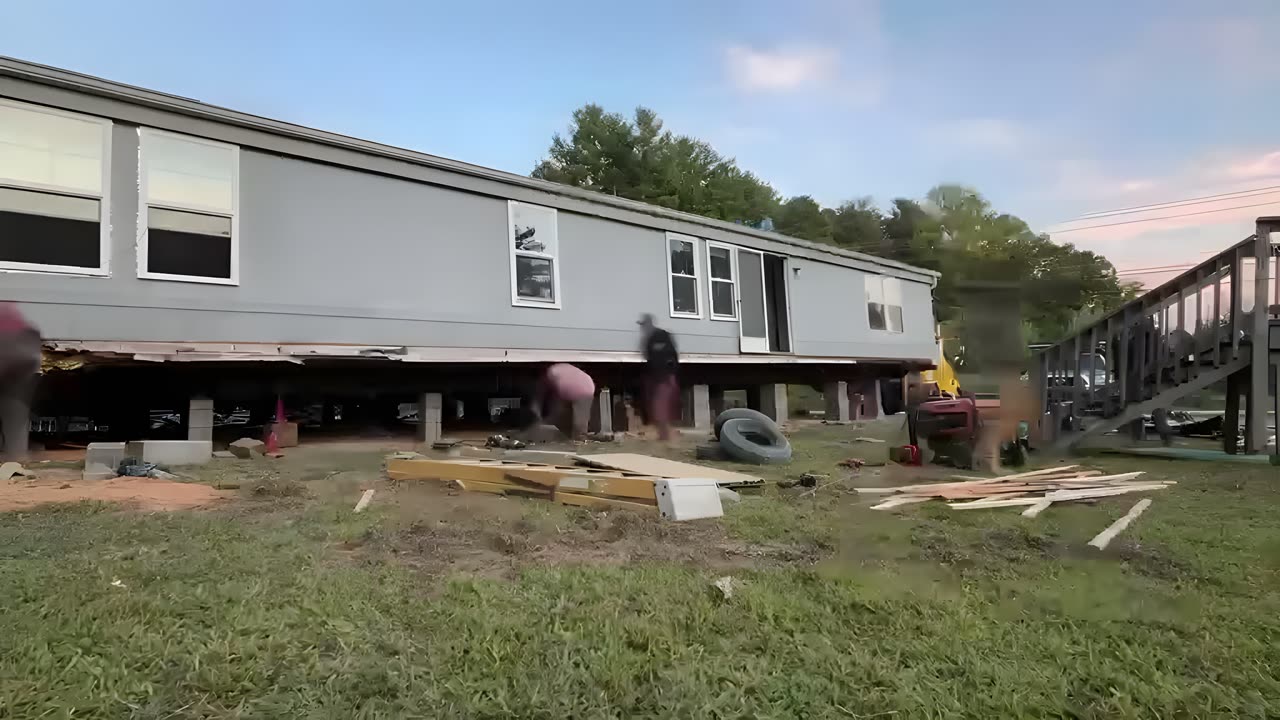
Before signing anything, two questions protect you: how many piers are actively carrying load versus sitting loose underneath the home, and what does the soil condition look like at the existing pad locations? The answers tell you whether the job is a routine shim adjustment or a replacement project that costs several times more.
Soft floors as a diagnostic: what the bounce is telling you
The most common reason Brevard homeowners start searching for floor leveling help is a floor that bounces underfoot or feels soft through a hallway or along an exterior wall. Two very different problems look identical from above and carry very different repair scopes.
The first is a pier support failure. When piers settle unevenly, the home racks out of level and the floor framing flexes because midpoints are no longer supported as the design intended. A re-level corrects this directly. The second is a structural floor problem: the OSB decking or floor joists have rotted or delaminated, usually from moisture that entered through a missing or failed vapor barrier. No amount of shimming a home with compromised joists will make the floor solid; it shifts where the softness is without addressing what caused it.
Brevard's rainfall keeps crawl space humidity elevated even between storms, which accelerates decking damage when vapor barriers fail or were never installed. A soft spot discovered after a wet hurricane season may be farther along structurally than it looks from inside the home. A contractor who quotes a re-level without first going under the home is guessing at which problem you have. Our mobile home floor leveling guide covers what to look for once you are in the crawl space and how to judge whether the fix is piers, decking, or both.
How Transylvania County's rainfall shapes the leveling cycle
Brevard is consistently among the wettest inland towns in North Carolina. The Pisgah National Forest foothills stall weather systems moving up the Davidson River corridor, and annual rainfall totals here regularly exceed the regional average. That precipitation pattern has a direct mechanical effect on mobile home piers: the clay-heavy soil covering most residential parcels in this county expands when saturated and contracts as it dries, and each cycle subtly shifts the concrete pads that pier blocks rest on.
The federal disaster record reflects what that rainfall can do when it concentrates. Transylvania County has 16 federally declared disaster events on record spanning 1993-2026, including Hurricanes in 2023 and 2021, a Tropical Storm in 2024, a Fire event in 2025, and a Winter Storm in 2026. Post-event leveling calls tend to spike after saturating storms because soil displacement that would ordinarily unfold across a full wet season gets compressed into days or weeks. NOAA National Weather Service maintains long-term precipitation records for this region; comparing your home's leveling history against wet-year cycles helps you plan the next inspection rather than being caught off guard by it.
The practical takeaway: a pier inspection every two to three years is not overcautious in Transylvania County, it is the maintenance interval that soil type and rainfall together demand. The 2021 hurricane event, followed by another in 2023, means many homes in this county have been through two major saturating cycles without a professional pier inspection. Homes that have not been assessed since then may have developed pier movement that is not yet visible from inside.
NC codes, licensing, and the permit question for your job
North Carolina regulates manufactured home installation and re-installation through the NC Manufactured Housing Board under the Office of State Fire Marshal. Setup and re-level work in Transylvania County falls under these rules, which cover both the installation standards contractors must follow and the licensing requirements for performing that work. Asking to confirm credentials under these rules before work begins is a straightforward and reasonable step, not an unreasonable burden on a qualified contractor.
Transylvania County falls in HUD Wind Zone I under 24 CFR 3280.305, which establishes the baseline wind resistance standard for manufactured homes installed here. When a significant re-level disturbs the existing tie-down anchoring system, those components must meet current HUD standards once the work is complete. The HUD Office of Manufactured Housing Programs is the authoritative source for setup and anchoring requirements. A contractor who treats anchor inspection as optional after disturbing the tie-down system is worth a second opinion before you sign off on the job.
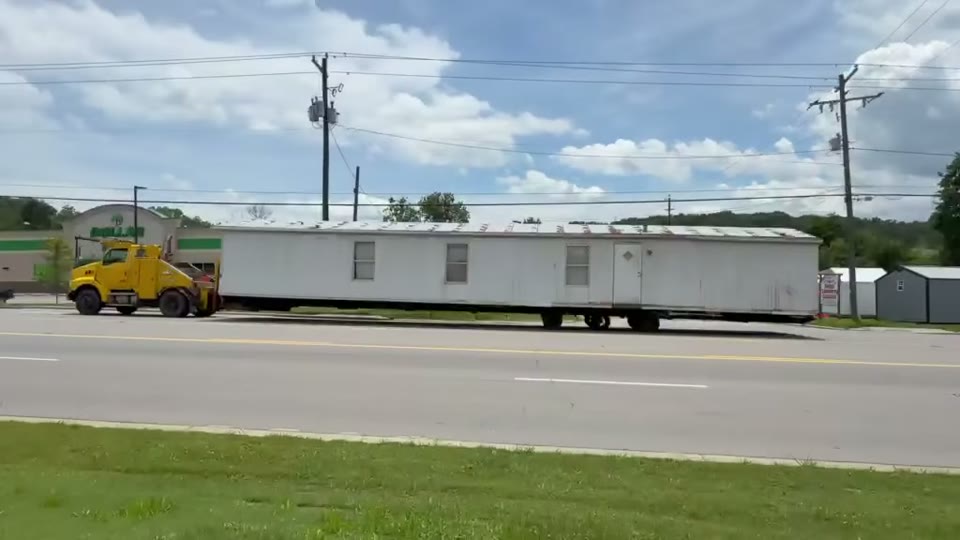
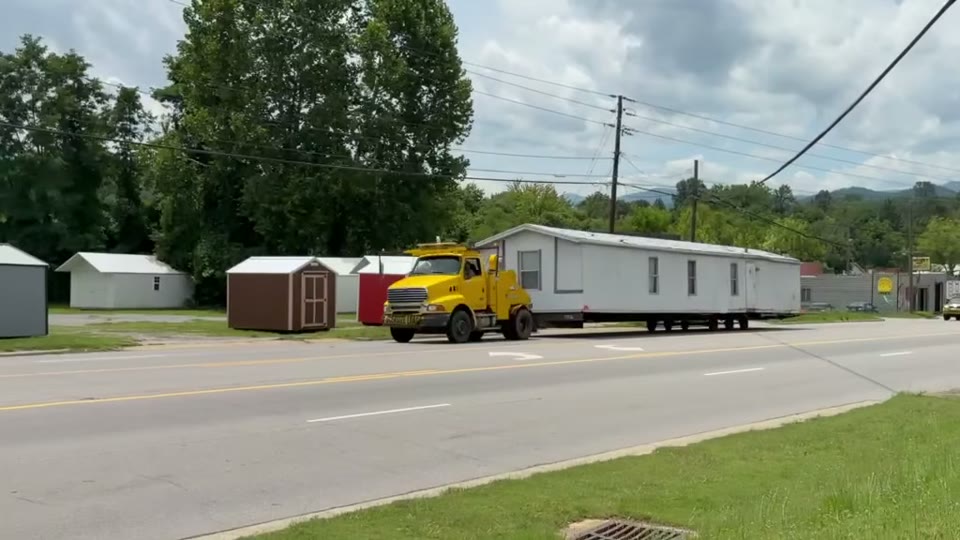
If the situation involves relocating a home to a new site rather than leveling it in place, two additional requirements apply: an oversize or overweight road permit from NCDOT under Publication MH-2, and a tax-paid moving permit required by NCGS Chapter 105, Article 18. These are prerequisites a qualified contractor will know and handle before the truck is loaded, not optional paperwork.
Three questions to ask any contractor before signing
Leveling bids in this market vary enough that the lowest number is rarely the safest one. Three specific questions separate contractors who understand Transylvania County lots from those working off a generic price sheet.
What are the piers sitting on? In the clay-heavy soil covering most residential parcels around Brevard, the bearing condition of the original pad material matters as much as whether the home is currently out of level. A re-shim on a deteriorated concrete block pad is a repair that will need repeating within a season or two. Ask whether pads will be inspected and replaced where needed, or whether the bid assumes all existing pads are still serviceable without looking at them.
Is the pricing per pier or per job? The number of piers that need shimming or replacing is not always knowable from outside the crawl space. A double-wide with 20 support points may need work on four of them; another may need half replaced. A per-pier or per-pad line item in the quote keeps change orders honest when the crew gets underneath and the actual condition of the system becomes clear.
Does the scope address vapor barrier condition? Brevard's rainfall keeps crawl spaces wetter than most of the state. A re-level that ignores vapor management may be preserving the moisture conditions that will rot the floor decking even while the settling is corrected. Ask specifically whether the crawl space will be assessed and whether vapor barrier work is included or explicitly excluded from the scope.
For a broader view of what leveling costs across North Carolina, the statewide mobile home leveling cost guide puts Brevard's range in context. When you are ready to move from estimates to a real inspection, the Brevard mobile home leveling service page covers what a site visit looks like and what to expect on the day.