Two Loads, Two Permits — How a Double-Wide Actually Travels
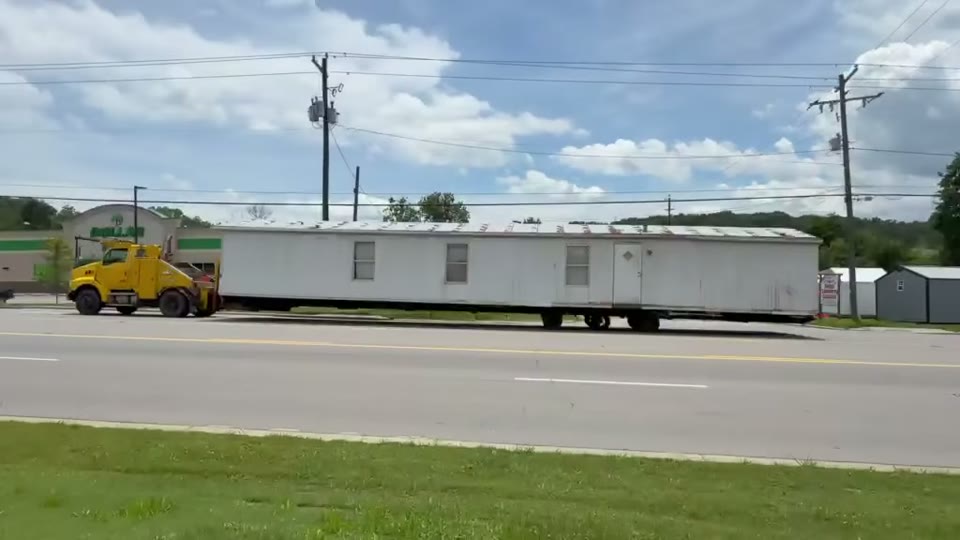
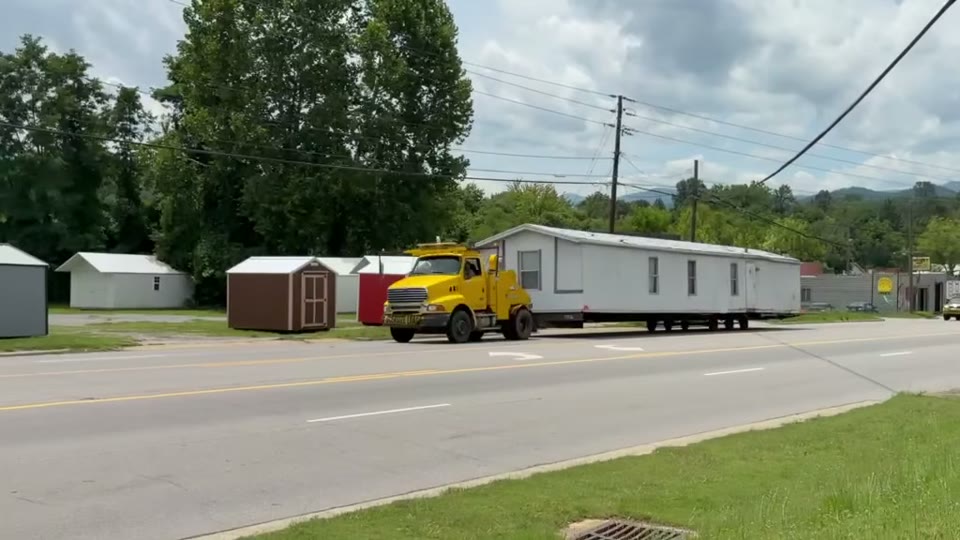
A double-wide moving through Buncombe County travels as two separate sections, each on its own flatbed, each under its own NCDOT oversize permit. The name describes the finished home's width, not the number of trips — and that distinction carries real weight in Western NC. On the Blue Ridge corridor near Asheville NC, most sections travel along I-26 or I-40 without special routing. On the secondary roads threading into Madison, Yancey, or Haywood counties, the same load can require pilot cars on both legs, utility coordination at low-clearance crossings, and a permitted route that adds miles to avoid a bridge or a no-passing curve. Every one of those complications shows up in the quote.
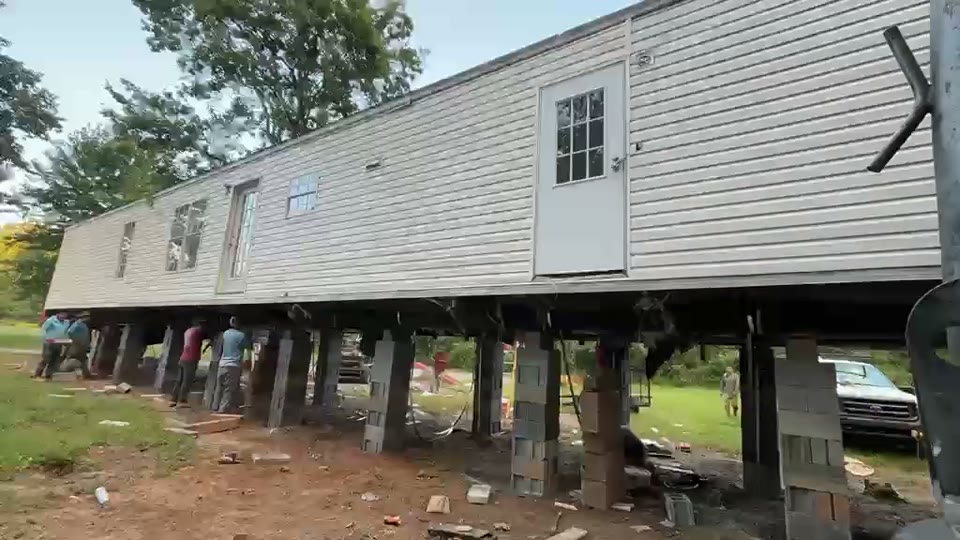
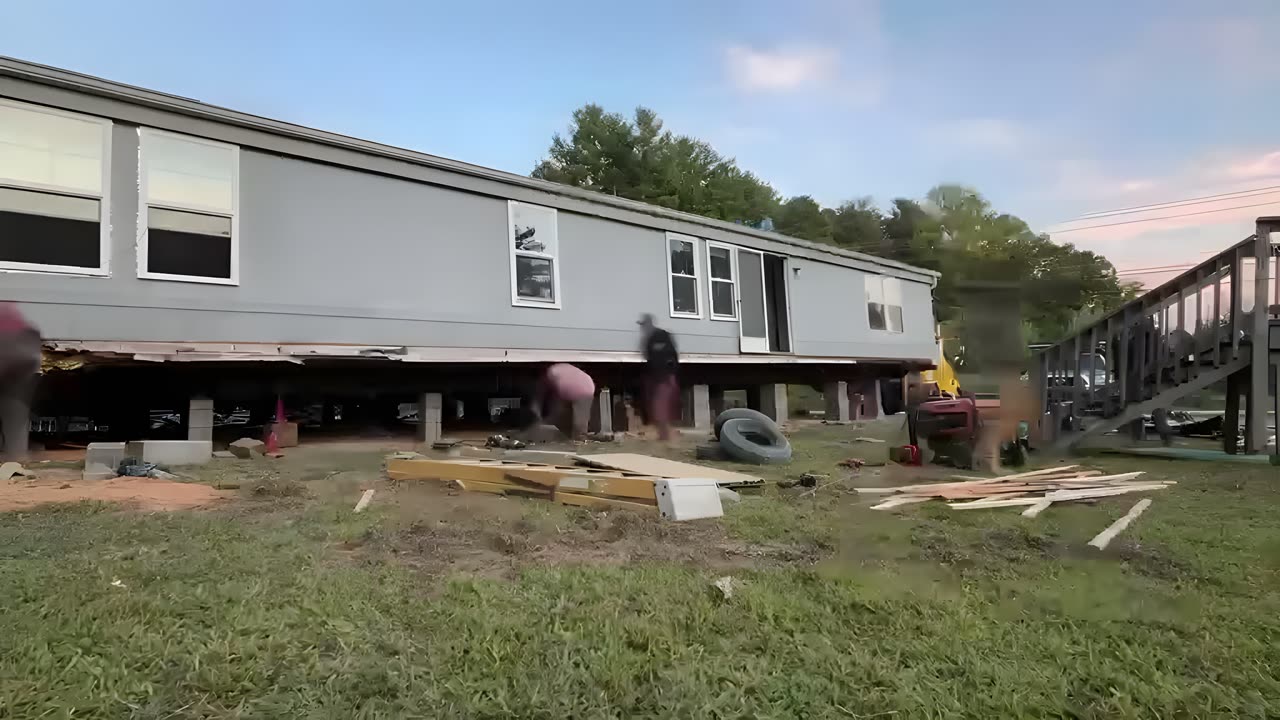
Transport-only for a two-section move within Buncombe County typically runs $7,000 to $11,000. A cross-mountain haul — from a neighboring county into Asheville NC, or from Buncombe out to a rural lot farther west — lands between $9,000 and $15,000 depending on route complexity, total distance, and how many escort legs the permit requires. Neither figure covers the site work on the receiving end: the foundation blocking, leveling, tie-down installation, and the joining of the two sections at the marriage wall. A complete move-and-setup package runs $15,000 to $25,000, and mountain terrain is usually what separates the middle of that band from the top. For the full breakdown of what setup adds on its own, see our mobile home installation cost in NC guide. If you are still choosing a transport contractor, our double-wide movers page covers what to verify before signing in this region.
What the Price Ranges Look Like in Western NC
The table below breaks the total cost into its main components. These are working ranges for the Western NC market, not quotes for a specific job. A contractor who hands you a firm number before walking the receiving lot and reviewing the permitted route is pricing on assumptions that mountain terrain does not forgive.
| Scope of work | Typical Western NC range | What drives it |
|---|---|---|
| Two-section local haul (under 25 miles, within Buncombe County) | $7,000 – $11,000 | NCDOT permit route, road width, escort count per leg |
| Two-section cross-county or mountain haul (25–100 miles) | $9,000 – $15,000 | distance, grade restrictions, additional escort legs |
| Foundation blocking and leveling | $3,000 – $6,000 | lot slope, block count, existing pad condition |
| HUD Zone I tie-down system (Buncombe County standard) | $1,500 – $3,500 | anchor density, soil type, pier count at destination |
| Complete move and setup | $15,000 – $25,000 | all factors above combined |
The two line items that most surprise first-time movers are the escort cost — which can run higher on a mountain route than on a flatland haul twice the distance — and the tie-down system, which must be fully removed at the origin and reinstalled to code at the destination every time a manufactured home changes sites, even on a short local move. A quote that buries either item inside a single combined number is worth unpacking line by line.
Mountain Routes and the Buncombe County Terrain Factor
Buncombe County has three reliable major corridors for oversized loads: I-26, I-40, and US-70. On those arteries, a standard double-wide section width clears without special routing. The challenge is not the interstate — it is the road between the interstate and the lot. A home being set on a ridge-top subdivision, a lot accessed via a narrow rural road off NC-9 or US-19, or a parcel with a steep gravel driveway introduces clearance problems that do not surface until the NCDOT permit review is complete. Low bridges, tight curves, and power-line crossing points where a utility crew must raise a wire each add a stop that adds cost.
The controlling document for every permitted manufactured home move in North Carolina is NCDOT Publication MH-2, which sets the width-and-height envelope for the load and determines which routes are available, which require escorts, and which are restricted outright. On a cross-mountain move, the permitted route can be substantially longer than the direct driving distance, and the quoted price should reflect the actual permitted corridor, not a map measurement.
Weather history matters here too. Buncombe County has seen 19 federally declared disaster events across 1973-2026, most of them driven by severe storms and flooding — including hurricanes in 2020, 2021, and 2023, a tropical storm in 2024, and a winter storm in 2026. Displacement from storm damage is one of the more common reasons a manufactured home gets moved on short notice, and an unplanned relocation under recovery pressure is the hardest environment in which to navigate a permit process for the first time. Knowing the route requirements before you need them is the version of this process that costs less.
Permits, Licensing, and the Zone I Setup Requirement
A double-wide move in North Carolina runs on two separate permit tracks, and both must be cleared before any truck rolls or any section is set.
On the transport side, each section is an oversize load and must travel under a state-issued permit that the transport contractor is responsible for pulling. The requirements are governed by NCDOT Publication MH-2. Ask your contractor for the permit number before the move date and confirm the permitted route matches the road they plan to use. A discrepancy discovered the morning of the move is how routine hauls become expensive ones.
On the setup side, North Carolina requires that manufactured homes be installed by a contractor licensed through the NC Manufactured Housing Board, administered by the NC Office of State Fire Marshal. Buncombe County's local inspection process enforces that requirement at the site, and a Buncombe County inspection sign-off is typically required before the home is occupied. A setup quote from an unlicensed installer is not just a compliance problem — it is a flag that the tie-down system may not be installed to the standard that protects the home during the next storm season.
Buncombe County sits in HUD Wind Zone I under HUD's manufactured housing standards (24 CFR 3280.305). Zone I sets the minimum anchor density and tie-down geometry for every home installed here. When a manufactured home is relocated, the original tie-down system is removed at the origin site and a new Zone I system is installed at the destination — that work, and the required inspection that follows it, are part of the setup cost. They are not optional line items and they are not the same job twice: soil conditions vary across Buncombe County, and the anchor plan for a fill lot in a mountain subdivision differs from the plan for native clay on flatter ground.
Three Practices That Protect the Final Number
A double-wide move in Western NC has more variables than a national average captures, and three practices keep the quote from drifting after you sign.
- Walk the receiving-end road before accepting a bid. Ask every contractor whether they have driven the last mile to your lot. On mountain subdivision roads that narrow below the legal permitted width, a contractor who has not driven the access route is quoting a move they may not be able to complete without an unplanned workaround on the day. How they answer that question tells you as much as the number does.
- Request transport and setup as separate line items. A single bundled price makes it impossible to compare competing bids or identify where a change order is inflating the total. Per-section haul cost, escort fees, NCDOT permit fees, foundation blocking, and tie-down installation should each appear as discrete lines. If a contractor cannot separate them, ask why.
- Confirm the tie-down plan is specific to your lot's soil. A licensed installer can produce the Zone I anchor plan for your specific site conditions. One who defaults to a generic spec without reviewing the soil is guessing at a detail that a Buncombe County inspection will not overlook.
For a broader view of what manufactured home moves involve across this part of the state, the guide to mobile home moving in Western NC covers the full process from permit to final walkthrough.