What 'free' actually signals in Buncombe County
Mobile homes on Buncombe County land are listed at no cost for one of two reasons: the owner is genuinely done with the property and wants the structure gone, or they need an exit from a demolition bill and have found a way to make it someone else's problem. A 1980s single-wide offered at no cost on a ridge lot outside Weaverville may be a legitimate deal — or it may have sat through several mountain winters with a failed roof and a compromised frame. The first question to ask is not how much the move costs. It is why the owner is not charging anything.
Free mobile homes must be moved on the owner's timeline, which means you are evaluating condition and committing to a budget at the same time. The homes worth taking are the ones where the structure — frame, floor system, and roof line — is intact enough to survive a haul across mountain terrain. The ones worth skipping are the ones where the frame is already losing before a transporter touches it.
The full cost picture before you commit
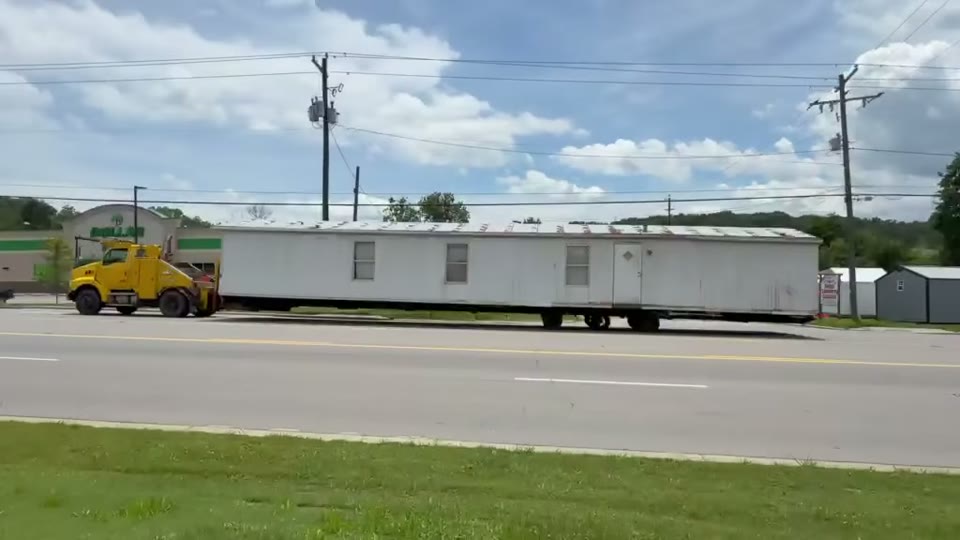
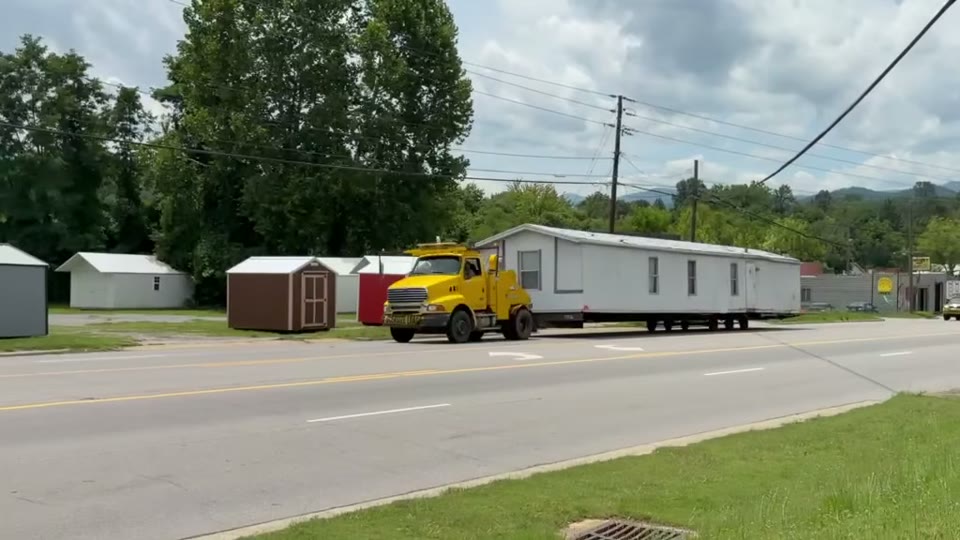
Moving and setting up a home in Buncombe County involves four cost layers: transport, site setup, permits, and post-move repairs. The first two are unavoidable on every move. Typical move costs in this region run $3,000 to $8,000 for a single-wide; setup adds $1,500 to $3,000. Buncombe County's mountain terrain — narrow rural roads, steep grades, and ridge-access routes between many properties — pushes most local moves toward the middle or upper end of that transport range.
| Scope | Typical Range |
|---|---|
| Single-wide move, short haul, accessible route | $3,000 – $5,000 |
| Single-wide move, mountain grades or long haul | $5,500 – $8,000 |
| Setup and blocking, level prepared site | $1,500 – $2,200 |
| Setup and blocking, sloped site or masonry piers | $2,200 – $3,000 |
Pilot car requirements, route surveys on narrow mountain roads, and county setup inspections are line items that flat-county bids rarely carry. Treat any quote that omits them as incomplete rather than cheap.
What to look for before you agree to take it
A walk-through takes thirty minutes and tells you most of what you need to know. Start with the floors: soft spots near the bathroom, kitchen, or perimeter walls are the clearest sign of moisture infiltration. Floor rot that extends past isolated boards means the joists below have been wet, and joist repair after a move adds cost quickly. Step outside and look at the roof line: a sag at the ridge or a belly between trusses means structural loading has redistributed in ways the frame was not designed to carry.
Check the axles and hitch. A home that has not moved in a decade may have seized or rusted axles — a transporter can work around this, but it adds time and cost to the job. Open every exterior door and window; a door that binds in its frame can signal racking from load-bearing wall movement rather than simple settling. These are checks any homeowner can make before calling a crew. If two or more of these problems appear on the same home, run the removal numbers alongside the move numbers before you commit. The guide to buying a used mobile home to move in NC has the full condition checklist.
Permits and NC requirements every move must clear
Every over-the-road manufactured home move in North Carolina requires an oversize transport permit from NCDOT under Publication MH-2. That permit governs route approval, pilot car requirements, and the time-of-day restrictions that apply on mountain passes — including the grades that cross-cut Buncombe County between many origin and destination properties. The transporter pulls this permit; as the receiving owner, confirm it exists before the home rolls.
North Carolina also requires a tax-paid moving permit under NCGS Chapter 105, Article 18 any time a manufactured home changes location. This is the county tax mechanism for ensuring no back property taxes are owed before the home leaves. A free home that has sat on a rural Buncombe parcel for years may carry tax liability that transfers with ownership — verify that status before you accept the title.
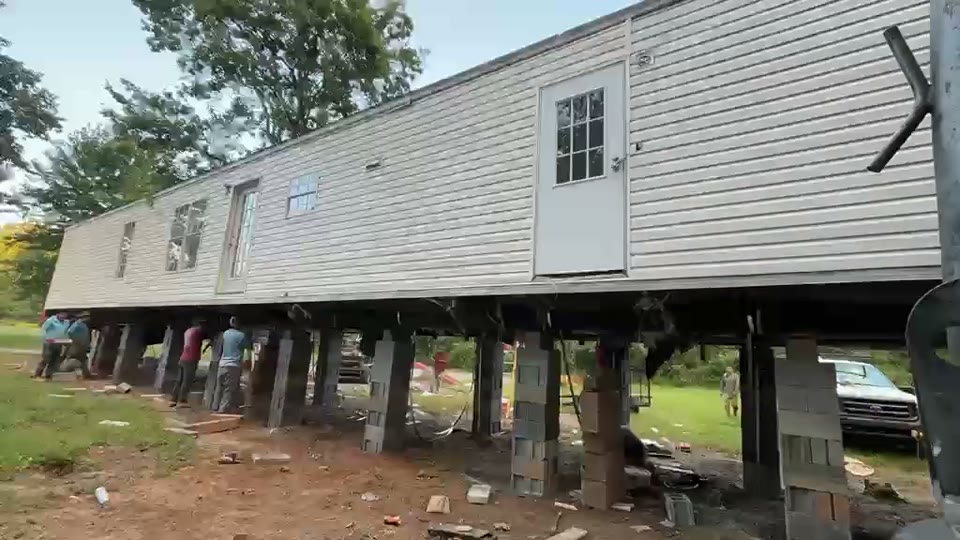
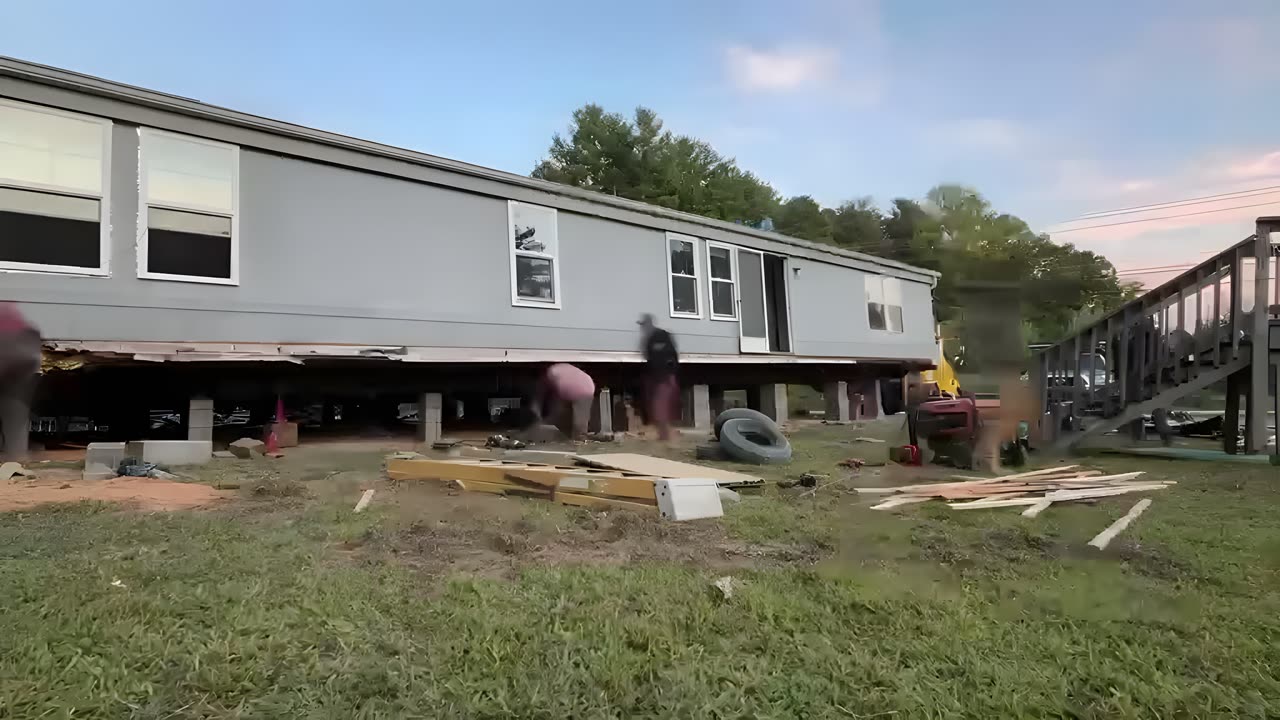
Once the home arrives, installation must meet the standards administered by the NC Manufactured Housing Board, including blocking, tie-downs, and utility connections. The local building department issues the setup permit and an inspector signs off on the finished installation.
Why site preparation matters more on mountain land
Buncombe County has recorded 19 federally declared disasters spanning 1973-2026, with storm events including hurricanes in 2020, 2021, and 2023, a tropical storm in 2024, and a winter storm in 2026. A home placed on a Buncombe ridge or hollow will face mountain-amplified wind and water in ways that flatland installations rarely do. That is why the county's HUD wind zone designation is Zone I under 24 CFR 3280.305 — and why tie-down compliance at setup is a legal requirement, not an upgrade.
The site itself matters as much as the home's condition. Correct grade, a compacted base, and proper drainage around the foundation perimeter protect the blocking and frame through the kinds of weather events Buncombe County's record makes predictable. A poorly prepared site can compromise a structurally sound home inside two mountain winters of freeze-thaw cycles and heavy runoff.
When the listing is a removal job in disguise
Not every free listing is what it appears. Some owners are advertising a problem they need solved at your expense. The clearest warning signs: a move deadline of fewer than thirty days with no flexibility, a home vacant for five or more years, structural damage described as minor without specifics, and listings where the owner asks you to cover only the haul with no help on prep. A home in that condition may belong in the removal column entirely — mobile home demolition and removal covers that cost picture and helps you compare.
A free home is worth the effort when the structure is sound, your land is permit-ready, and the combined move-and-setup cost fits your total budget for a finished result. The Asheville NC mountain market has enough legitimate free listings — from estates settling land, from owners relocating, from landowners clearing a parcel before sale — that walking away from a bad one is the right call, and finding a good one is a real possibility.