South Buncombe valley ground and what it means for site prep
The I-26 and US-25 (Hendersonville Road) corridor through Arden follows the south Buncombe County valley floor, a stretch of land that runs from the French Broad watershed toward Asheville Regional Airport. Most lots here are flatter than the steep ridge properties north of the city, which simplifies mobile home site prep considerably: less cut-and-fill, more predictable drainage paths, and subsoil that tends toward clay rather than rock. That clay, however, moves with seasonal moisture, and south Buncombe carries a documented storm history — 19 federal disaster declarations across 1973-2026, including Hurricane (2020), Hurricane (2021), Hurricane (2023), Tropical Storm (2024), and Winter Storm (2026) — that has saturated these valley soils more than once.
The questions that shape a mobile home foundation job in this corridor are consistent across lot types: how much grading is needed to establish a level pad, which footer system suits the soil and drainage conditions, and whether the finished grade will reliably move water away from the home across wet seasons. Getting all three right before concrete goes in is cheaper than correcting any one of them after setup.
If you are researching a dirt pad for a mobile home in Arden, that guide walks through what a graded-earth pad includes and when it is the right scope for south Buncombe lots. The grading and footers guide covers how earthwork and concrete interact across different site conditions.
Footer types, runners, and slabs: scope and cost
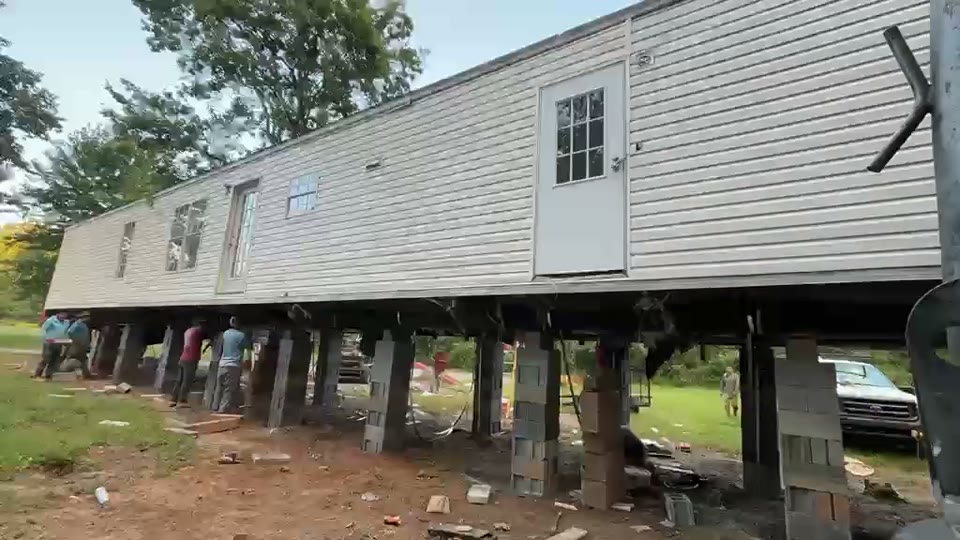
Three foundation systems handle most of the manufactured housing work done in Arden and surrounding south Buncombe County. Concrete footers — poured piers or block piers set on concrete bearing pads — support the home's steel chassis at specified spacing points and are the most common choice on lots with stable subsoil and adequate drainage. Concrete runners are continuous strips of poured concrete running the full length of the home; they distribute load over a longer footprint and suit wetter or softer ground. A full concrete slab is the premium option: it seals out ground moisture, creates a clean surface for skirting, and is often required when a lender specifies permanent foundation classification.
| Scope | Typical Market Range |
|---|---|
| Graded dirt pad only | $2,000 – $3,500 |
| Graded pad + concrete footers or block piers | $3,000 – $6,000 |
| Graded pad + full concrete runners | $5,000 – $8,000 |
| Full concrete slab (double-wide) | $10,000 – $15,000 |
Ranges reflect typical market conditions for south Buncombe County lots. Final cost varies with lot size, soil conditions, required drainage scope, and current materials pricing.
Grading and drainage: the work that comes before concrete
A lot that looks level from the road is rarely level enough for a manufactured home pad without deliberate grading work. Standard practice — consistent with NC Building Code Council guidance — calls for a minimum 6-inch drop across the first 10 feet from the home's perimeter, with swales or grade breaks directing runoff to a defined outlet. On lots along the US-25 commercial corridor near Arden, that outlet may connect to existing drainage infrastructure, which can require coordination before any earthwork begins.
Frost depth in south Buncombe County is relatively shallow compared to the county's higher-elevation communities — the valley location of the Arden area is an advantage here — but footers still need to bear on undisturbed soil below the seasonal moisture zone. Cutting corners on footer depth to reduce excavation time is a common source of future movement problems. The grading and drainage work done before concrete goes in determines how the entire system performs across seasons.
The permit stack at 35 Woodfin St. in Asheville NC
Buncombe County Permits and Inspections, at 35 Woodfin St. in Asheville NC, issues the manufactured housing set-up permit. The application requires utility documentation: a utility letter or meter receipt if the property connects to water and sewer, or a county well authorization combined with either MSD approval or a county septic authorization for properties on private systems. Pulling the permit before site work is fully complete is routine — the inspection happens after setup — but the utility documents must be in hand at the time of application.
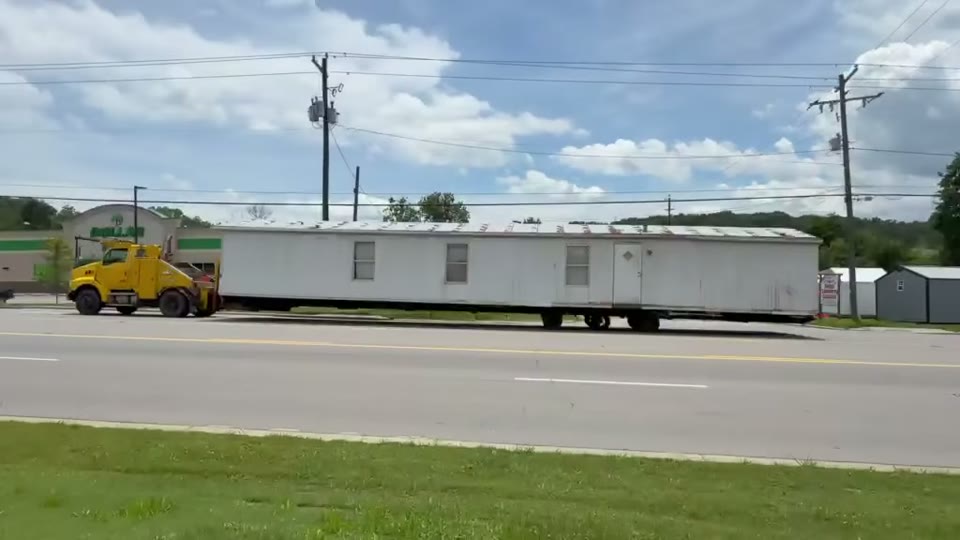
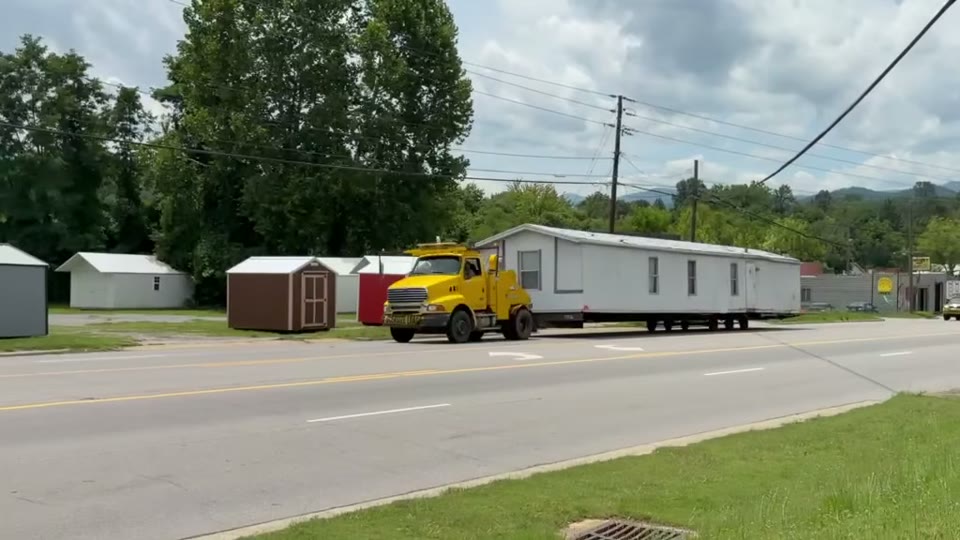
Two additional permits govern the move itself. NCGS Chapter 105, Article 18 requires a tax-paid moving permit before any manufactured home is transported on NC roads. The transport permit from NCDOT, covered under Publication MH-2, handles the oversize and overweight classification that applies to most manufactured home moves.
Arden is unincorporated Buncombe County, so county permitting applies here. Properties inside Asheville NC city limits or Black Mountain town limits go through those municipalities' building departments instead. The installer of record must hold a license issued under the NC Manufactured Housing Board (NC Office of State Fire Marshal), a statewide requirement regardless of county.
Anchoring, tie-downs, and Wind Zone I
Buncombe County is classified as HUD Wind Zone I under 24 CFR 3280.305. Wind Zone I is the baseline classification — it does not carry the enhanced strap-and-anchor requirements of coastal wind zones, but it does require a compliant anchoring system sized for the specific home's dimensions and configuration. The HUD Office of Manufactured Housing Programs sets the federal performance standard; the NC Manufactured Housing Board carries those requirements into state licensing and inspection rules.
Tie-down spacing and anchor type are specified in the home's installation manual, which travels with every HUD-code home from the factory. That manual is the controlling document for Wind Zone I anchor requirements; the licensed installer is responsible for following it and for the inspection record that documents compliance.
Sequencing pad work so delivery does not wait
The most common delay on south Buncombe County mobile home projects is a timing mismatch: the home is scheduled for delivery before the site is ready to receive it. Getting the sequence right requires knowing what each step needs from the one before it.
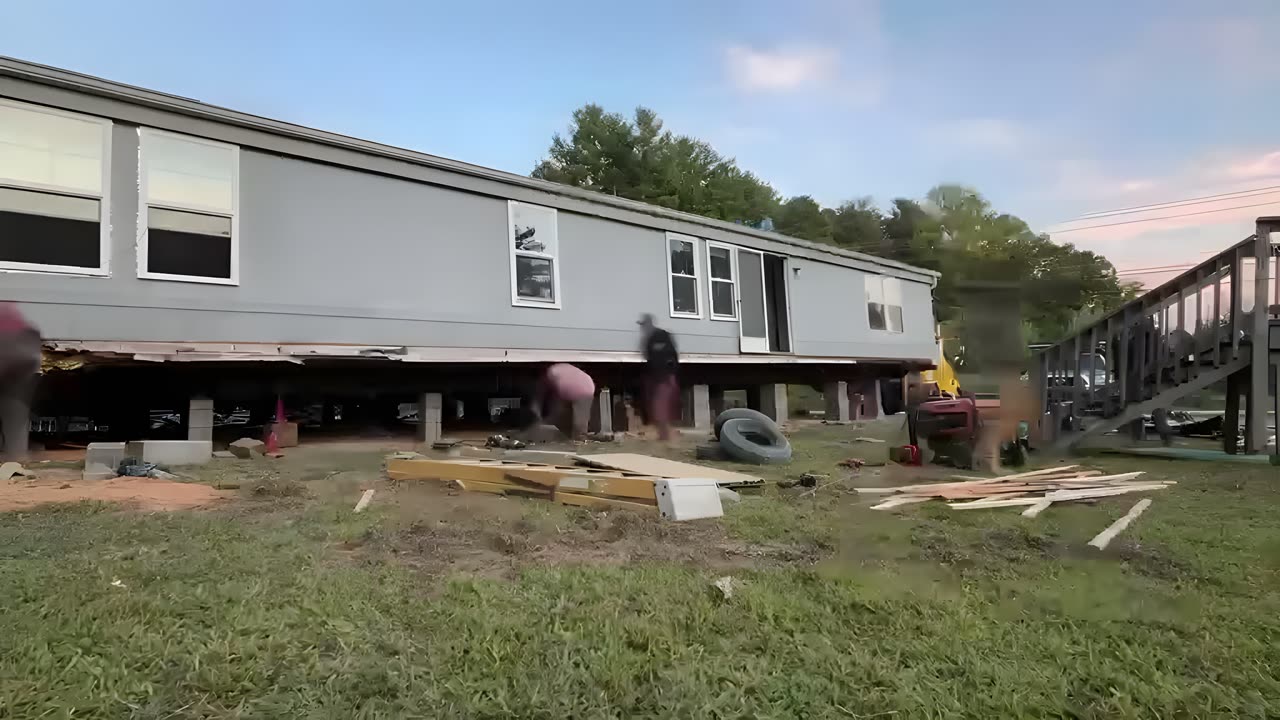
The permit application can be submitted while grading is underway, but utility documentation needs to be complete or actively in process. Grading and drainage work should be settled — not fresh-moved earth — before concrete is poured. Footer and runner concrete needs adequate curing time before any load is applied. Pulling the permit early rather than at the last minute before delivery makes the county inspection schedule easier to manage.
The site prep decisions — which footer system, where drainage runs, how much fill to bring in or remove — are best locked in before any equipment arrives on the lot. The mobile home installation in Arden NC page covers what comes after the pad is set: utility connections, skirting, and the final inspection that closes out the permit.