What Henderson County homeowners actually pay
Henderson County is apple-orchard and river-valley country set against the Blue Ridge escarpment, and mobile home removal here reflects that mix of flat subdivision lots near Hendersonville NC, narrow rural drives through Flat Rock and Horse Shoe, and hillside parcels out toward Mills River and the national forest edge. The same square footage can mean very different jobs depending on road access, grade, and how the home was originally sited.
| Scope of work | Typical Henderson County range | What drives it |
|---|---|---|
| Demolition in place, single-wide | $3,000 – $5,500 | Site access, debris volume, hazmat assessment if pre-1978 |
| Demolition in place, double-wide | $6,000 – $12,000 | Same factors, doubled footprint and additional hauling runs |
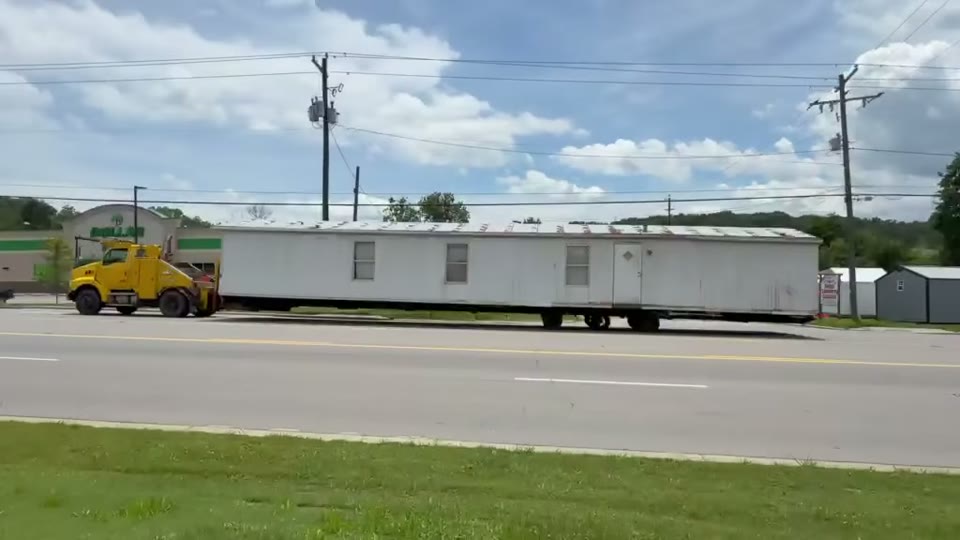
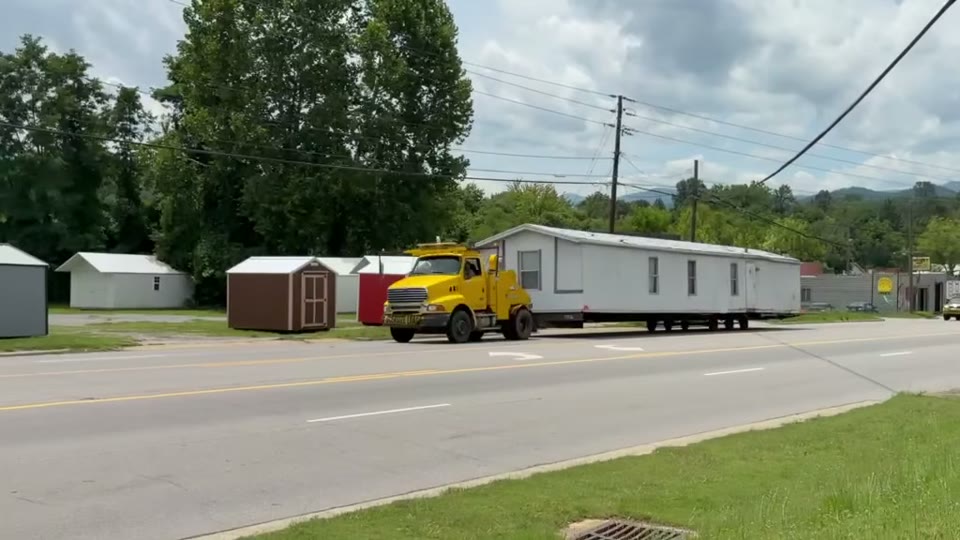
| Intact relocation, single-wide | $3,500 – $7,000 | Distance, NCDOT oversize permit, road clearance on route |
| Intact relocation, double-wide | $7,500 – $15,000 | Pilot car requirements, axle configuration, route constraints |
These are realistic market ranges, not bids. Any contractor quoting a firm total over the phone without a site visit is estimating from assumption. Henderson County has enough variation in lot conditions that a walkthrough before signing is worth requesting.
Access and condition: the two variables that move this number
Two factors separate a straightforward Henderson County removal from a costly one: how easily a full transport rig can reach the home, and what condition the home is actually in. A double-wide sitting fifty feet from a state road on a level approach is a different logistical problem than the same unit behind a low-clearance power line crossing at the end of three hundred feet of gravel. Pilot cars, rerouting around low bridges, and repositioning equipment on a tight slope all add to the final price in ways that only appear after a site visit.
Henderson County's secondary road network adds a layer to the access question that does not show up in urban removal work. Many parcels in the Edneyville, Dana, and Etowah communities sit off roads that were not designed for oversize loads. Overhead utility crossings, bridge weight limits, and sharp bends at orchard property lines all show up as route constraints. Getting a copy of the planned transport route before work begins, and confirming it against current road conditions, is reasonable due diligence for any out-of-the-way Henderson County site.
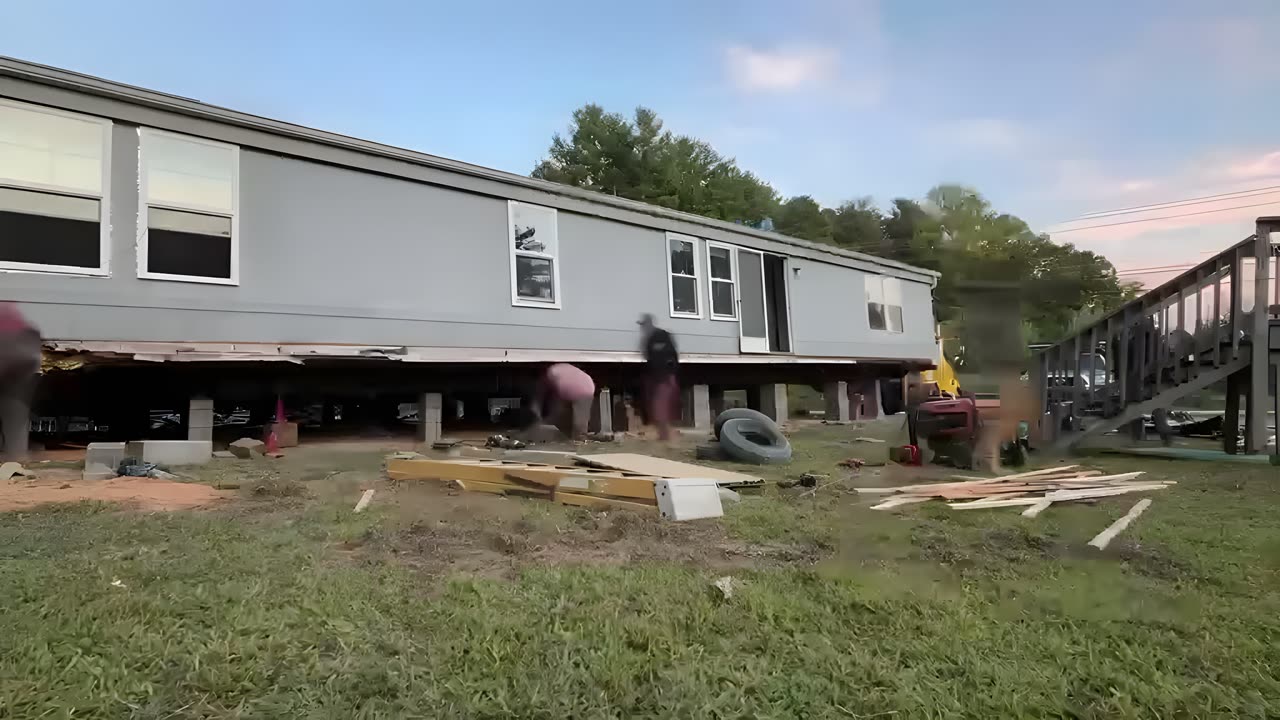
Demolition versus relocation is the other cost decision. Moving a home intact typically costs less than demolishing it in place when the unit still has useful life and the running gear is serviceable. When the structure is deteriorated or the home predates 1978, demolition is usually the realistic path, and hazardous materials enter the picture. Manufactured homes built before 1978 may contain asbestos in floor tile adhesive, roof coatings, or exterior siding. The U.S. Environmental Protection Agency sets the standards for testing and disposal before any demolition crew proceeds. Any removal bid on an older home that does not address this question is not pricing the full job.
What repeated storm cycles leave behind
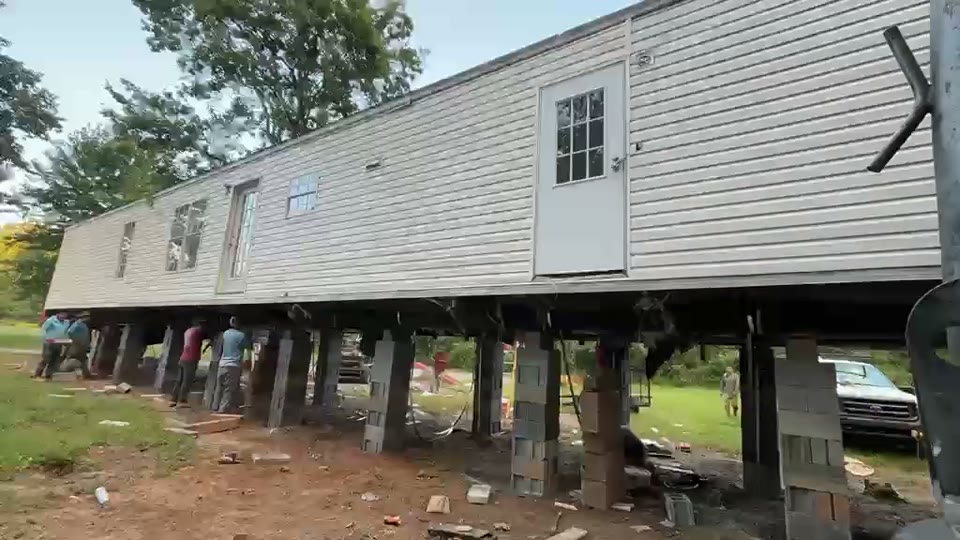
Henderson County has seen 16 federally declared disaster events over 1978-2026, including hurricanes in 2019, 2020, and 2023, a tropical storm in 2024, and a winter storm in 2026. That frequency matters for removal work because repeated wind-load and flood events degrade the hardware that keeps manufactured homes in place. Tie-down straps lose their rated capacity. Pier blocks shift when the soil underneath saturates and dries repeatedly. Anchor rods corrode in ways that are not visible from a driveway inspection.
Henderson County falls in HUD Wind Zone I under 24 CFR 3280.305, the baseline classification under the HUD Office of Manufactured Housing Programs for manufactured housing construction and anchoring standards. Zone I homes were built to minimum anchor specifications, not the reinforced standards required in higher-wind zones. After multiple hurricane cycles, those anchors deserve a close inspection before any lift or tow begins. When a crew disconnects and lifts an older home, the frame and chassis absorb substantial stress; compromised anchors that are not identified before the lift can turn a routine removal into a structural incident on-site. The NOAA National Weather Service maintains storm event records for western North Carolina that put Henderson County's federal disaster history in its regional context.
Permits this job actually requires in Henderson County
Removing a mobile home in Henderson County involves three permit layers, all of which an experienced crew should handle as a matter of course. Knowing what to expect keeps a job from stalling mid-process when a missing document surfaces.
- NCDOT oversize/overweight permit. Any manufactured home moved intact on North Carolina roads requires an oversize permit under NCDOT Publication MH-2. The permit governs approved routes, travel windows, and pilot car requirements. Secondary roads in Henderson County, especially near the Pisgah National Forest corridors, can impose route restrictions that add miles and cost to the job.
- Tax-paid moving permit. Under NCGS Chapter 105, Article 18, a manufactured home being moved must carry proof that its property taxes are current at the time of transport. Henderson County Tax Administration issues this clearance. Moving without it creates a title encumbrance that follows the unit to the receiving property.
- NC Manufactured Housing Board license. Contractors who move, set up, or demolish manufactured homes in North Carolina must hold a current license from the NC Manufactured Housing Board under the Office of State Fire Marshal. The license database is public and searchable — verify it before signing a contract.
A detailed walkthrough of the Henderson County permit process, including what the tax clearance and NCDOT application look like in practice, is at the Henderson County mobile home permits guide.
Questions to ask before the job starts
Henderson County removal work has enough site variation that vague bids and missing paperwork are both common. These four questions help separate a well-run job from one that delivers surprises at billing time:
- Demolition or relocation, and why? Ask what the contractor recommends for your specific home and what that recommendation is based on. A blanket answer that does not account for the home's age, condition, or destination distance deserves a follow-up.
- What permits are you pulling, and can I see confirmation before work starts? The NCDOT transport permit, the tax-paid clearance, and a current MHB license should all be verified before the crew arrives. A contractor who treats permit paperwork as optional is moving without it.
- How do you handle pre-1978 hazardous materials? Any honest bid on an older home accounts for assessment and, if materials are found, the abatement cost before demolition. A bid that skips this step is priced below the full cost of the job.
- What does a per-component breakdown look like? If unexpected anchor removal or additional site clearing comes up after work has begun, a line-item breakdown lets you evaluate any change order against something concrete.
For the full statewide picture of what ranges look like across North Carolina, the NC mobile home removal cost guide covers the regional context. When you are ready to talk specifics for a Henderson County property, the Hendersonville mobile home removal service page walks through the process from first contact to cleared lot.