What homeowners across NC actually pay to move a mobile home
Ridgeline lots and winding secondary roads are facts of life in Buncombe County, and they show up in mobile home moving quotes before the hauler ever measures the home. The terrain around Asheville NC compresses distances on a map while stretching them on a route — and that gap between map miles and road miles is one of the first places a Piedmont-based price estimate falls apart when applied to a mountain move.
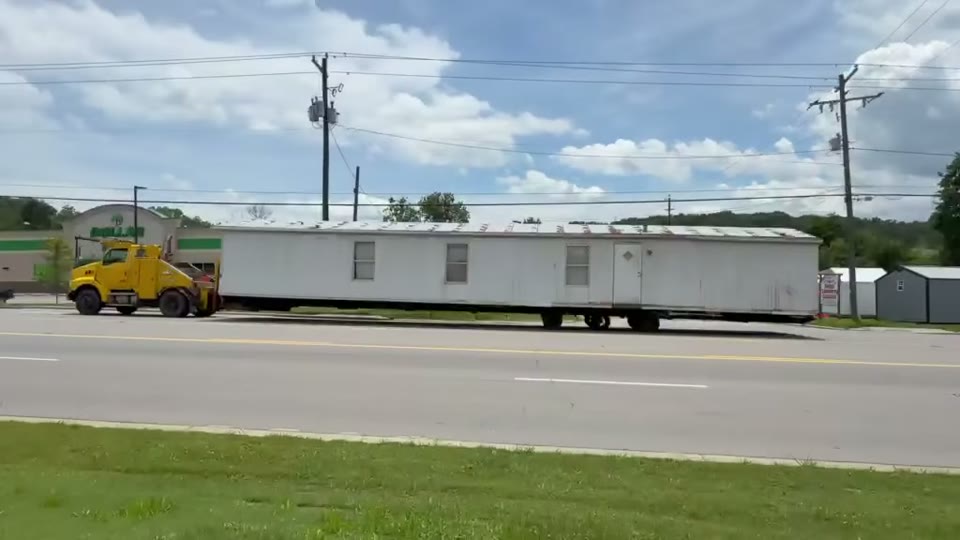
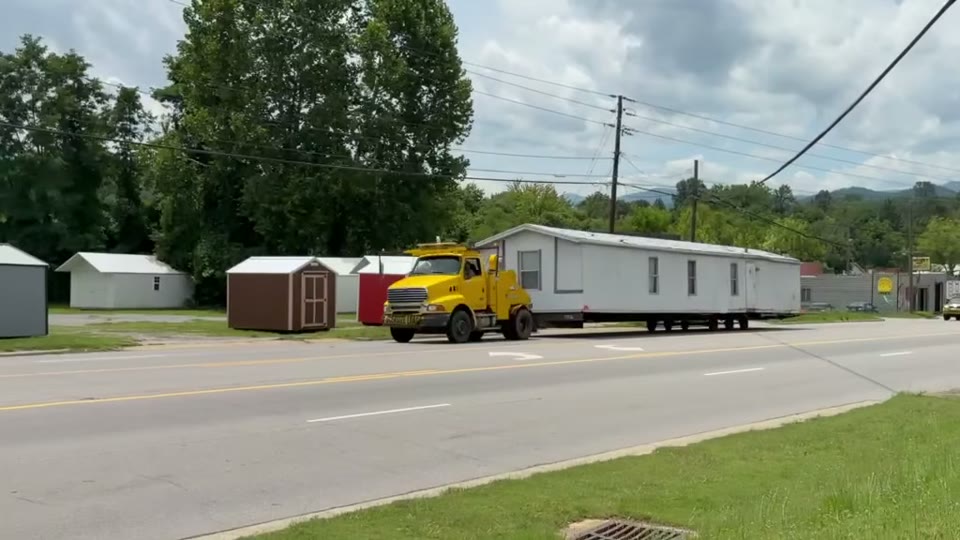
The most important distinction in any moving quote is transport-only versus moved-and-set. Transport-only covers disconnection, loading, hauling, and delivery to the new site. Moved-and-set adds blocking, leveling, anchoring, and utility reconnection at the destination — the full scope that makes the home livable again. Many homeowners receive an initial haul-only bid, then discover a separate setup bill after the truck has left.
| Scope of work | Typical NC range | What drives it |
|---|---|---|
| Single-wide, transport only | $3,000 – $8,000 | Distance, road access, NCDOT permit complexity |
| Double-wide, transport only | $7,000 – $15,000 | Wide-load permits, escort vehicles, section handling |
| Single-wide, transport and full setup | $5,000 – $12,000 | Blocking, leveling, anchoring, utility reconnects |
| Double-wide, transport and full setup | $15,000 – $25,000 | Engineering, HUD-compliant anchoring, inspections |
These are working market ranges, not quotes. A mover who gives a firm number before walking the origin lot, surveying the destination site, and mapping the actual route is estimating with your money. For a closer look at single-wide jobs in this region, see our single-wide moving cost guide; the double-wide moving cost page covers the added permit and escort requirements for wider loads.
Why the mountains add to every line on the estimate
A move that looks short on a map can be long on the road in Buncombe County. Secondary roads connecting communities like Barnardsville, Sandy Mush, and the Swannanoa Valley involve switchbacks, low overhead clearances, and bridges rated below the gross vehicle weight of a loaded hauler — all of which force longer routing. Moving contractors quote road miles, not air miles, so a ten-mile move in the mountains routinely bills like fifteen or eighteen miles of flat-county work.
Width is the second variable. A single-wide manufactured home runs 14 to 16 feet across on the chassis; a double-wide reaches 24 to 28 feet once the sections are joined. Both trigger the state's oversized load requirements, and the narrower county roads above Asheville NC can require a route survey before a permit application is even filed. Escort vehicle requirements — which depend on route geometry and load dimensions — add both cost and scheduling lead time that flatland moves rarely need.
Weather adds a layer that contractors in flatter counties rarely factor in. Buncombe County has recorded 19 federally declared disaster events over 1973-2026, a pattern that reflects how often mountain storms close roads, soften lots, and delay setup windows. A mover who schedules your job without discussing road conditions and weather windows between November and March is not quoting for this county.
For a broader view of how terrain shapes the full scope of a job here, see our Western NC mobile home moving guide.
Permits and paperwork NC requires before the truck rolls
Three permit layers typically apply to a mobile home move anywhere in North Carolina. None are optional, and a contractor who treats any of them as after-the-fact paperwork is putting the homeowner on the hook for the consequences.
NCDOT oversized load permit. The North Carolina Department of Transportation requires a permit for any mobile home transported on public roads as an oversized load. NCDOT Publication MH-2 governs mobile and modular home moves specifically, detailing routing, escort, and notification requirements. The permit is per-move and per-route — a route change can require a new one.
Tax-paid moving permit. Under NCGS Chapter 105, Article 18, North Carolina requires a tax-paid permit before a manufactured home can be moved from its current location. This confirms that property taxes on the home are current and is obtained through the county tax office where the home currently sits.
Contractor licensing. Contractors who move and set manufactured homes in North Carolina must hold the appropriate license through the NC Manufactured Housing Board, administered by the NC Office of State Fire Marshal. Ask to see the license before signing any contract. The requirement exists because a manufactured home is a regulated structure under both state and federal code — unlicensed work can void insurance and create title problems at resale.
Reading a mobile home moving quote line by line
Two quotes for the same job can differ by thousands of dollars without either mover being dishonest — they are often pricing different scopes. The only reliable way to compare bids is to ask for a line-by-line breakdown. A complete transport-and-set quote in Buncombe County should account for each of the following:
- Haul fee. The transport charge for the structure itself, typically the largest single item. It should reflect actual road miles on the mapped route, not straight-line distance, and account for any routing restrictions that add time or mileage.
- NCDOT permit fees. Fixed state fees for the oversized load permit under Publication MH-2. These are non-negotiable, but they should appear as a named line so you can confirm the mover is actually pulling the permit before the truck moves.
- Escort or pilot vehicles. Required on routes where load width or clearances demand it. The number of required escorts, and whether they are in-house or subcontracted, affects both price and scheduling.
- Disconnect at origin. Utility disconnections — electric, water, sewer or septic — plus removal of blocking and the existing tie-down system. Sometimes quoted by a subcontractor separately from the haul fee.
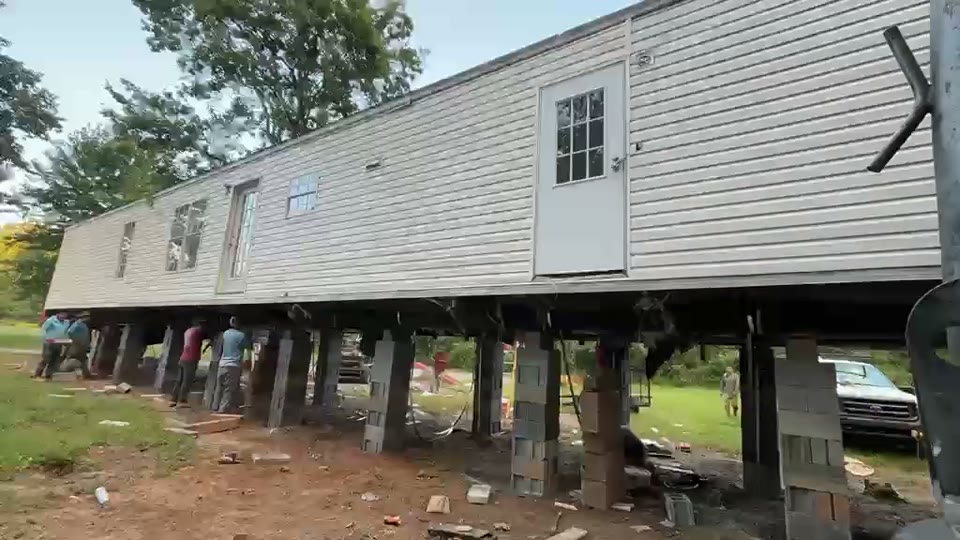
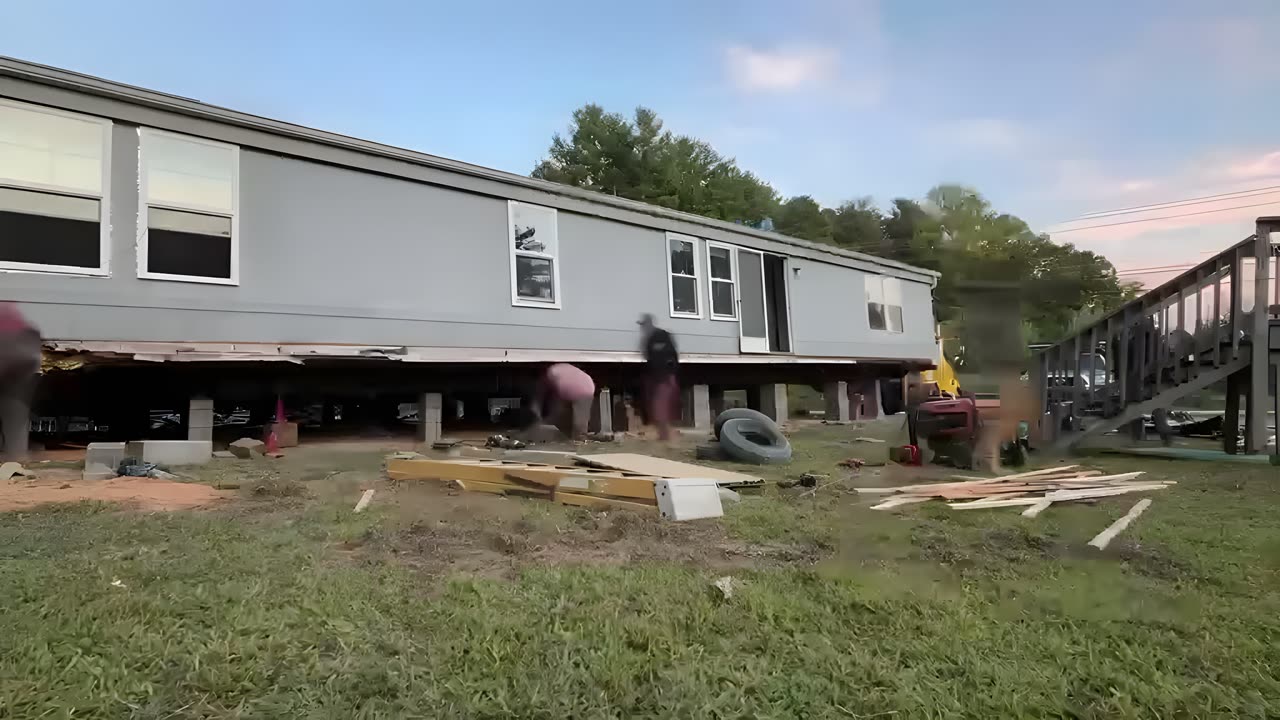
- Setup at destination. Blocking, leveling, and any underpinning or foundation work at the new site. Uneven terrain on a Buncombe County lot adds labor time and materials here compared to a flat site.
- Anchoring and tie-down system. Required under state and federal code at the destination; see the following section for the specific standard that applies in this county.
- Utility reconnect. Water, sewer, and electrical reconnection at the new site. Often a licensed subcontractor billed separately; clarify up front whether this cost is inside or outside the mover's quote.
A quote that does not break out these items is one you cannot fairly compare with another. Get the itemized list in writing before any contract is signed.
Setup at the new site: code requirements and why they carry more weight here
The haul fee is what most people negotiate first. The setup cost is what determines whether the home is safe a year later — and in Buncombe County, those two conversations are inseparable from a compliance standpoint.
Buncombe County falls in HUD Wind Zone I under 24 CFR 3280.305, the federal standard governing manufactured housing installation. Wind Zone I is the base tier for anchor and tie-down requirements — but base tier and adequate are not always the same in a mountain county. Five federally declared disaster events in recent years — Hurricanes in 2023, 2021, and 2020, a Tropical Storm in 2024, and a Winter Storm in 2026 — document the storm exposure the Asheville NC area carries. A properly anchored installation stands through those events; an undersized one is where the claim dispute starts and where a state inspection failure costs the most to fix.
The HUD Office of Manufactured Housing Programs publishes the installation standards and the requirements for state-approved installers. In North Carolina, a state inspection after setup verifies that anchoring, blocking, and utility connections meet code. The NC Manufactured Housing Board sets the licensing standard for contractors doing that work. An installer who resists the inspection process is giving you information about what is underneath the home.
Site preparation — grading, drainage, and any concrete runner or pad work at the destination — is a separate cost line that varies with the lot. Buncombe County slopes rarely offer a flat, well-drained setup site without some prep work, and that prep should be scoped and priced before the haul date is set, not after the home arrives on site.