Two ways out for a Mills River lot
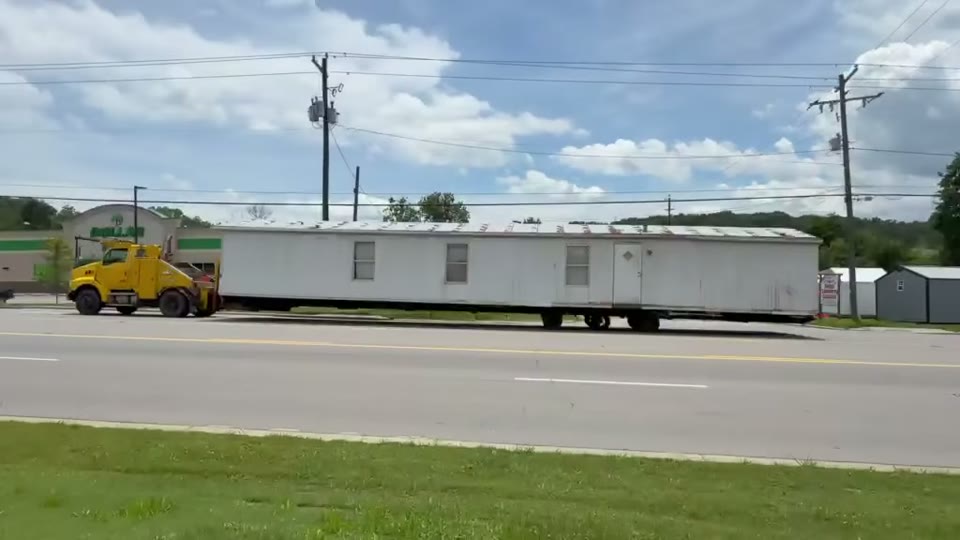
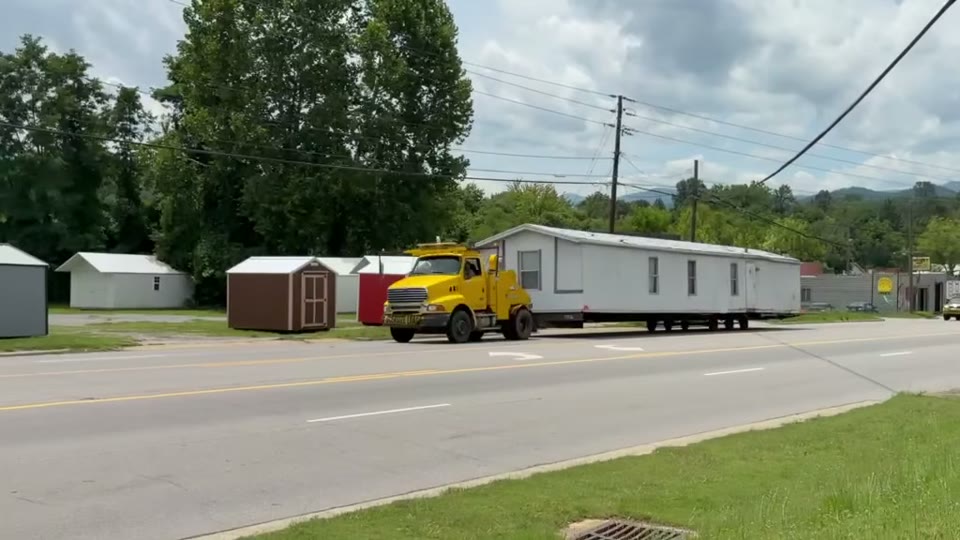
Mills River occupies the lower French Broad watershed, where farmland, newer subdivisions, and manufactured housing that dates to the 1970s and 1980s share the same rural corridors. When a home on one of those lots has run its course, the first practical question is whether it can still roll or whether it needs to come down in sections.
A single-wide with intact frame rails, a driveway the rig can reach, and no overhead utility lines blocking the exit path can often leave under a NCDOT oversize/overweight permit issued through the Publication MH-2 process. A home with a cracked frame, a severely deteriorated subfloor, or access that has not been maintained in years is almost certainly a demolition job. Knowing which category you have before the first quote call determines whether you are pricing a move or pricing a teardown — and the cost difference is real.
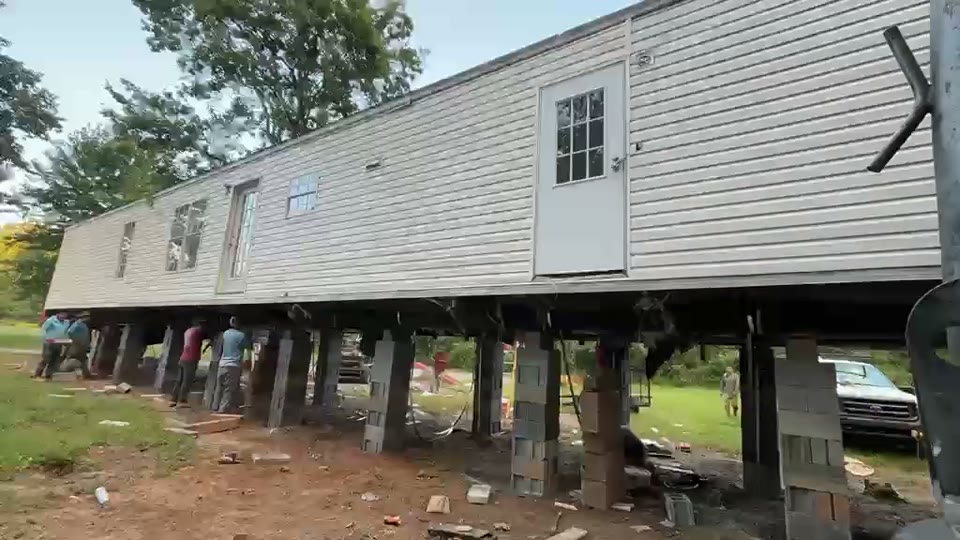
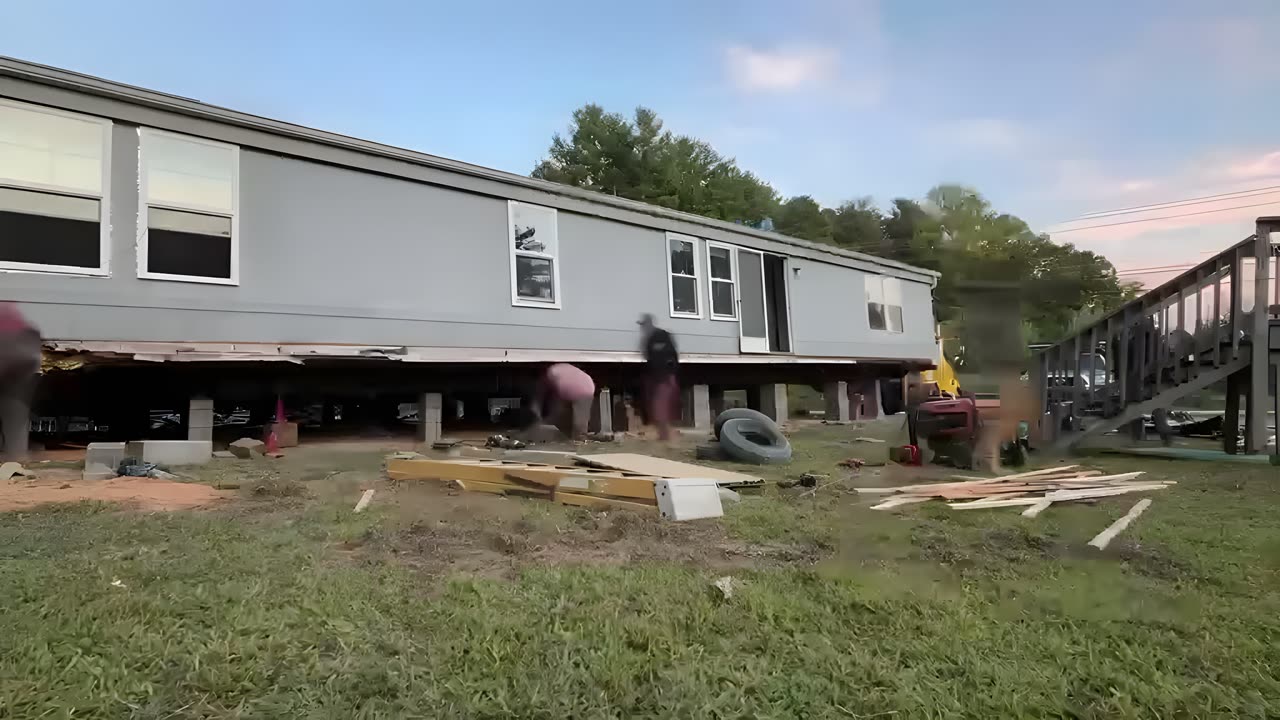
Once the home is out, site work begins: pier removal, grading, and whatever foundation preparation the next structure requires. That phase is covered separately on the foundation grading and footers page.
Henderson County's permit sequence, step by step
Henderson County does not issue a removal permit in isolation. Four components have to move in order, and each one can hold the next.
The title comes first. A manufactured home that carries a DMV title has to have it released, surrendered, or transferred before the home moves. If the home was converted to real property, the process runs through NCGS Chapter 105, Article 18, which requires proof that property taxes are paid before a moving permit can be issued. The county assessor will ask to see that certification before issuing a moving permit for any relocation within Henderson County.
Utilities come second. Electric, water, septic or sewer, and gas each have to be disconnected by a licensed provider before the home moves. Henderson County Environmental Health handles septic: they issue a disconnect approval or, when the next home will reuse the same field, certify an existing-system affidavit.
Zoning comes third. Mills River is an incorporated town; permits for lots within the town limits go to the town's planning office. Unincorporated Henderson County land goes through the county's zoning department. The lot's classification determines what can legally replace the home, including whether a new manufactured home is a permitted use at that location.
The County Assessor's moving permit closes the sequence for any relocation that stays within Henderson County. It follows the Article 18 tax-paid certification, not the other way around.
Scope and cost: what drives the final number
Prices below reflect typical market ranges for Henderson County and the Mills River area. Site access, the home's age and condition, and whether utility disconnect work is included all move the final number. The factor that most reliably pushes a job toward the top of its range is constrained access: a long unpaved drive, a tight turn near the road, or overhead lines that require a utility company visit before the transport truck can position.
| Scope | Typical Range |
|---|---|
| Single-wide, good access, haul to permitted facility | $3,000 – $5,000 |
| Single-wide, difficult access or older/damaged condition | $5,000 – $7,000 |
| Double-wide, good access | $6,000 – $9,000 |
| Double-wide, difficult access or significant demolition required | $9,000 – $15,000 |
| Utility disconnect per trade (licensed subcontractor) | $200 – $600 each |
DMV title fees, Environmental Health fees, and County Assessor permit fees are separate from the removal quote. Get those costs from the issuing offices directly — they are set by the county, not the contractor.
Storm history and what it means for the home's condition
Henderson County has accumulated 16 federally declared disaster events across 1978-2026, including hurricanes in 2023, 2020, and 2019, a tropical storm in 2024, and a winter storm in 2026. That record matters for removal planning because storm damage accumulates in manufactured homes differently than in site-built construction. Frame twist, compromised marriage wall connections on double-wides, and shifted piers can all develop from a single severe event or from repeated moderate impacts over years — and none of it may be visible from the outside.
HUD's wind zone classification for Henderson County is Zone I under 24 CFR 3280.305, as documented by the HUD Office of Manufactured Housing Programs. A home built to that standard was engineered for the wind loads this area sees. But a home built to Zone I spec in 1983 that has stood through four or five significant weather events may have frame conditions its original rating no longer reflects. A basic structural walkthrough before pricing a relocation — checking frame rail continuity, pier bearing, and marriage wall integrity on a double-wide — is worth doing before anyone commits to a road move versus a teardown.
After the home is out: site clearance and next steps
Removal is not the same as site clearance. After the home leaves — or after demolition debris is hauled — the lot typically needs pier removal, utility cap work, grading, and sometimes topsoil if the next use is landscaping. If a replacement manufactured home is coming in, a contractor licensed through the NC Manufactured Housing Board can assess whether existing footers meet current code for the new home's dimensions and wind zone before setup begins. That evaluation prevents a second round of site work after the replacement arrives.
Materials from a demolished home go to one of two places: a licensed Class III construction and demolition landfill or, for steel, aluminum, and copper components, a certified recycler. The EPA's guidance on construction and demolition debris covers what qualifies for each disposal stream. Keeping weight tickets from the landfill and receipts from the recycler closes the paper trail if the lot changes hands later.
For jobs where the home is in good enough condition to relocate rather than demolish, the Mills River moving page covers transport permitting, route surveys, and setup at the destination. Jobs that are clearly demolition scope from the start follow the sequence described on the demolition and removal page.