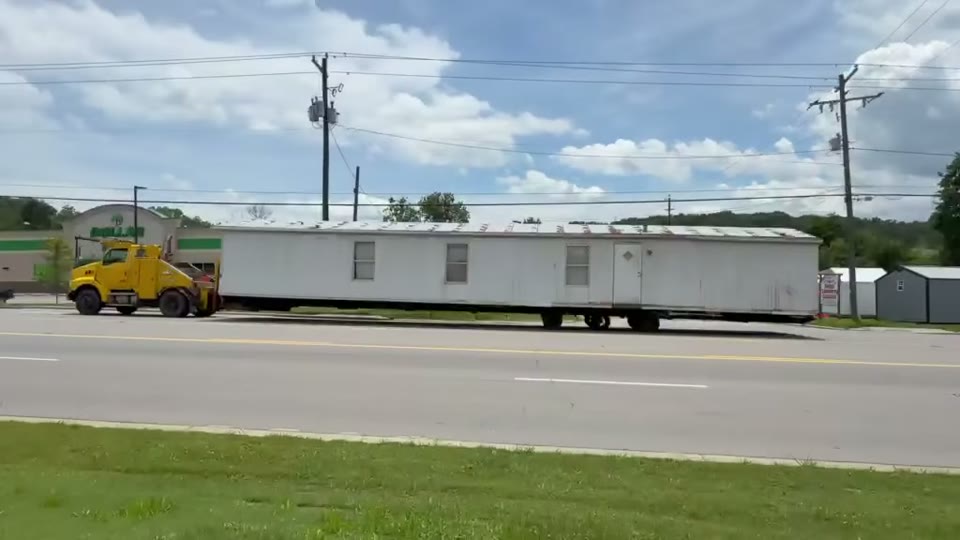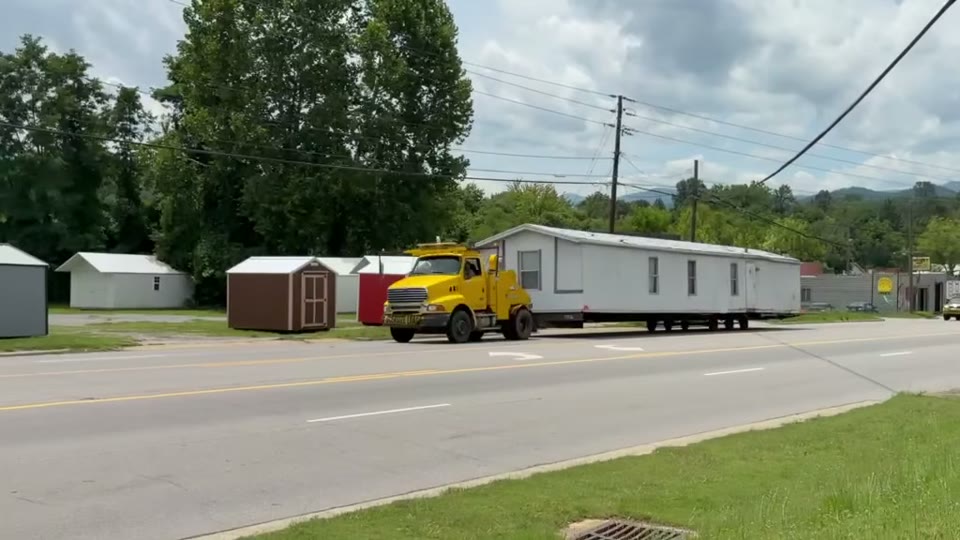
Moving a double-wide across Balsam Gap
A double-wide relocating from Flat Rock or Hendersonville to a lot in Sylva covers roughly 70 miles of NC mountain highway, but the miles matter less than the route. US-23/74 through Waynesville and over Balsam Gap — a mountain pass that crests above 3,300 feet — is the practical corridor for wide loads heading into Jackson County. That grade, the lane geometry through the gap, and the tight curves on the descent toward Dillsboro and Sylva are what push a transport quote toward the top of its range. The origin zip code is almost beside the point.
The lot question starts before the truck does. A hollow or ridge parcel in Jackson County often has a private road that no escort driver has seen and a driveway grade that a transport rig cannot navigate without blocking assistance or a cable pull. Movers who work this market price those conditions after a site visit, not after the truck is already committed to the driveway. If your land is accessed by a one-lane gravel road off a state route, say that on the first call — it changes everything about the day of the move.
For context on how mountain terrain shapes quotes across the whole region, the Western NC mobile home moving overview walks through the variables that drive cost before the first mile is covered.
What a Jackson County move costs, scope by scope
The ranges below reflect typical market figures for moves in and around Sylva. Transport-only means the home arrives at the new site; blocking, anchoring, and utility connections are separate line items. Grade, access complexity, and permit conditions are the primary price movers within any range — not home age or haul direction.
| Scope | Typical range | What pushes it higher |
|---|---|---|
| Single-wide transport only | $3,000 – $8,000 | Steep driveway, tight corridor, long haul with pilot car escort |
| Double-wide transport only | $7,000 – $15,000 | Balsam Gap crossing, oversize permits, grade work at destination |
| Site prep and blocking | $1,500 – $4,500 | Unlevel lot, concrete pier footing vs. ground anchors, soil type |
| Tie-down and anchor system | $800 – $2,000 | Auger anchors in clay soil, Wind Zone compliance on steep sites |
| Re-leveling at existing site | $500 – $2,500 | Significant settlement, full re-block versus spot pier adjustment |
These ranges are starting points for budgeting. Any mover quoting a Jackson County job from an aerial map alone is not accounting for what the road actually looks like at 6 a.m. behind a pilot car. If your move includes setup at the new location, the setup and installation guide details what that scope covers and what questions to ask before signing.
Permits before the wheels turn
Any mobile or modular home moving on a North Carolina public road needs an oversize/overweight transport permit. NCDOT's MH-2 publication covers the permit requirements — dimensions, escort rules, travel-hour restrictions, and the route approval process that matters when a wide load is crossing a mountain pass. The escort and routing requirements for US-23/74 over Balsam Gap are not the same as moving a single-wide across a flat Piedmont county; the permit office will specify what that corridor demands on the day you move.
On the destination side, Jackson County requires an installation permit through the county building department before a home can be set and connected. The state's manufactured housing program — governed by the NC Manufactured Housing Board under the Office of State Fire Marshal — licenses both movers and setup crews. Ask for that license confirmation before booking; the licensing structure exists because installation errors are the most common source of long-term problems with relocated homes, and an unpermitted setup can complicate title and resale years later.
Anchoring and leveling on Jackson County ground
Jackson County falls in HUD Wind Zone I under 24 CFR 3280.305 — the baseline federal wind rating — which sets the minimum anchor and tie-down requirements for any manufactured home installed here. That standard applies regardless of whether the home was built last year or three decades ago, and it applies to re-installations the same as first-time placements. The HUD Office of Manufactured Housing Programs maintains the federal installation standards that NC requires as a condition of the installation permit.
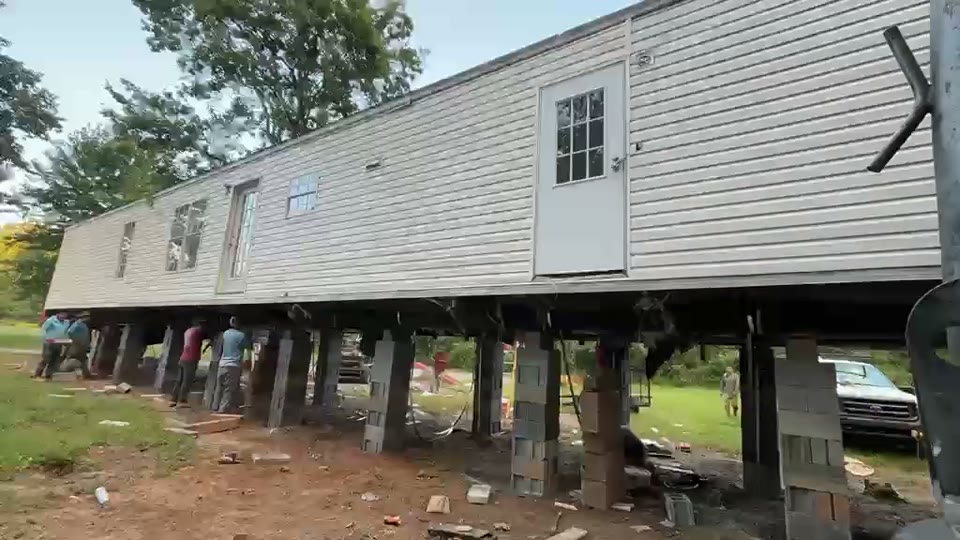
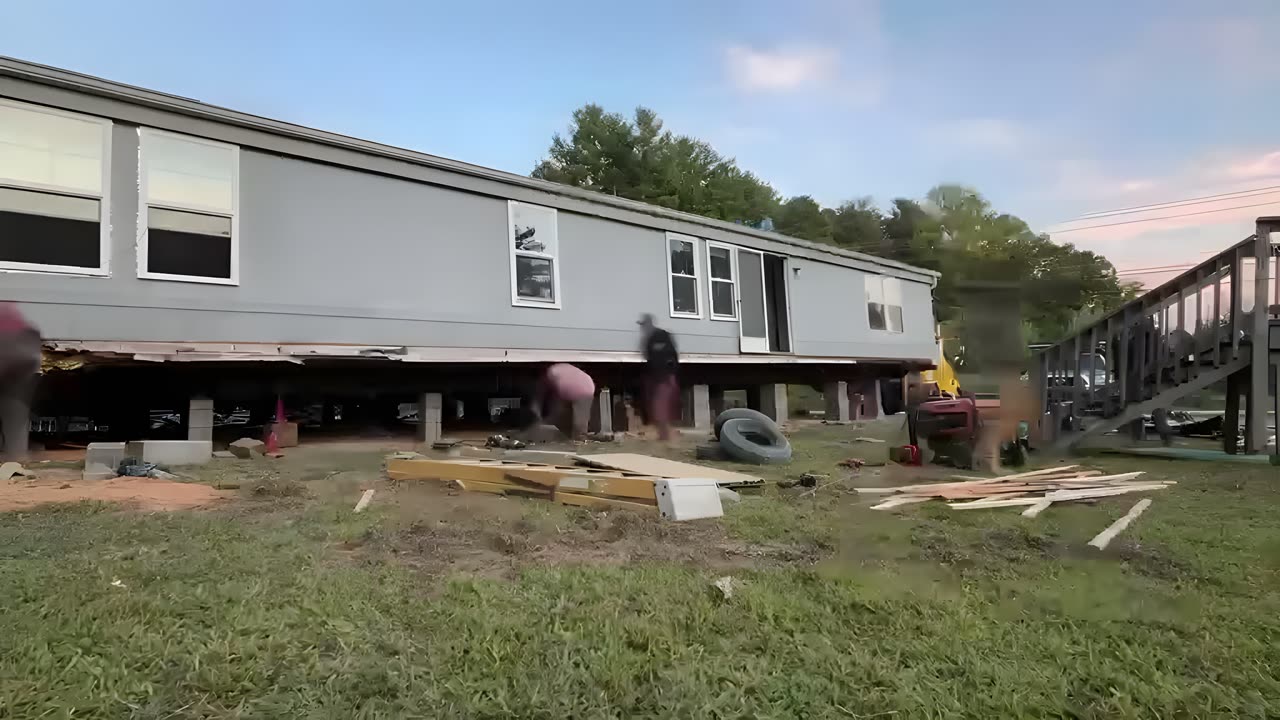
Mountain soils complicate anchoring in ways that flatland specs do not anticipate. Clay-heavy hillside soils in Jackson County shift seasonally, and a home that was level at installation may need attention within a few years — a normal outcome on mountain ground, not a defect in the original move. Staying current with periodic checks is the practical answer. The re-leveling service page covers what that work involves, the signs that indicate it is time, and what a proper re-block versus a spot adjustment entails.
Jackson County's weather record and the moving window
Jackson County has 17 federally declared disaster events on record (1973-2026). The recent run — Winter Storm (2026), Tropical Storm (2024), Hurricane (2023), Hurricane (2021), Hurricane (2020) — reflects how reliably severe weather reaches the southern Blue Ridge, and it explains why the scheduling window for moving a wide load safely over a mountain pass is a real constraint, not just a preference. A move booked for late autumn looks different if a winter storm is tracking toward the gap.
Manufactured homes carry specific weather vulnerability during transport and after placement. The National Weather Service tornado safety guidance for mobile homes is explicit: when severe weather is imminent, evacuate to a solid structure. That is not a comment on build quality — it is physics. The same logic applies to the move itself: a reputable transport crew will reschedule rather than run a wide load over Balsam Gap in deteriorating conditions, and any crew that won't is telling you something important about how they manage risk on your job.
What to nail down before you book a mover in Sylva
Three questions separate crews who know Jackson County from those adding mountain work to a flatland radius. Ask whether they have run the Balsam Gap corridor specifically. Ask how they price a site they have not physically visited. Ask who pulls the NCDOT transport permit and whose name goes on the county installation paperwork. The answers to those three questions locate where the risk lives in a quote faster than reading any review can.
The NC Manufactured Housing Board maintains a public license lookup for movers and installation crews. Running that check before signing costs nothing and closes the most common source of post-move disputes: setup work done by an unlicensed crew that never pulled a county permit, leaving the homeowner with an uninspected installation and complications at resale. Ask for the license number; confirm it.