From the Catawba valley to the ridgelines above Lake James
Marion, the McDowell County seat, sits in the Catawba River corridor where I-40 and US-221 cross — a geography that divides the county into two very different categories of building lot. Valley parcels between Marion and Old Fort lie over river-deposited clay and sandy loam; hillside lots climbing toward Lake James and the South Mountains are cut into weathered granite and shale. Both types produce manufactured home installations that can fail in different ways, and the prep work that prevents failure starts well before a single pier is set.
McDowell County recorded 524 manufactured housing permits between 2019 and 2026 — a consistent baseline that reflects real demand for manufactured housing across the county. That volume tells you the county has a practiced eye for what a proper installation looks like, and what a poorly executed one costs to correct. Manufactured housing delivers square footage here at a price that site-built construction cannot match, particularly on the larger rural parcels that remain available west of Marion toward the Yancey County line.
Grading, drainage, and what a dirt pad actually involves
The search phrase "dirt pad for mobile home" points at the single most consequential step in a manufactured home installation: shaping the ground the home will rest on. A properly prepared dirt pad is not a raw clearing — it is a graded, compacted platform that routes water outward from the home's perimeter and gives footers or runners a stable base that will not shift under load.
In McDowell County, terrain makes drainage planning unavoidable. A lot in the Marion city limits often sits near the edge of the Catawba floodplain, where heavy rain backs up quickly; a rural parcel graded into a hillside above Old Fort or east toward Woodlawn collects uphill runoff unless a cut-bank drain or swale is built into the grading plan. EPA stormwater principles that govern larger grading projects apply the same logic to a single home pad: where grading disturbs soil, drainage must be designed in from the start, not added as an afterthought once the home is set.
The information a grading contractor needs before arriving matters as much as the equipment they bring. Existing slope and drainage patterns on the lot, whether uphill runoff needs to be intercepted, the home's intended orientation, and the footer or runner system planned — all of these shape how the pad gets cut and where drainage features go. A pad graded without that context often has to be reworked before the home can be placed, which adds cost and delays the entire installation.
Footer and runner options, with typical costs around Marion
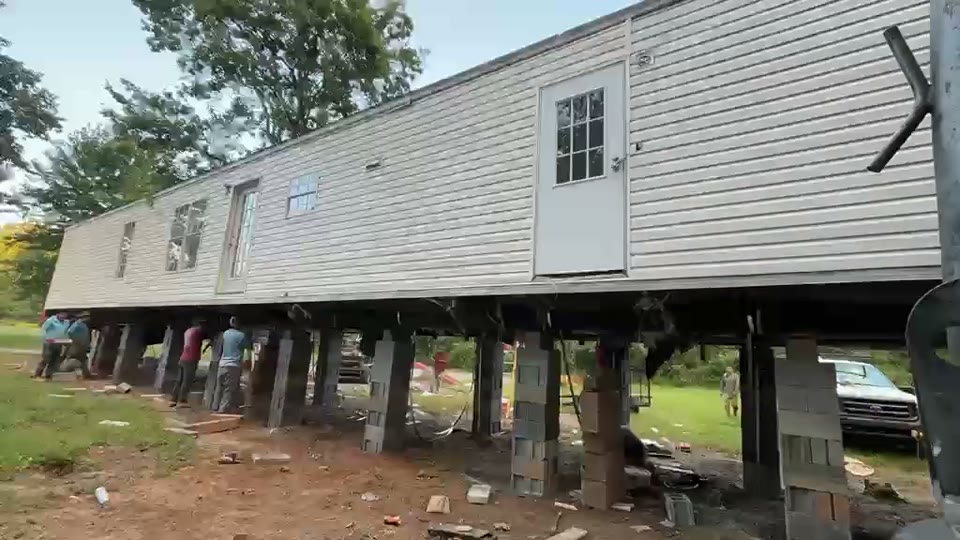
Once the pad is graded and compacted, the support system goes in. Marion sits at roughly 1,400 feet, and ridge lots in McDowell County climb higher — frost heave is a genuine risk here. Footers that don't reach below the local frost line will move in a hard January, and a home that has moved requires re-leveling. Installers working in this area target footer depths appropriate for the county's frost zone; a local inspector or engineer can confirm the right depth for your specific elevation and soil conditions.
| Support type | Best for | Typical cost range |
|---|---|---|
| Concrete pad footers under individual piers | Single-wides, moderate slopes, most lot types | $2,000 – $4,500 |
| Concrete runners (perimeter or full-length) | Double-wides, soft soil, longer-term installations | $4,000 – $8,000 |
| Full concrete slab (monolithic) | Permanent installations, double-wides on flat lots | $10,000 – $15,000 |
These are typical market ranges for the Marion area — actual cost shifts with slope, soil conditions, footer depth, and site access. Steep hillside lots add grading labor and sometimes engineered fill; bottomland lots near the Catawba may need drainage fabric or gravel base work under runners. The grading and footers guide covers how each system distributes load and what site conditions favor which approach.
Storm history, wind zone, and what anchoring actually requires
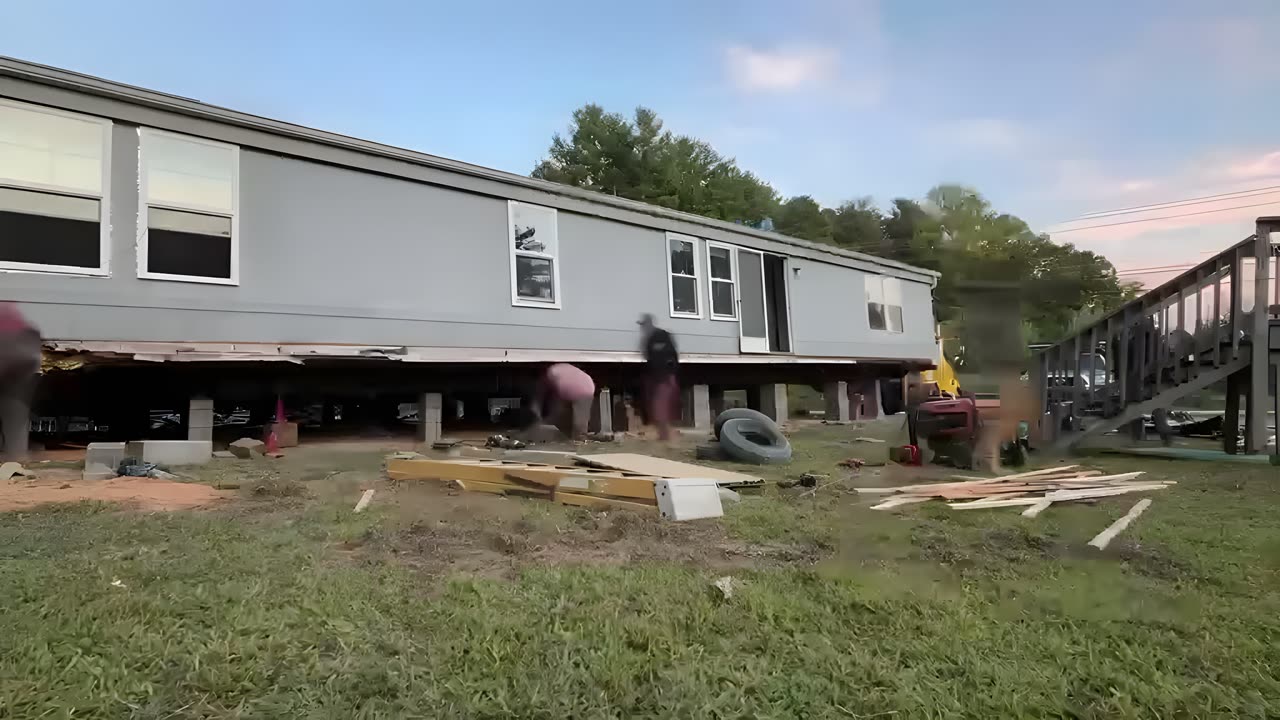
McDowell County has accumulated 19 federally declared disasters over 1973-2026 — including Hurricanes in 2019, 2020, and 2023, a Tropical Storm in 2024, and a Winter Storm in 2026. Most of those events pushed exceptional rainfall into the Catawba River basin and its tributaries. Manufactured homes on sites without adequate drainage were among the most affected properties: not because the homes failed structurally, but because saturated soil under pier pads shifted, moving the homes off level. NOAA National Weather Service records for this part of western North Carolina document the rainfall frequency that site drainage planning has to account for. A well-anchored home on a poorly drained site is still a re-leveling job waiting to happen.
McDowell County falls under HUD Wind Zone I per 24 CFR 3280.305, the base designation for most of inland North Carolina. That classification does not exempt any installation from anchor and tie-down requirements. HUD's manufactured housing program standards require every home to be secured to its foundation per the home's own installation instructions — the zone designation shapes the engineering specification, not whether anchoring is required.
Permits, tax clearance, and what to confirm with the county
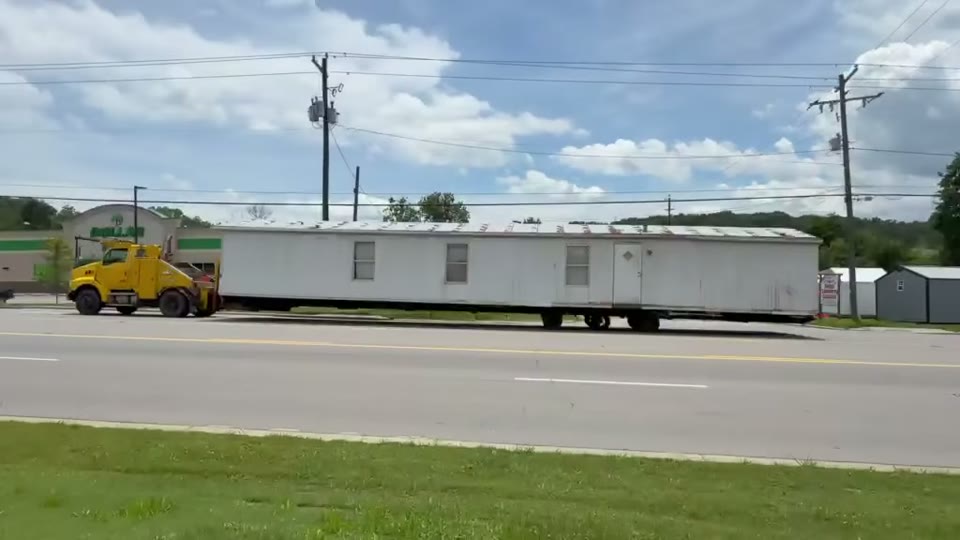
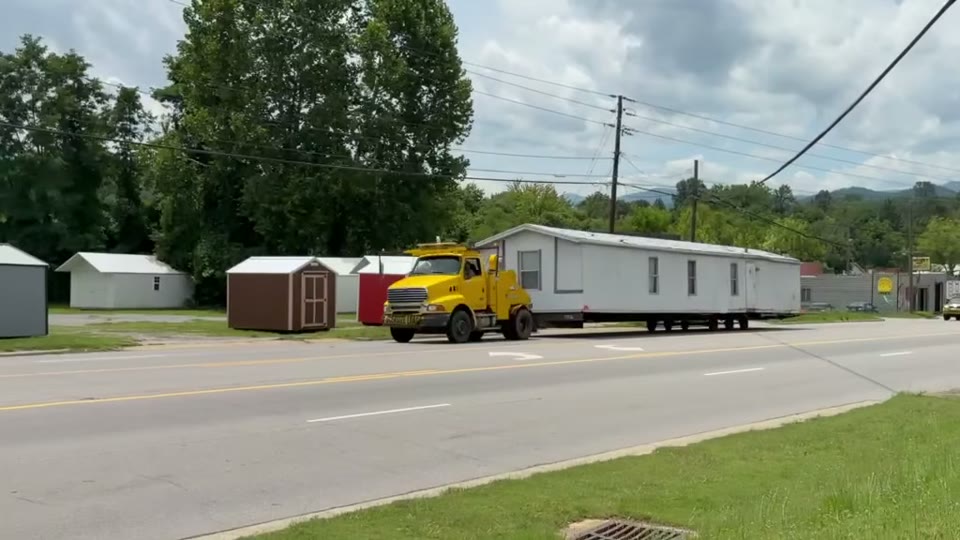
Moving a manufactured home on North Carolina roads requires two separate documents before transport begins. The first is an NCDOT oversize/overweight road permit; NCDOT Publication MH-2 covers route requirements, flag car rules, and timing restrictions. The second is a tax-paid moving permit issued under NCGS Chapter 105, Article 18, which the county tax office issues once any real property taxes owed on the home are cleared.
Installation contractors must hold a license through the NC Manufactured Housing Board — ask for proof of that license before any setup work begins. McDowell County's own permit requirements for manufactured housing were not independently verified for this page; the county may require a building permit, a zoning review, or a site inspection before placement. Call McDowell County Planning and Development before setting a move date — getting the permit sequence right before the home arrives prevents delays that can stall a job for weeks. The Marion installation guide covers what a properly sequenced setup looks like from first permit to final inspection.