Three agencies, one move — the full permit stack
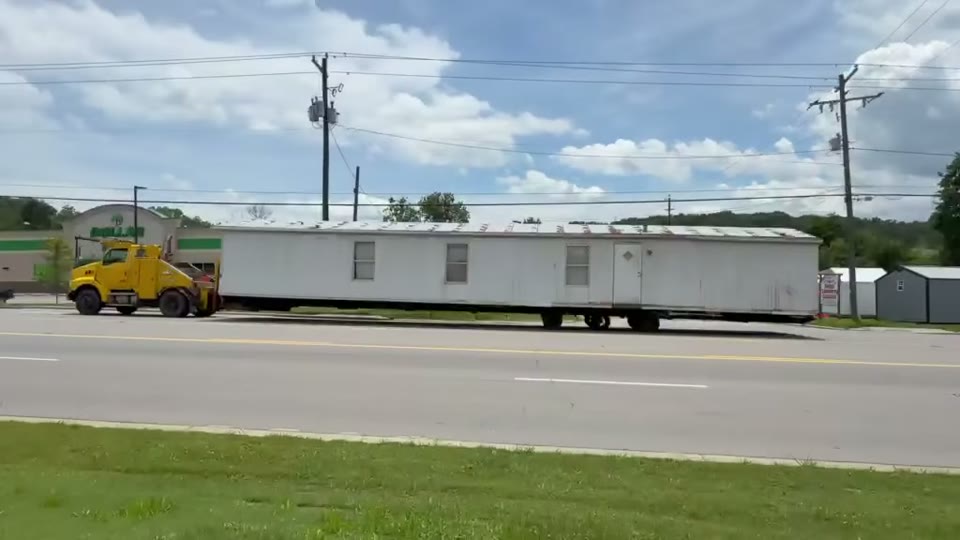
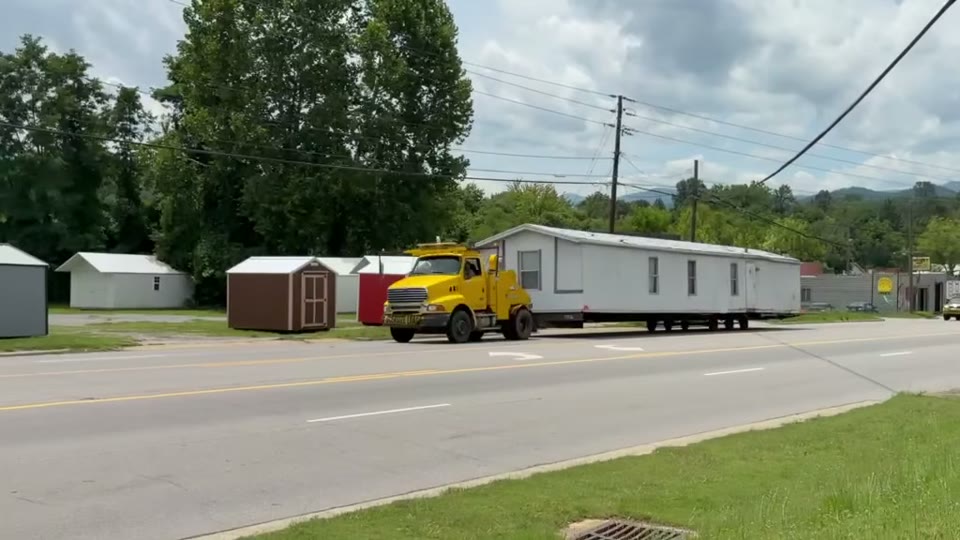
Buncombe County sits where the French Broad and Swannanoa rivers converge below Blue Ridge ridgelines that climb to nearly 6,000 feet, and routing a manufactured home through those mountain corridors demands a level of permit coordination that flat-county movers rarely face. A North Carolina mobile home move touches three distinct government layers, each with its own fee and its own authority to stop the job: the county tax-paid moving permit required under NCGS Chapter 105, Article 18 (G.S. 105-316.1), the NCDOT oversize-load permit that authorizes travel on public roads, and the county setup or installation permit that governs the home at its destination. Add utility reconnect and septic sign-offs on a raw lot and the stack becomes substantial, but every fee is predictable if you know where to look.
| Permit / Sign-Off | Issuing Authority | Who Sets the Fee | Typical Fee Range |
|---|---|---|---|
| Tax-paid moving permit (G.S. 105-316.1) | County tax office | County; any outstanding ad-valorem taxes also become due | Nominal permit fee + back taxes owed |
| NCDOT oversize-load permit (Publication MH-2) | NCDOT Oversize/Overweight Permits | NCDOT fee schedule | Set by NCDOT schedule; double-wide requires two permits |
| County setup / installation permit | County inspections department | County fee schedule | $100–$400 depending on scope |
| Electric reconnect / utility sign-off | Utility provider + county electrical inspector | Utility and county | Varies by provider |
| Septic / well sign-off (if applicable) | County environmental health | County fee schedule | Varies; confirm with county |
The county tax-paid permit — first stop before anything rolls
North Carolina law prohibits moving a manufactured home without first obtaining a tax-paid moving permit from the county tax office. The authority is NCGS Chapter 105, Article 18, specifically G.S. 105-316.1, which requires the county tax collector to certify that all property taxes on the home are current before issuing the permit. The permit fee itself is nominal and set by the county. The real surprise for many owners is that any outstanding ad-valorem taxes on the home become due at the time of issuance — not when the home sells, not when it arrives at the new lot, but before the permit is stamped and the truck is cleared to move.
A home that has sat on a leased lot for years without a tax clearance may carry arrears that exceed the cost of the move itself. Request the tax account balance from the Buncombe County tax office well before the moving date — ideally at least three weeks out, not the week of. In straightforward cases the certificate can issue the same day. When a lien dispute, estate matter, or unpaid balance requires resolution, allow up to ten business days. Your contractor cannot legally pull the home off its existing lot without this document in hand. Starting here first is not administrative caution; it is the one step that controls the entire downstream schedule.
The NCDOT oversize-load permit — what Publication MH-2 covers
Once the tax permit is secured, the moving contractor must hold a valid NCDOT oversize-load permit authorizing the home's travel on North Carolina public roads. The rules for manufactured home moves are documented in NCDOT Publication MH-2, which covers route authorization, maximum travel dimensions, daylight-only restrictions, and escort vehicle requirements. Travel is limited to daylight hours — no moving after dark or before sunrise. Loads wider than 14 feet require a certified escort vehicle, and the entire route must be pre-approved by NCDOT rather than assumed passable.
For a Buncombe County move, that route-approval step carries more weight than in most NC counties. Asheville NC's downtown grid, the US-19/23 corridor north and south of the city, and river-bottom roads along the French Broad present bridge-clearance and curve-radius constraints that NCDOT reviews on a route-by-route basis. A move that appears straightforward on a county map can require a deviation adding miles and time, and the cost of a delayed crew and escort vehicle in mountain terrain is not trivial. A double-wide arrives in two separate sections, each requiring its own MH-2 permit and its own NCDOT application: two permit fees, potentially two escort vehicles, and two routes coordinated for the same move. The contractor handles the NCDOT application under normal practice; the fee is set by NCDOT's published schedule, but the route-specific requirements are where planning matters most in Buncombe County's terrain.
The county setup permit and what the inspector checks
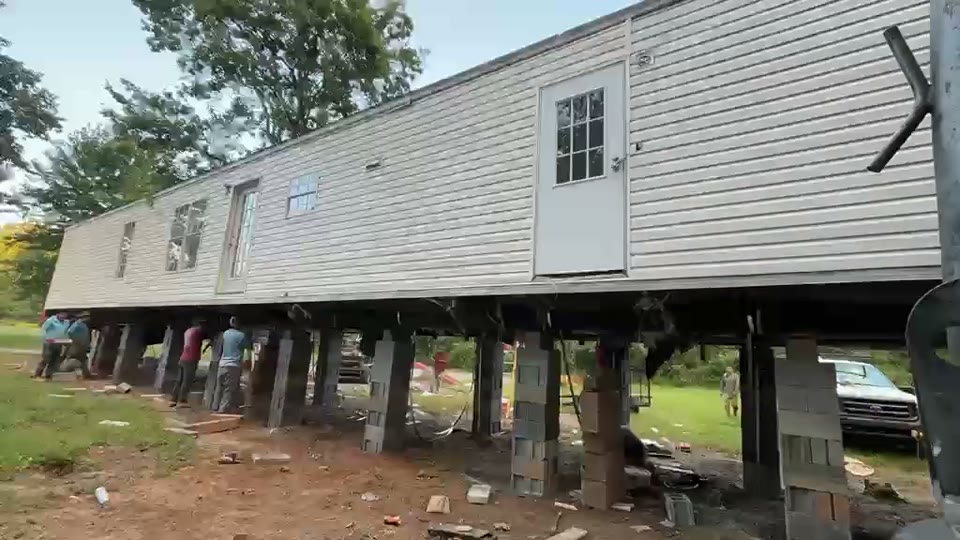
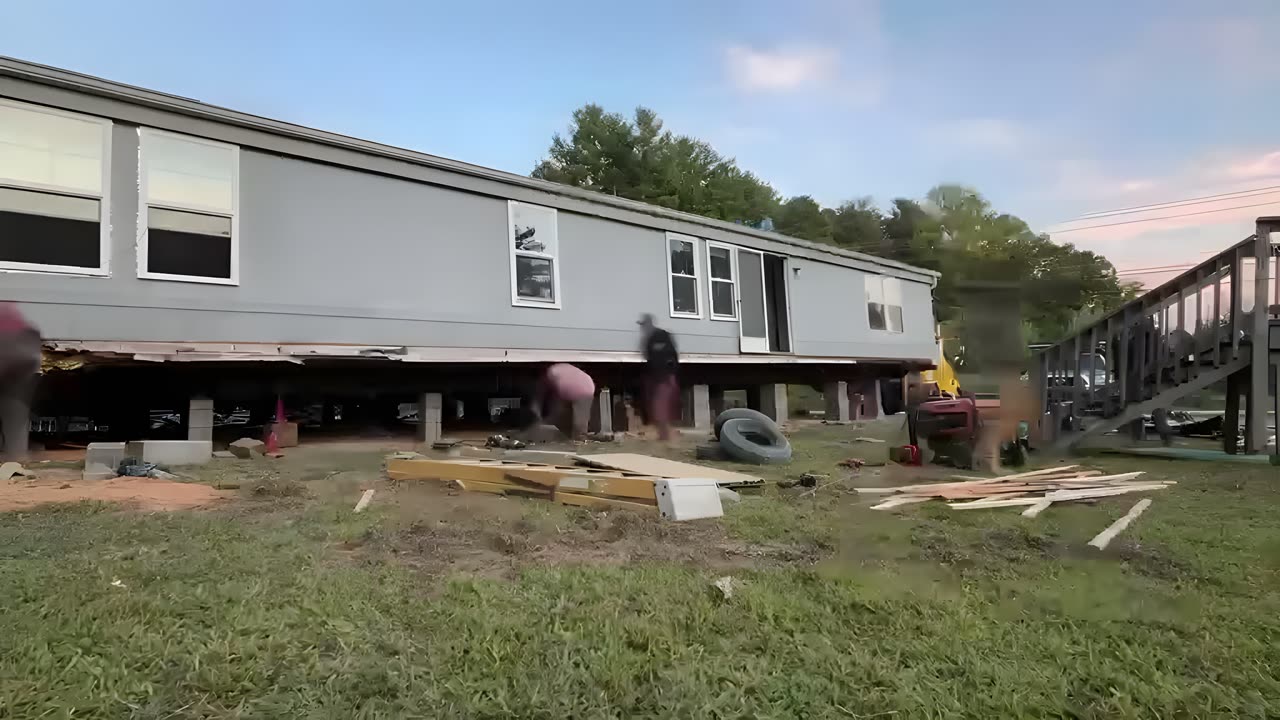
At the destination, the home cannot be connected to utilities or occupied until the county issues a setup or installation permit and a licensed installer completes the work to the inspector's satisfaction. The installer must hold a current state license issued by the NC Manufactured Housing Board (NC Office of State Fire Marshal); the inspector verifies the license at the time of inspection. The permit fee is set by the county inspections department's schedule; for a standard single-wide installation on a prepared pad in Buncombe County, budget roughly $100–$400 for the permit itself, depending on the scope of work reviewed.
The substance of the inspection goes beyond paperwork. Buncombe County lies in HUD Wind Zone I under 24 CFR 3280.305, which sets the minimum anchoring standards for manufactured homes in this region. The inspector reviews anchor placement, pier spacing, and torque documentation — the written log confirming that each ground anchor was driven and tested to the specified resistance. That documentation requirement reflects real conditions: Buncombe County has received 19 federal disaster declarations spanning 1973-2026, with events including Hurricanes in 2023, 2021, and 2020, a Tropical Storm in 2024, and a Winter Storm in 2026. Inspectors here have seen anchoring failures under actual storm loads, and torque records are treated as a substantive safety check. For the complete list of what the county inspections office reviews on a setup, see the Buncombe County mobile home permits page.
What drives total permit cost higher on a Buncombe County move
A single-wide move to a prepared Buncombe County site — existing pad, utilities stubbed in, no back-tax issues, clean route — typically totals $400–$700 across all permit layers. A double-wide destined for a raw mountain lot with a new septic system, no existing pad, and route complications can push total permit and sign-off costs to $1,200–$1,800 or more. The variables that move the number in either direction:
- Unit type: Double-wides require two NCDOT MH-2 permits, a more involved setup inspection, and often a longer NCDOT route review process.
- Route complexity: Mountain corridors, weight-limited bridges, and tight turns in Asheville NC's older residential neighborhoods can add route-study time, required detours, and escort requirements.
- Site condition: A raw lot needing new septic permitting, a well permit, or grading sign-off adds county environmental health fees on top of the base stack.
- Outstanding back taxes: Any unpaid ad-valorem taxes on the home become due at the G.S. 105-316.1 permit stage, a liability that has delayed more than a few otherwise well-planned moves.
- Municipal overlay: Portions of Asheville NC's incorporated limits may require additional zoning review or impose certificate-of-occupancy conditions beyond the county-baseline setup permit.
For the full picture of what a move costs beyond the permits themselves, see the cost to move a mobile home in NC guide.
What happens when a permit layer is skipped
Each permit layer carries a specific consequence when it is missing. An NCDOT oversize-load permit that was never issued, or that covers the wrong route, gives NCDOT personnel and law enforcement authority to stop the load on the road. The home sits — on a trailer, blocking traffic if the stop is abrupt — until a valid permit is in place. A moving crew on standby and a blocked route in mountain terrain cost far more than the permit fee would have. Skipping the G.S. 105-316.1 tax-paid permit does not stay hidden: the next title search on the home surfaces the missing clearance certificate, and no closing can proceed until it is resolved. Sellers who move first and sort the tax permit later often discover outstanding tax liabilities during due diligence, at the least favorable negotiating moment.
Without a valid county setup permit and approved final inspection at the destination, the home cannot receive a certificate of occupancy. No utility company will make a permanent hookup, and no lender will finance or refinance against a home without a COO on record. The after-the-fact permit path exists in most jurisdictions, but it commonly requires physically exposing the pier and anchor work so the inspector can verify placement and torque — the same excavation and reinstallation completed the first time, paid for again. The full step-by-step process for getting every permit layer right from the start is on the NC mobile home moving permit guide.