Laying a level pad on a Henderson County lot
Henderson County farms and woodlots have been splitting into residential parcels for decades, and the terrain those parcels sit on does not cooperate. Hendersonville's downtown lots are relatively flat, but drive five minutes toward Flat Rock on US-64 or north along NC-191 toward Mills River and the lots start tilting — toward creek drainageways, toward old apple-orchard terraces, toward roadside ditches that carry most of the county's stormwater. Mobile home foundations on sloped ground are not exotic here; they are the default. Every site has a cut side and a fill side, and the finished pad has to bring both within the level tolerance that state installation standards specify.
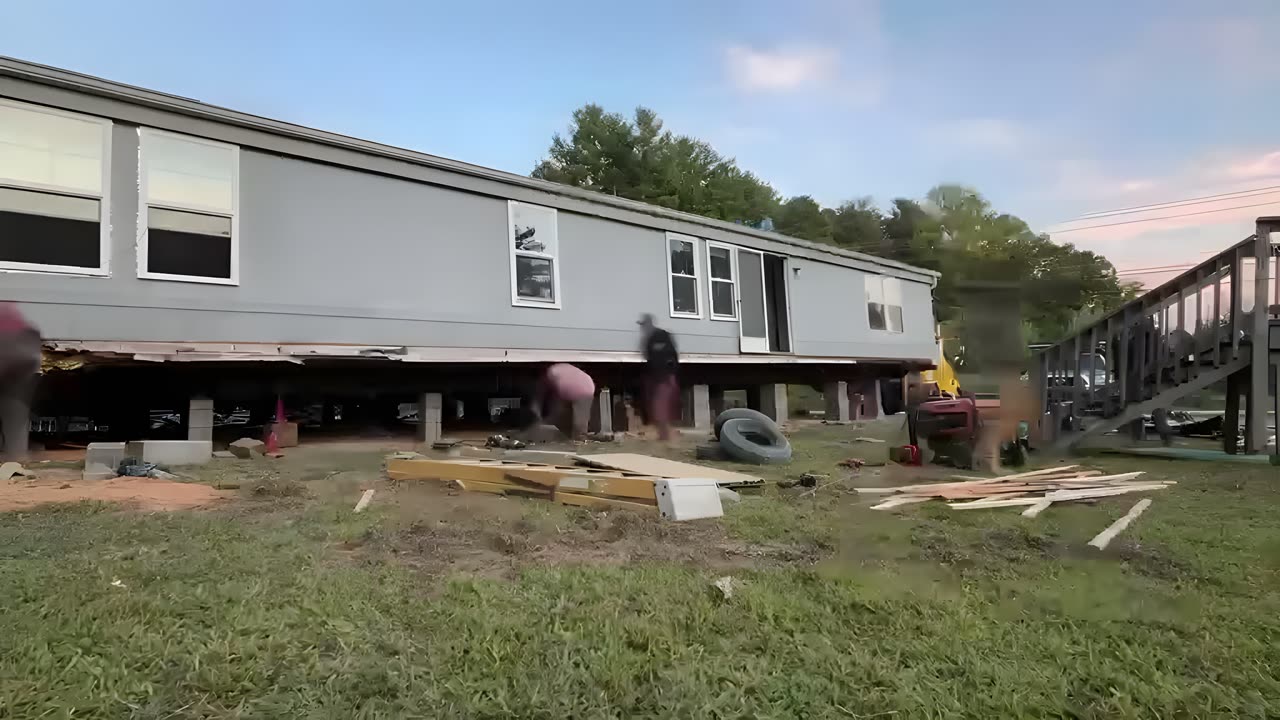
Site prep starts with a licensed excavator grading to a level pad, compacted and slightly crowned away from the home's footprint so rainwater leaves the site rather than pooling under it. How much grading a lot needs depends less on its size than its pitch: a lot that drops six inches from front to back is an afternoon's work; one that drops two feet over the home's length is a half-day of machine time with a larger fill bill. From there, the footer question opens — the foundation type depends on the home size, the lot's soil bearing capacity, your lender's requirements, and what Henderson County's building department wants to see when the inspector arrives. The full grading and footer sequence is covered at mobile home foundation grading and footers.
Foundation types and what they typically cost
The four common approaches in Henderson County break down by permanence and load requirement:
| Foundation Scope | Typical Range | Notes |
|---|---|---|
| Graded pad, ground anchors, running gear | $2,000–$4,000 | Single-wide on a mostly level lot |
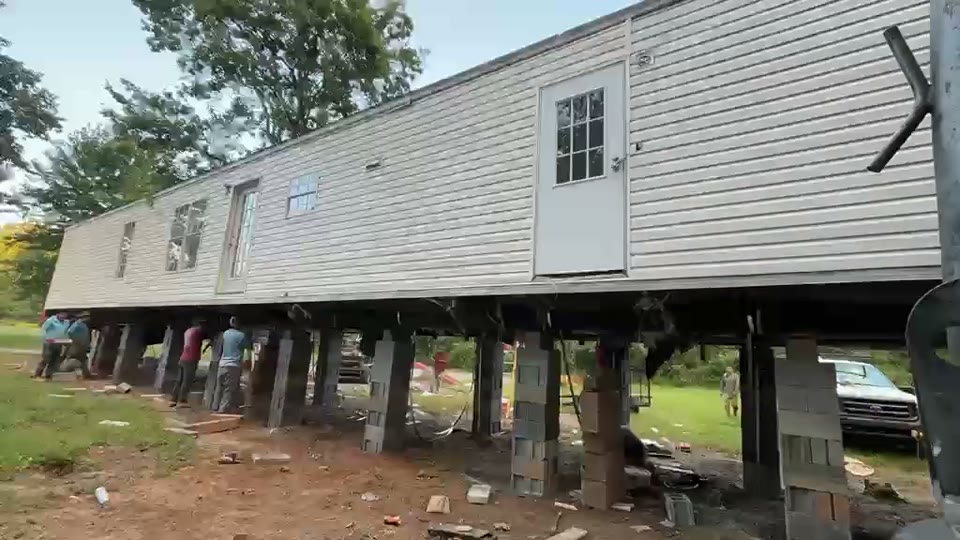
| Concrete footers with block piers and tie-downs | $3,500–$6,500 | Most common setup in Henderson County |
| Concrete perimeter runners with center piers | $5,000–$8,000 | Sloped lots, double-wides, or lender-required |
| Full concrete slab, single-wide | $6,000–$10,000 | Permanent siting or real-property conversion |
| Full concrete slab, double-wide | $10,000–$15,000 | Permanent siting, lender or county requirement |
Lot slope is the main price driver in Henderson County. A lot that drops eight inches over the home's length needs more fill, more piers, and more compaction work than the table's base case shows. Soil bearing capacity — whether the lot sits on solid clay or loose fill from an old land disturbance — changes footer dimensions. For a line-item breakdown by footer type and pier count, see mobile home footer cost NC. Henderson County's elevation adds a frost-depth requirement that flatter parts of NC can largely ignore: a footer that stops short of the frost line here will shift during hard winters, and re-leveling a home after frost movement is not an inexpensive repair.
What Henderson County wants before the home is set
The permit sequence in Henderson County runs in order. Each approval feeds the next, and the building department will not issue a manufactured home permit until zoning and Environmental Health are cleared.
Zoning. Inside Hendersonville city limits, zoning approval comes from the City of Hendersonville Planning Department. Outside city limits — most of the county — Henderson County Planning and Zoning administers it. Confirm a parcel allows a manufactured home before any site work begins; a rezoning takes months, and cleared ground does not accelerate it.
Environmental Health. A new septic system requires design approval and an installation inspection from Henderson County Environmental Health before the building permit application is accepted. An existing system requires a current adequacy affidavit. This step cannot be deferred until after the home is delivered.
Water and sewer. If the site connects to a public water or sewer line, tap approval and connection receipts go with the permit application.
Building permit. Henderson County issues the manufactured home installation permit once zoning and Environmental Health clearances are in hand. The permit covers installation to standards enforced by the NC Manufactured Housing Board under the Office of State Fire Marshal, and to HUD installation requirements.
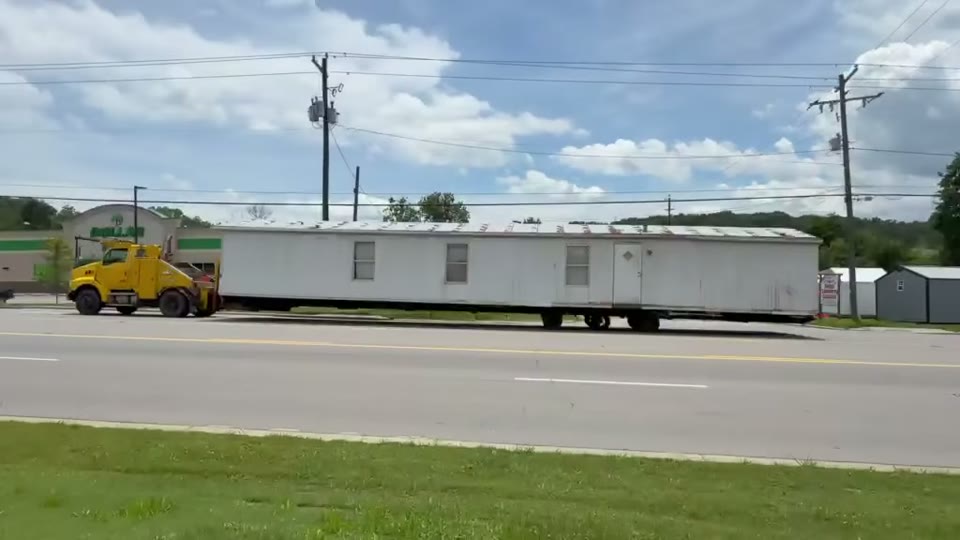
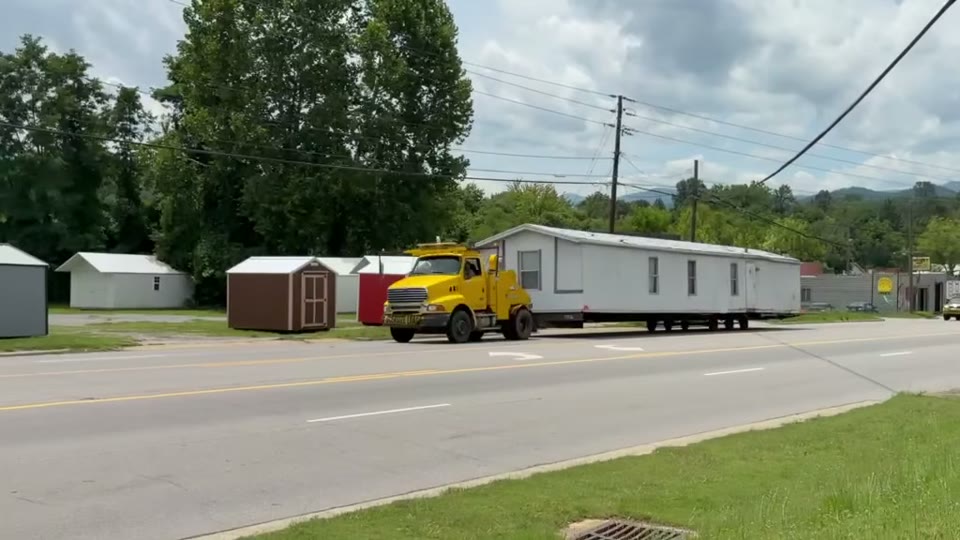
Moving permits. Moving a manufactured home within Henderson County requires a moving permit from the County Assessor under NCGS Chapter 105, Article 18 — proof of current property taxes on the home is required before issuance. Any road portion of the move also requires the NCDOT oversize-load permit under Publication MH-2. The full sequence from permit to blocking to final sign-off is at mobile home installation in Hendersonville NC.
Drainage and mountain weather — why they shape every foundation decision
Henderson County has recorded 16 federally declared disasters over 1978-2026, including a Winter Storm in 2026, a Tropical Storm in 2024, and hurricanes in 2023, 2020, and 2019. Every one of those events sent water across the county's slopes and into whatever drainage paths were available — including, in many cases, the space under a mobile home set without attention to grade.
The single biggest preventable foundation failure in Henderson County is a home set on a pad that drains water toward the structure rather than away from it. The fix at site-prep time is inexpensive: crown the pad, extend gutters to downspout extensions that carry water well past the skirting line, and verify that uphill drainage does not collect under the site. The fix after the fact — after pier rot, after softened footing soil, after framing that has been wet for two winters — costs more than the foundation itself.
Frost compounds the drainage problem at Hendersonville's elevation. A footer sitting in saturated soil that then freezes will move. The NC State Building Code Council sets the frost-depth standard that governs this county; any footer contractor working in Henderson County's mountains should be able to name it and show their work in the plan drawings.
Wind zone classification and what it means for your anchor plan
Henderson County is classified as HUD Wind Zone I under 24 CFR 3280.305 — the baseline designation for manufactured home construction and anchoring. Zone I does not mean tie-downs are optional; it means the minimum anchor pattern is engineered for the wind loads the zone requires. Every manufactured home set in North Carolina must be anchored to standards enforced by the NC Manufactured Housing Board, which covers anchor type, spacing, and the ground-anchor testing schedule appropriate to Zone I conditions and the soil classification at the installation site.
When evaluating foundation and installation contractors, ask directly whether they are licensed through the NC Manufactured Housing Board — the Board's license lookup is public — and whether they have recent experience on sloped Henderson County lots. Slope changes the blocking sequence, pier count, and drainage approach in ways that experience on flatland lots does not prepare a crew for. A contractor who cannot explain their footer-depth reasoning for Hendersonville's elevation is not the right one for this terrain.