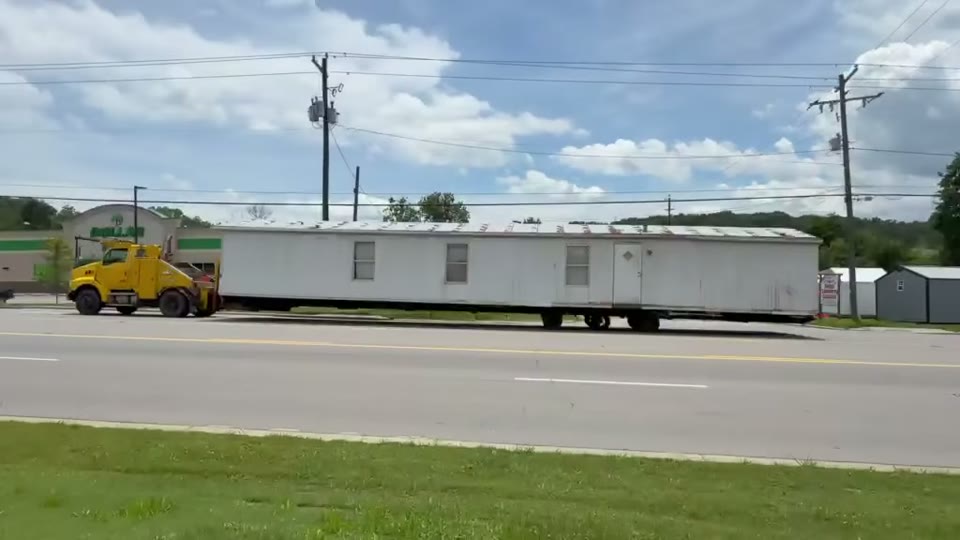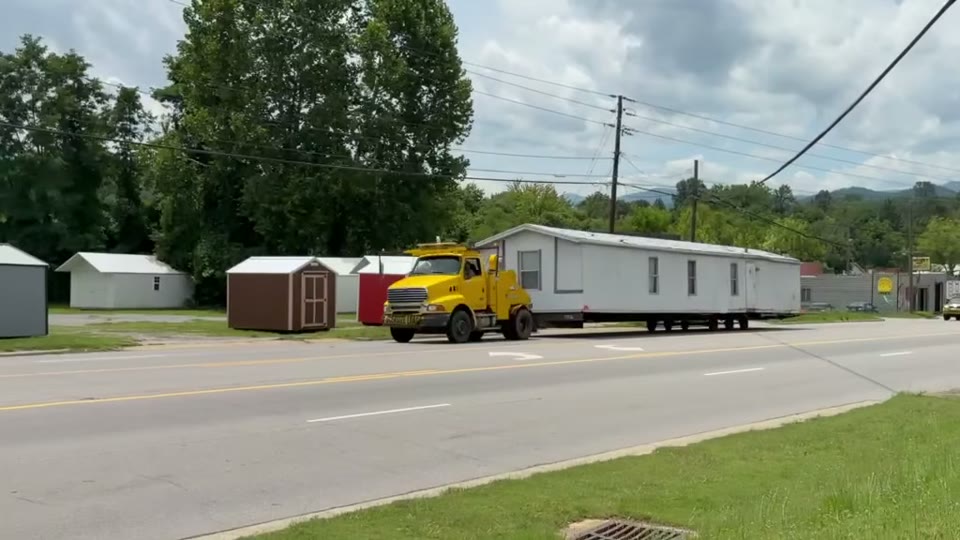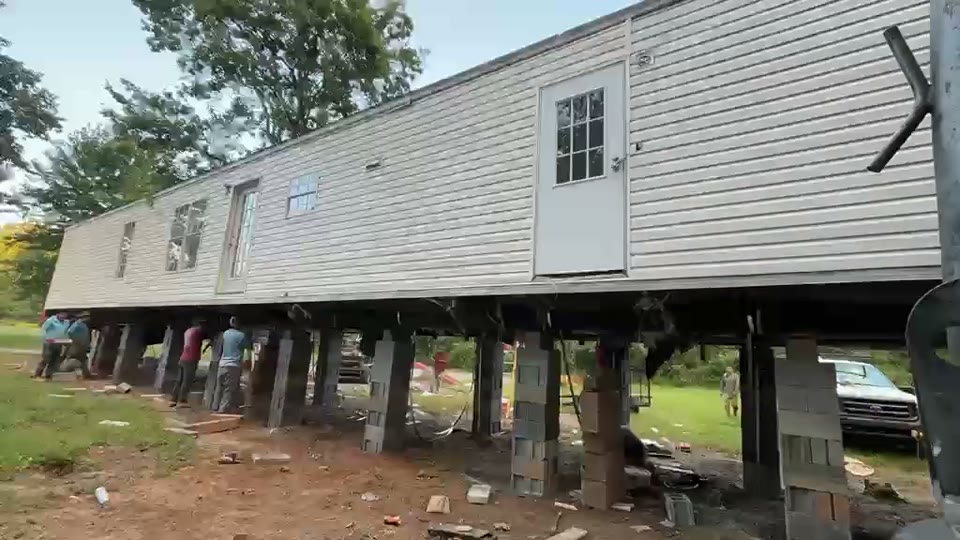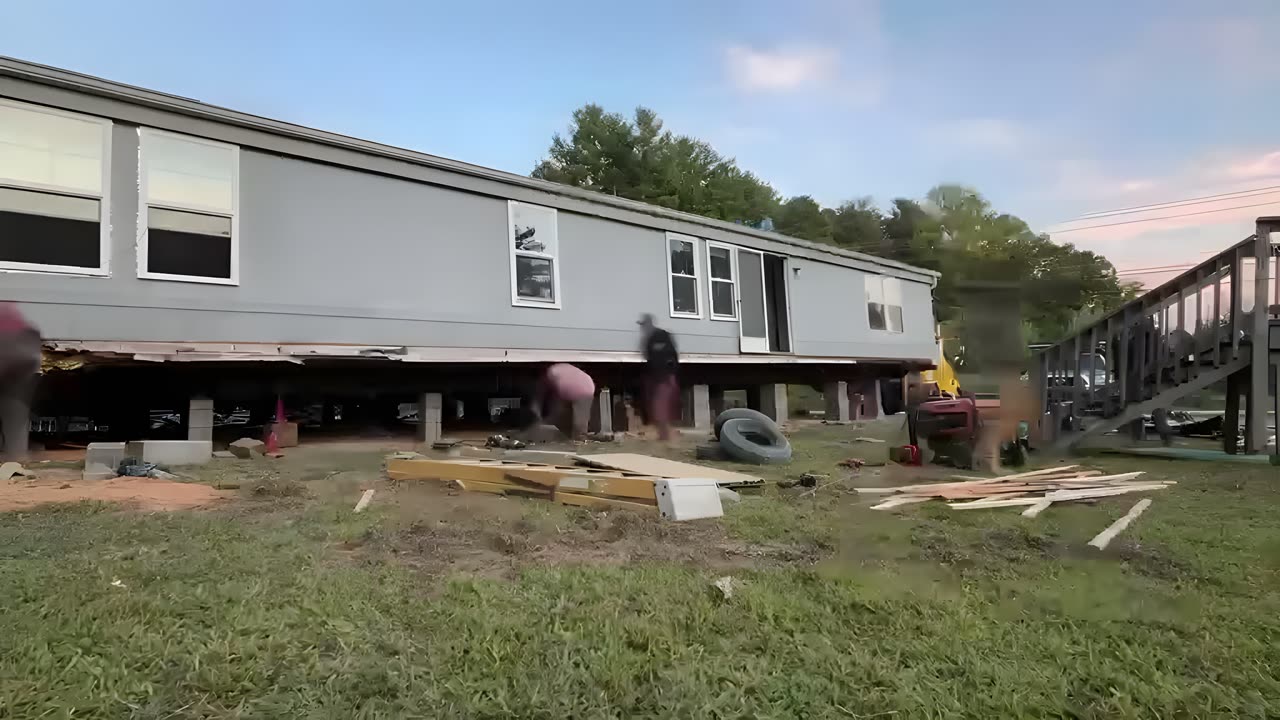
Two outcomes for a Sylva lot: roll it out or take it apart
Most of the manufactured homes along Scotts Creek and on the ridge roads feeding off US-23/74 into Sylva were placed when the land was cheaper and the units were newer. Thirty years later, the question is not whether to remove the unit but which removal path it can still take. A single-wide with sound frame rails and intact axle mounts can be permitted, pulled, and delivered to another Jackson County parcel or a buyer willing to take it. A double-wide that has been sitting on blocks for fifteen years with floor rot in the rear section is coming out in a dumpster, not down the highway.
The condition assessment drives everything else: permit type, crew size, cost range, and whether you need a full demolition and removal approach or a transport one. Slope access matters more here than in most North Carolina counties. A narrow gravel driveway that switchbacks off a secondary road is a real obstacle for a 14-foot-wide tow load, and the site visit that answers the access question is the same one that answers the condition question. Do both before agreeing to any scope.
The Jackson County price picture
Removal cost in Jackson County moves with three variables: unit size, condition, and site difficulty. A well-maintained single-wide on a flat lot with good road access lands at the low end of the range. A deteriorated double-wide on a steep slope with septic disconnection adds labor and disposal line items that push it toward the top. See the full NC removal cost breakdown for the wider statewide context. The figures below reflect typical market ranges for this area.
| Scope | Typical Range | What moves the number |
|---|---|---|
| Single-wide, haul-off intact | $3,000 – $5,500 | Road access, axle condition, permit fees |
| Single-wide, demolition and disposal | $4,000 – $7,000 | Hazmat testing, debris volume, dumpster count |
| Double-wide, haul-off intact | $6,000 – $10,000 | Separation labor, two-section permits, escort costs |
| Double-wide, demolition and disposal | $9,000 – $15,000 | Debris volume, asbestos abatement if required, site clearing |
| Pad clearing and grading | $500 – $2,500 | Block removal, soil condition, planned next use |
Any haul-off that uses a public road in North Carolina requires an oversize/overweight permit under NCDOT Publication MH-2. The permit fee is typically modest, but routing restrictions — bridge weight limits on Jackson County's secondary mountain roads — can add significant distance to a move that looks straightforward on a map.
The paperwork sequence before anyone picks up a wrench
Jackson County Permitting and Code Enforcement requires a land development permit before demolition or removal begins. That review covers three things: an approved sewage disposal method (the existing system must be properly abandoned or its status documented), a utility letter when a community water or sewer system serves the lot, and zoning sign-off if the parcel falls inside a zoning district. Sylva, Dillsboro, Webster, and Forest Hills each administer their own zoning requirements — a parcel inside any of those municipalities follows the town's process, not the county's.
The title question runs parallel and matters just as much. A manufactured home titled as personal property carries a motor vehicle title with the NC DMV. Before the unit moves, that title must transfer or be surrendered, and NCGS Chapter 105, Article 18 requires a tax-paid moving permit from the county tax collector confirming property taxes are current. Skipping that step can leave a tax lien running on a lot that no longer has a home on it.
For any removal involving asbestos-containing materials — units built before the mid-1980s are the primary concern — the U.S. Environmental Protection Agency sets the notification and disposal requirements that licensed contractors must satisfy before demolition begins. Testing typically precedes any mechanical teardown.
Slope anchors, the storm record, and safe disconnection
Jackson County sits in HUD Wind Zone I under 24 CFR 3280.305, the lowest of three wind-load classifications for manufactured housing. That designation reflects the county's position in the western mountain interior rather than coastal exposure, and it governs how units were anchored when installed. A Zone I setup typically uses over-the-top straps or frame ties driven into soil anchors. On the steeper lots above Sylva, some installations added anchor weight to resist downhill movement in addition to wind lift. Knowing the anchor type and condition before the crew arrives is part of the pre-removal site assessment.
The weather record here is real. Jackson County has seen 17 federally declared disasters spanning 1973-2026, including hurricanes in 2020, 2021, and 2023, a tropical storm in 2024, and a winter storm in 2026. Units that sat through those events may carry frame stress, skirting damage, or anchor displacement that is not visible from the outside. The NC Manufactured Housing Board sets the standards licensed contractors follow when disconnecting gas, electric, and water in the correct sequence and securing utility confirmation before any final load moves.
Leaving a clean pad in Sylva
The physical removal ends when the unit leaves the lot, but the job is not finished. Concrete runners, block piers, and tie-down anchors stay behind unless the scope of work explicitly covers removing them. If the lot is being cleared for a replacement manufactured home, those piers may be repositioned rather than pulled entirely. If a new unit is coming in on a different footprint, the old ones come out. That conversation happens before any contract is signed. For bringing a replacement unit onto the lot, see mobile home movers in Sylva NC for setup options on the same parcel.
Utility stub-outs — the electrical meter base, the water service tap, and the septic system cleanout — need to be capped or abandoned according to Jackson County and state code. A meter base left energized after the home is gone is a liability; a septic tank left open is a safety issue. The county permit sign-off documents that those steps were completed, and that record matters when the parcel changes ownership or when a lender evaluates the cleared lot for a construction loan.