Pigeon River valley lots and what setup demands of each one
Canton wraps around the Pigeon River where I-40 and US-19/23 converge, and the lot types in Haywood County run a wide range — from river-bottom flats near the mill to cut benches on the ridges above town and terraced parcels carved into the surrounding slopes. Mobile home installation covers the same sequence on all of them: setting concrete pads, establishing the pier layout, running the blocking and center beam, leveling the frame, installing the tie-down anchoring system, connecting water, sewer, and electrical service, and closing the perimeter with skirting. What changes with the lot is how long each step takes and how much site prep it demands before the home rolls in.
A prepared pad with clean access on flat ground moves through that sequence quickly. A hillside bench with downslope piers that need to run significantly taller, or a site that still needs grading, moves slower and costs more to get right. The full setup and installation overview explains each step in detail; this page focuses on how Canton and Haywood County specifically shape the job.
Site prep, piers, and the leveling question on Haywood County lots
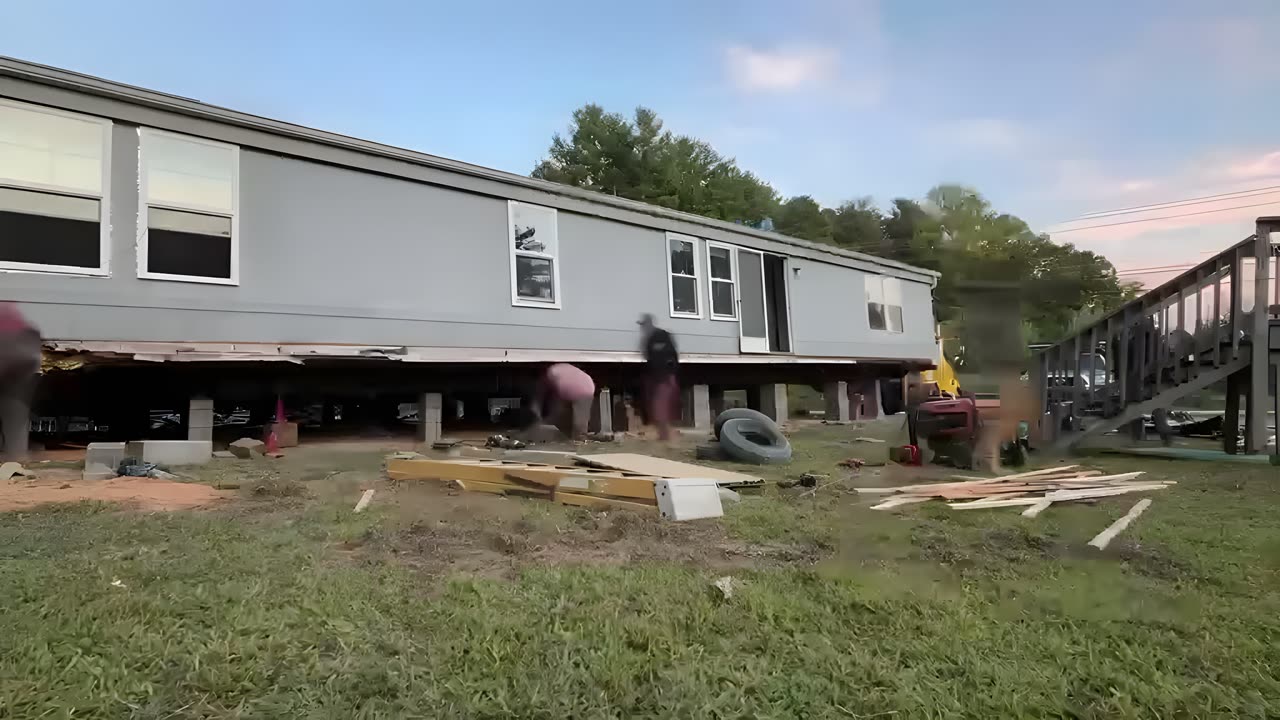
Every installation starts at grade. Concrete pads — sized for the load, set at consistent elevation across the footprint, and placed on stable ground — need to land right before anything else goes up. On valley lots near downtown Canton that work is typically straightforward. On hillside sites above town where fill was used to create a usable pad, the soil picture is more complicated. Settlement after the first winter is not uncommon on those lots, which is why leveling adjustments after installation exist as their own service.
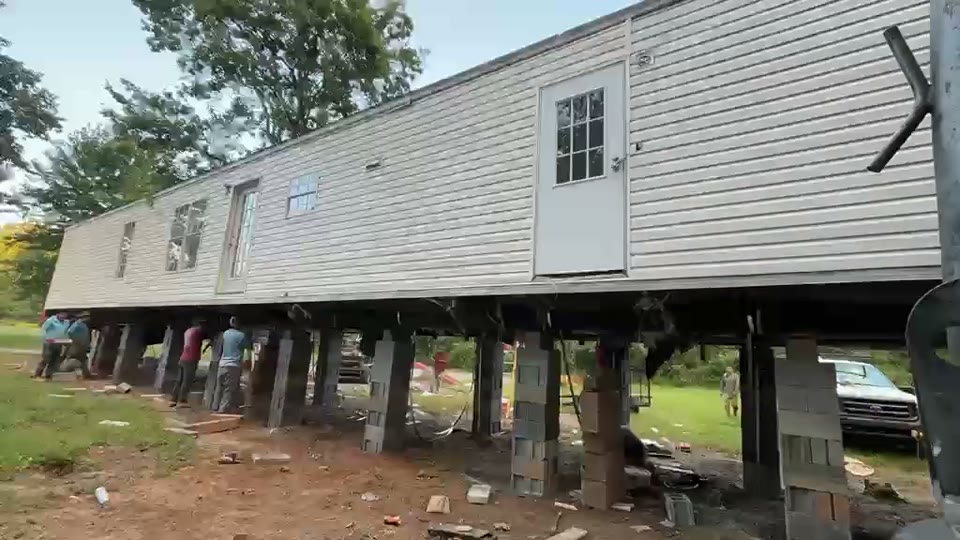
Pier height variation across a sloped lot is the other factor. The NC Manufactured Housing Board sets standards for blocking configurations, pier spacing, and load-path requirements that apply to every setup in North Carolina. On a lot with meaningful grade change from front to back, the blocking on the low side can reach heights that require additional bracing and closer pier spacing to meet code. Leveling to tolerance means the frame sits plumb enough that doors latch, floors don't pitch, and the vapor barrier makes full contact underneath. A floor that bounces or a door that stopped closing is worth checking — it usually points to a settled pier, not a structural failure, and the fix is straightforward when caught early.
Wind zone anchoring and what Zone I requires in Haywood County
Haywood County falls in HUD Wind Zone I under 24 CFR 3280.305. Zone I is the baseline anchor standard for manufactured homes and covers most of interior North Carolina. It defines the minimum anchor count, strap angle, and soil embedment depth for a properly secured home. The anchor system is not optional: a home installed without it will not pass the inspection required before a certificate of occupancy is issued, and the HUD Office of Manufactured Housing Programs sets those federal installation requirements that every NC installer must meet.
The anchor count and layout depend on the home's dimensions and roof configuration, not on a single county-wide rule. A single-wide on a flat valley lot and a double-wide with ridge exposure above town both sit in Zone I, but their anchor specifications differ. For lots where terrain or hillside exposure raises questions about the standard layout, an engineering review before installation is worth the time.
Haywood County's storm record makes the anchoring question concrete rather than theoretical. The county's recent federal disaster history includes three hurricanes (2020, 2021, and 2023), a tropical storm in 2024, and a winter storm in 2026. The full federal declaration record for the county spans 19 declared events over 1973-2026. Homes that were properly anchored and set to code came through those events differently than those that were not.
The Canton price picture
The full NC cost breakdown carries statewide context; the ranges below reflect typical market conditions around Canton and Haywood County. Site conditions are the main cost driver within each range.
| Scope | Typical Range | What moves the cost |
|---|---|---|
| Single-wide set (pads, piers, blocking, leveling, anchoring) | $1,500 – $3,000 | Pier height, slope, lot access |
| Double-wide set (same scope) | $3,000 – $6,000 | Width, anchor count, hillside exposure |
| Site grading and pad preparation | Quoted separately | Cut vs. fill, slope severity |
| Utility connections (water, sewer, electric) | Quoted separately | Distance to infrastructure, hook-up type |
| Skirting (vinyl, metal, or concrete block) | Quoted separately | Perimeter length, material choice |
Utility connections and skirting are separate line items from the set fee in most Canton-area quotes. Getting each phase priced out individually makes it easier to compare bids and understand where the money is going.
Utility connections and finishing the perimeter
After the home is leveled and anchored, utility hookups move the job toward occupancy. Water service, sewer tie-in or septic connection, and the electrical hookup each follow their own permit track. The electrical work must meet NC Building Code Council requirements for manufactured homes, and the inspector who signs off on the installation checks that the service entrance and wiring meet current standards — not just what was code when the home was built.
Skirting closes the gap between the bottom of the home and the grade. It keeps out animals and moisture, improves the home's thermal performance, and gives the installation a finished appearance. Material options in the Canton market typically run to vinyl, metal, and concrete block. Block skirting is more durable on Haywood County's hillside lots where drainage can undercut lighter materials over time; vinyl is faster to install and easier to access for plumbing work underneath.
Permits before the truck rolls
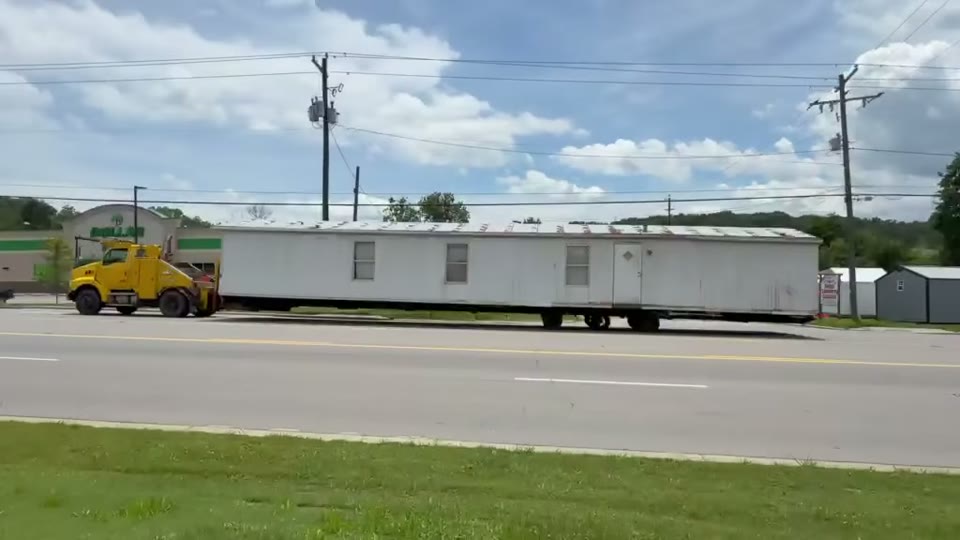
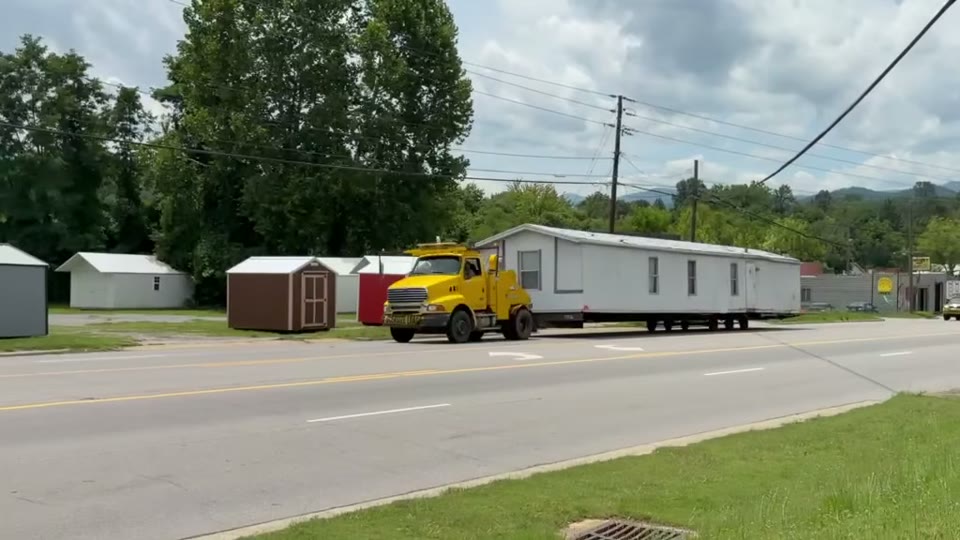
Mobile home installation in North Carolina involves permits at more than one level, and the sequence matters. Before the home moves, the transporter needs a permit from NCDOT under Publication MH-2, which covers the oversize load requirements for moving a manufactured home on public roads. The home must also carry a tax-paid status under NCGS Chapter 105, Article 18, the tax-paid moving permit, confirming that no outstanding property tax prevents the move.
On the receiving end, Haywood County requires a building permit for the installation itself. The county permit office sets the requirements for site plans, setbacks, and inspections — their process was not verified for this page, so call the county permit office directly before booking transport to confirm current requirements and lead times. Starting that call early prevents the delays that arise when a permit takes longer than expected and the truck is already scheduled. Once the home is set and passes inspection, the certificate of occupancy closes out the permit sequence.