Valley lots between the river and the ridge
Swannanoa runs east from Asheville NC along a narrow corridor where US-70 and I-40 track the Swannanoa River toward Black Mountain. The valley floor has held manufactured homes for generations — some placed on concrete runners before the river last flooded, some well-maintained, some that have not moved since they were originally set. When a landowner needs that lot cleared, the first question for mobile home removal in Swannanoa NC is not who to call but whether the structure can still travel.
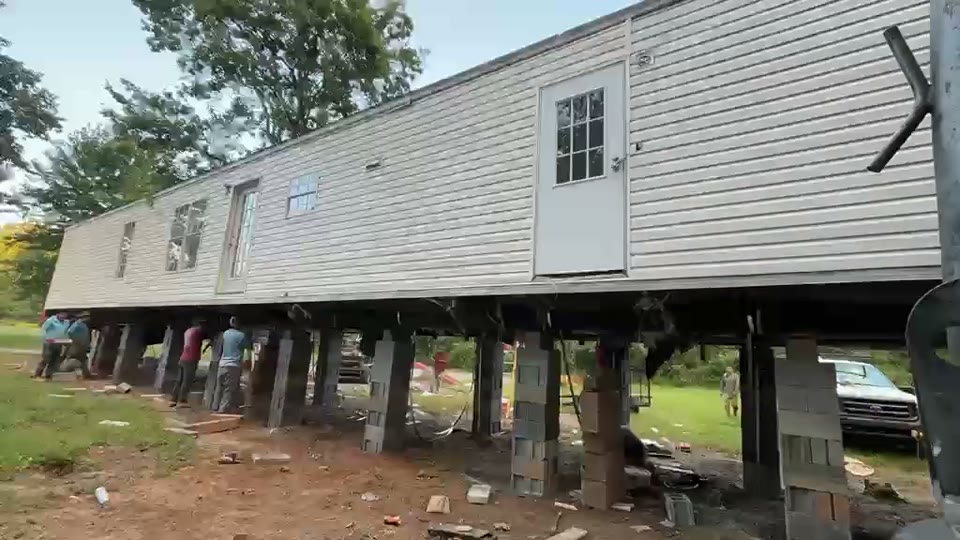
A home that rolled in twenty or thirty years ago may have developed rot in the floor decking, rust through the chassis, or frame damage from repeated wet seasons. One that has been kept up, or is newer, can sometimes leave the lot intact and find a second site. The Swannanoa moving service page covers what a live relocation requires. When transport is not realistic, the job becomes demolition and haul-off: different permits, different costs, and a different finish line for the lot.
Roll-out versus on-site demolition
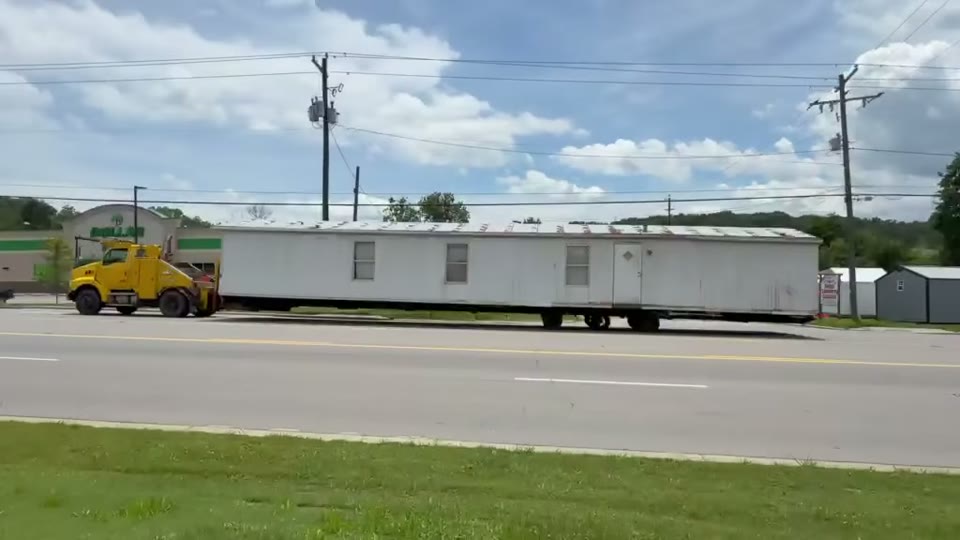
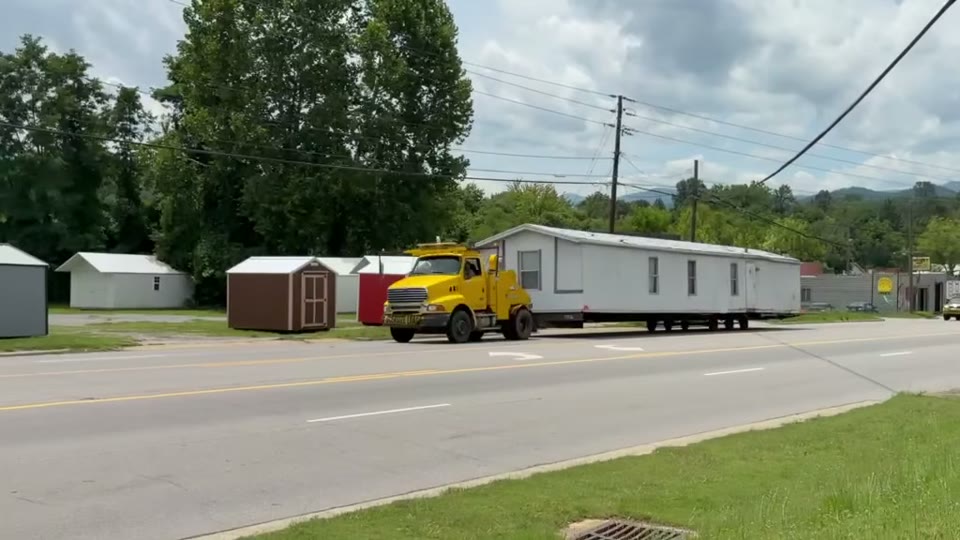
Homes that can still travel leave under an oversize-load permit from the state. NCDOT Publication MH-2 governs mobile and modular home moves in North Carolina, setting dimension limits, route clearance requirements, and escort rules. On valley-floor lots where utility lines cross close to the road, the crew has to verify overhead clearance before scheduling a move date. US-70 between Asheville NC and Black Mountain handles routine oversize loads, but private driveways and side roads with low-hanging service drops can stop a move before it starts.
When the structure stays and gets taken apart, materials split into three streams: metal framing and aluminum siding go to scrap recyclers, dimensional lumber may be salvageable, and roofing and insulation go to a permitted construction and demolition landfill. Homes built before the mid-1980s may contain asbestos in floor tile, duct tape, or roofing material. A hazmat survey before demolition is standard practice, not an optional add-on, and abatement must follow federal handling rules. The full scope of what on-site demolition involves is covered at the demolition and removal page.
What removal typically costs on this corridor
Prices around Swannanoa track three variables: whether the home rolls off or gets demolished in place, the size of the structure, and what access and site conditions the crew encounters. The statewide cost breakdown has county-level context; the table below covers the scope lines that come up most often on valley-floor lots.
| Scope | Typical Range | Notes |
|---|---|---|
| Single-wide — haul off intact | $3,000–$5,500 | Accessible lot and clear route assumed; NCDOT oversize permit required |
| Single-wide — demolish and remove | $3,500–$7,000 | Debris removal included; asbestos abatement is a separate cost if found |
| Double-wide — haul off intact | $6,000–$10,000 | Two-section moves add escort and route coordination costs |
| Double-wide — demolish and remove | $8,000–$15,000 | Larger debris volume; tipping fees vary by material class |
Jobs at the top of these ranges typically involve difficult lot access, soft or flood-affected ground, or asbestos abatement. The storm record on this corridor is real: Buncombe County has seen 19 federally declared events over 1973-2026, including Hurricanes in 2020, 2021, and 2023 and a Tropical Storm in 2024. Valley-floor homes that took repeated flood exposure often require additional preparation before they can be moved or safely demolished.
Permits, title, and utilities before the crew arrives
Buncombe County Permits and Inspections handles manufactured-home removal permits for unincorporated Swannanoa lots. Inside Asheville NC or Black Mountain town limits, those municipalities run their own permitting offices. Regardless of which office issues the permit, the application typically requires proof that water and sewer services are properly handled: a utility letter from the Metropolitan Sewerage District of Buncombe County, a county well and septic authorization, or documentation that connections have been capped before work begins.
Title disposition runs parallel to the permit. A manufactured home titled as personal property carries an NC DMV title that must be surrendered or transferred when the home leaves or is destroyed. A home whose title has been retired to real property is recorded at the Buncombe County Register of Deeds, and that record needs to be updated accordingly. When the home relocates rather than being demolished, a tax-paid moving permit under NCGS Chapter 105, Article 18 travels with it. Skipping the title step creates a cloud that slows any future sale or new placement on the lot.
Contractors performing setup and installation work on manufactured homes in North Carolina are subject to oversight by the NC Manufactured Housing Board, which sets licensing requirements for this work. Asking any crew for their license class before signing a contract is standard due diligence.
The lot after removal — what a clean pad actually means
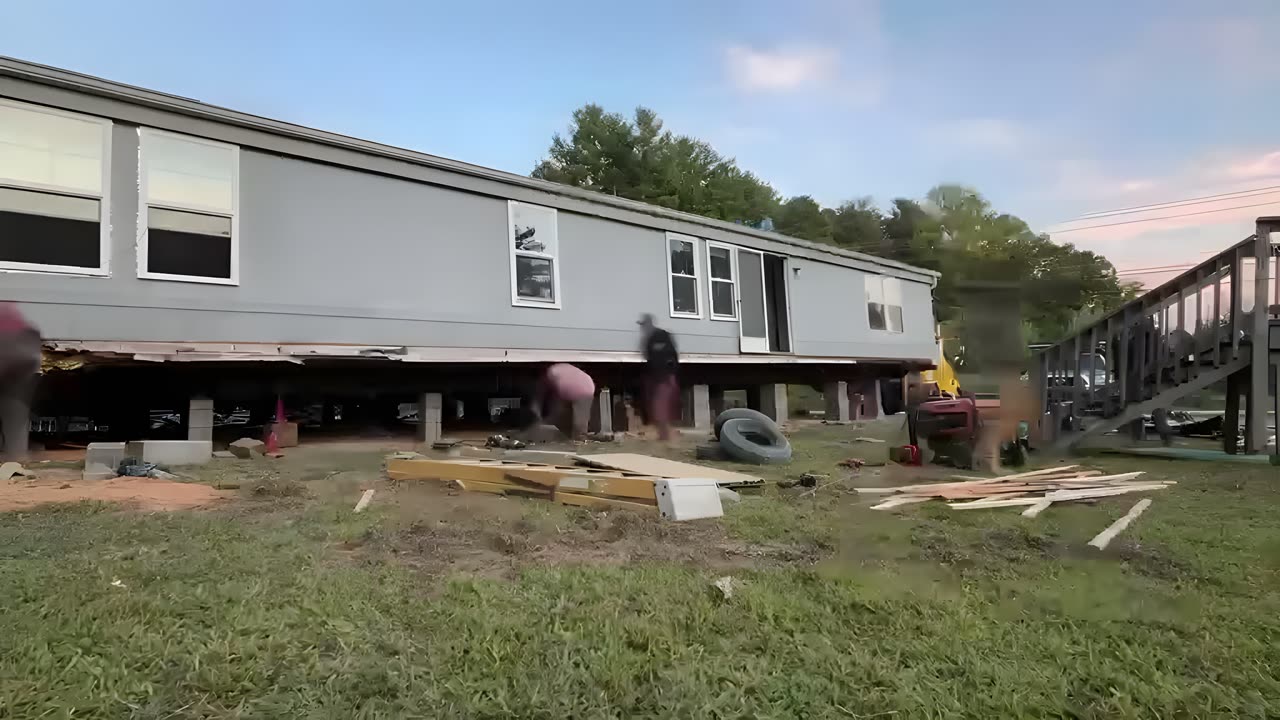
A complete removal leaves a graded, clear pad with capped utilities and no debris. On Swannanoa valley lots, that condition matters beyond appearance: flood-zone properties require any new placement to meet current elevation and anchoring requirements, and the county inspection for a new home goes faster when the site arrives clean. Buncombe County falls in HUD Wind Zone I under 24 CFR 3280.305, which sets the minimum tie-down and anchoring standard for any manufactured home placed here. A new home going onto the cleared lot will need a setup permit and an anchoring inspection before occupancy is allowed.
Sellers clearing a lot for sale should document the permit closure and utility disconnections; buyers and their lenders will ask for those records. Owners planning to place a new home right away should coordinate the removal and setup schedules so the pad and foundation inspection happens in one sequence. Anyone still weighing removal against relocation can start with the cost comparison at the NC removal cost page before committing to either path.