Two paths off a Marion lot
Marion is the county seat of McDowell County, a small mountain city where I-40 drops out of the Blue Ridge grade at Old Fort and runs west toward Lake James and the Catawba River valley. The manufactured housing stock here includes older single-wides on hillside parcels, double-wides on county road frontage, and homes on land that has been in families for generations. When one of them needs to come off a lot, the first question is not how much it costs — it is whether the home leaves in one piece or comes apart on site.
A home that can still travel goes to a buyer, a dealer, or a new location, and the removal is a transport job. A home with rotted chassis rails, a poured perimeter that traps the frame, or structural damage from years of moisture exposure comes down in place — that is a demolition scope, not a moving scope. Getting that answer right before a crew shows up determines the permit path, the cost range, and how long your lot stays tied up before you can move forward with whatever comes next.
Rolling it out: the transport permit and what it covers
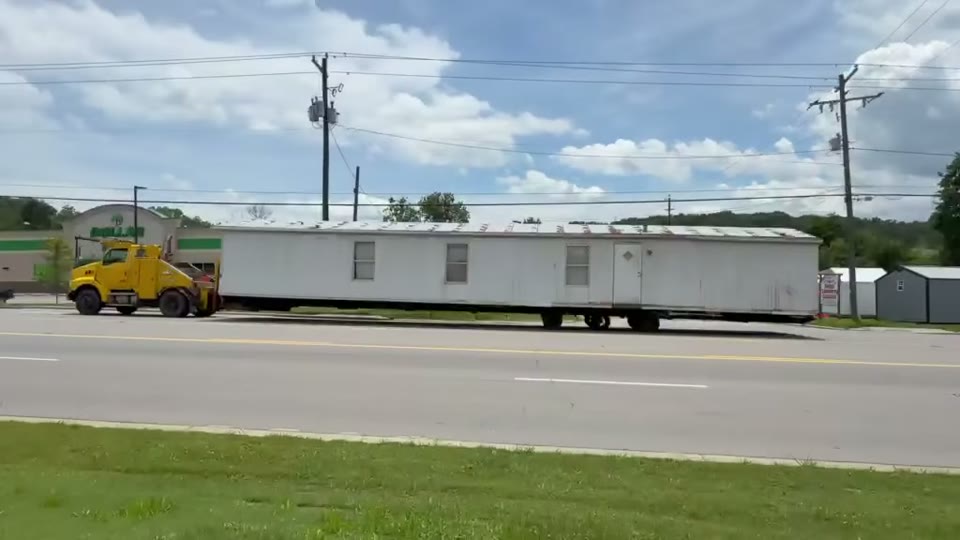
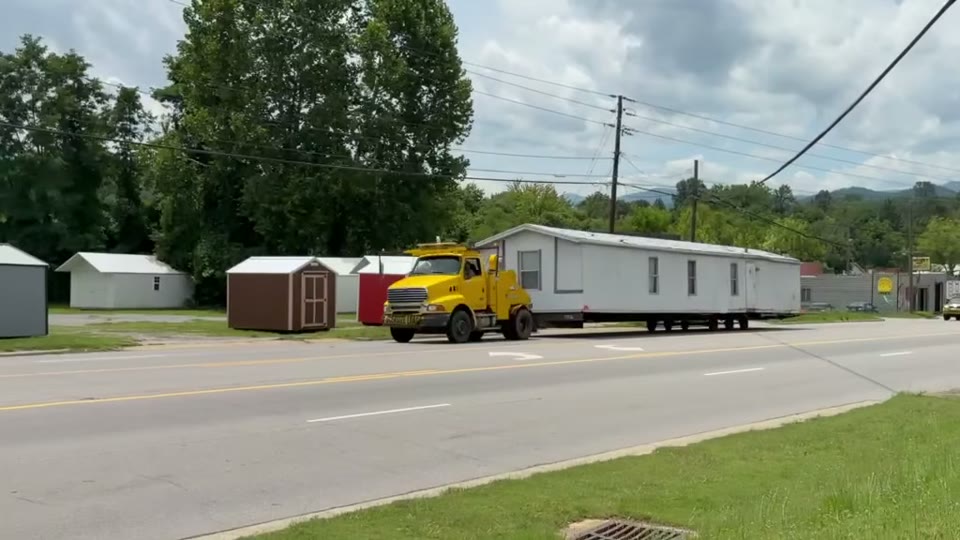
When a Marion-area home is structurally sound and ready to move, it goes out on a truck under NCDOT's oversize-load rules for manufactured homes. The state publishes those requirements in Publication MH-2, which covers permitted travel windows, route restrictions, and escort requirements based on the home's width and the roads it crosses. The mover files the permit, but reviewing MH-2 before signing a transport contract tells you what restrictions your specific move carries — a wide double-wide on US-221 has different requirements than a narrow single-wide on a local county road.
McDowell County falls in HUD Wind Zone I under 24 CFR 3280.305, the standard that governed the original tie-down and anchoring specification when the home was built. A receiving site in a different wind zone will require different setup hardware on the other end, which is something the transport contractor needs to know before quoting. If the home is relocating to another McDowell County lot rather than selling out of county, the Marion mobile home movers page covers what to review with a transport crew before move day.
When the home cannot travel
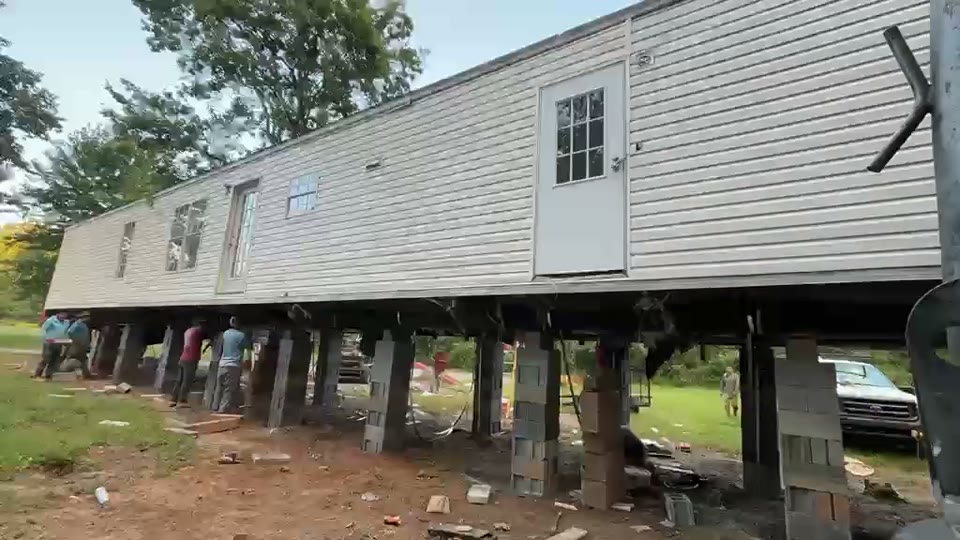
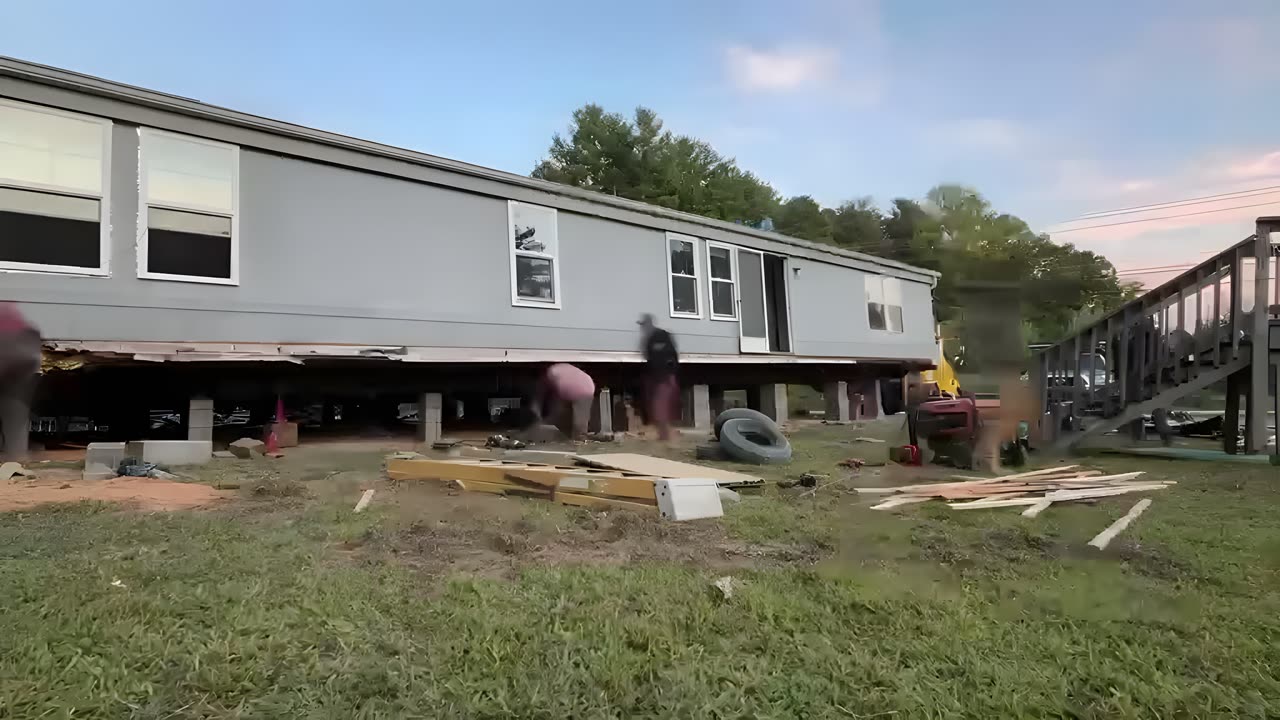
Homes on Marion-area lots that have sat through the county's run of recent storms may have chassis rust, subfloor rot, or structural compromise that no transport company will accept. When a condition inspection confirms the home cannot safely travel, demolition becomes the scope, and the sequence is different from a haul-off in nearly every respect.
Homes built before 1978 frequently contain asbestos-containing materials in floor tile, roofing, and siding, and may have lead-based paint on interior and exterior surfaces. The EPA requires testing and certified abatement before any mechanical demolition on a structure that may contain these materials. A contractor who skips that step creates shared legal and health exposure for the property owner. After hazmat clearance, the structure comes down in sections; metal is separated for recycling or scrap, and remaining debris goes to a licensed disposal facility. What the site looks like after the work — bare slab, block foundation, or graded dirt — needs to be specified in the removal contract before the job starts, not negotiated after the structure is already down. The full process is detailed on the mobile home demolition and removal page.
What removal costs in McDowell County
Around Marion, removal pricing turns on three variables: whether the home hauls off or is demolished, its size, and what the scope says about the slab and site once the structure is gone. The ranges below reflect typical market rates for McDowell County jobs; the NC mobile home removal cost guide shows how these figures compare across the state and what pushes a job toward the high end.
| Scope | Typical Range | Main Cost Driver |
|---|---|---|
| Single-wide haul-off (transport only) | $3,000 – $5,500 | Route permit complexity, distance to receiving site |
| Double-wide haul-off (transport only) | $6,000 – $10,000 | Section handling, escort vehicle requirements |
| Single-wide demolition and debris removal | $3,500 – $7,000 | Hazmat assessment, disposal fees, site access |
| Double-wide demolition and debris removal | $7,500 – $15,000 | Volume, recycling split, whether slab is included |
| Slab removal and grading (add-on scope) | $1,200 – $3,500 | Slab thickness, fill material required |
The slab line is a common add-on that does not appear in a base removal quote unless you ask for it. Lots near Lake James and along lower county roads can also carry access surcharges — a steep gravel drive or a tight rural approach affects equipment cost in ways a phone estimate cannot always anticipate.
Permits, title, and the tax clearance before move day
McDowell County recorded 524 permitted manufactured home installations and moves between 2019 and 2026. The county permit office is the right authority on current removal requirements — call before scheduling any equipment. Steps and fees change, and what applied to a neighbor's removal two years ago may not match today's process. Do not rely on secondhand accounts.
Two state-level requirements apply regardless of what the county asks for. First, any manufactured home that needs to be relocated must go through the records process governed by the NC Manufactured Housing Board. If the home has been converted to real property — affixed to land and carried on a mortgage — the title process is more involved and needs to be resolved before a mover is ever scheduled. Second, North Carolina law requires a tax-paid moving permit before any manufactured home is relocated; that requirement comes from NCGS Chapter 105, Article 18, and the county tax office issues it once taxes are confirmed current. A home that leaves a lot without that clearance creates a lien problem for the seller and a paperwork problem on the receiving end.
McDowell County's weather record adds a practical layer to any condition assessment. The county has seen federal disaster declarations for hurricanes in 2019, 2020, and 2023, a tropical storm in 2024, and a winter storm in 2026 — 19 declared events across 1973-2026. A home that sat through multiple storm cycles may have frame rail corrosion or footing compromise that is not visible from a walk-around. A contractor who inspects under the home before quoting gives you a locked scope; one who estimates from the curb gives you a number that can change on move day.