Your four options, in order of what you will likely recover
Buncombe County's hollows and ridge-side parcels hold manufactured homes that have run their course — aged past repair, sitting on land needed for something else, or left damaged after one of the mountain storms that push up the French Broad Valley every few years. Before calling anyone, the path out forks four ways, and the right one depends on the home's condition, whether the HUD certification label is still on the unit, and whether the title is clear.
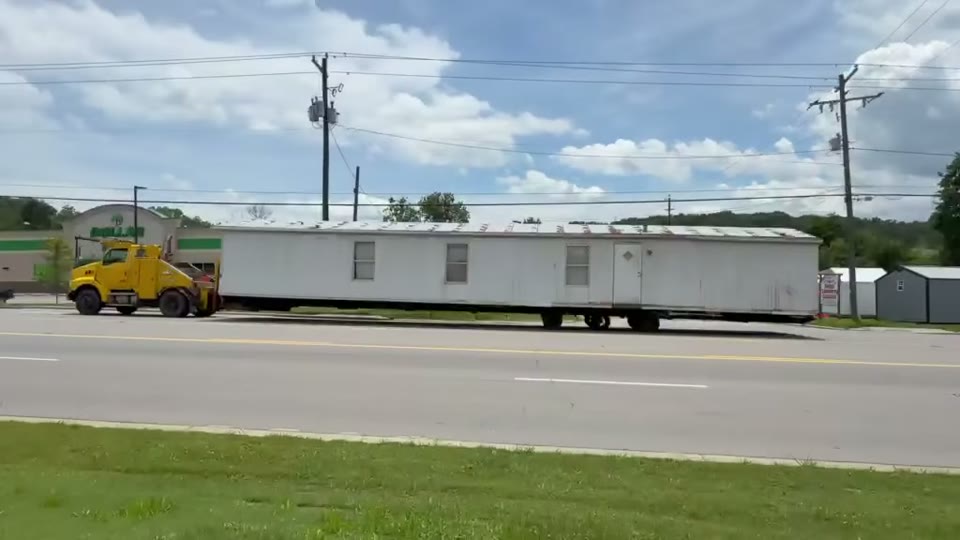
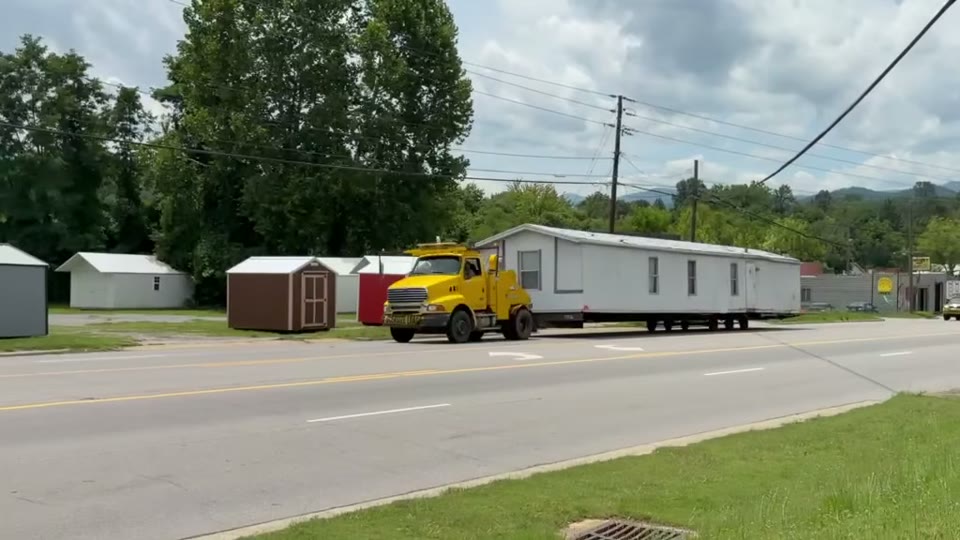
Sell it to be moved. If the home is structurally sound and the original HUD certification label is still attached, a buyer can purchase and relocate it. The HUD Manufactured Housing program requires that label for any home claiming federal compliance; buyers and lenders will ask for it. A NCDOT oversize move permit is required for any road move — the state's Publication MH-2 covers what that process entails. The buyer typically absorbs moving costs; you may need to offer a modest price concession, but the home leaves at little or no direct cost to you.
Give it away. For homes that can still move but will not support a paid transaction, a free listing with the condition that the recipient handles all hauling and permit costs gets the home off your lot at no expense to you. Facebook Marketplace and Craigslist both carry active listings in the Asheville NC market. The same title and tax steps apply as with a sale.
Scrap it. A manufactured home's steel frame, aluminum siding, and copper wiring hold recoverable value even when the structure itself is beyond saving. See the NC scrap value guide for what materials typically yield in this market. Homes built before 1980 may contain asbestos-wrapped ductwork or pipe insulation, which changes the demo sequence and the cost before any scrapping can begin.
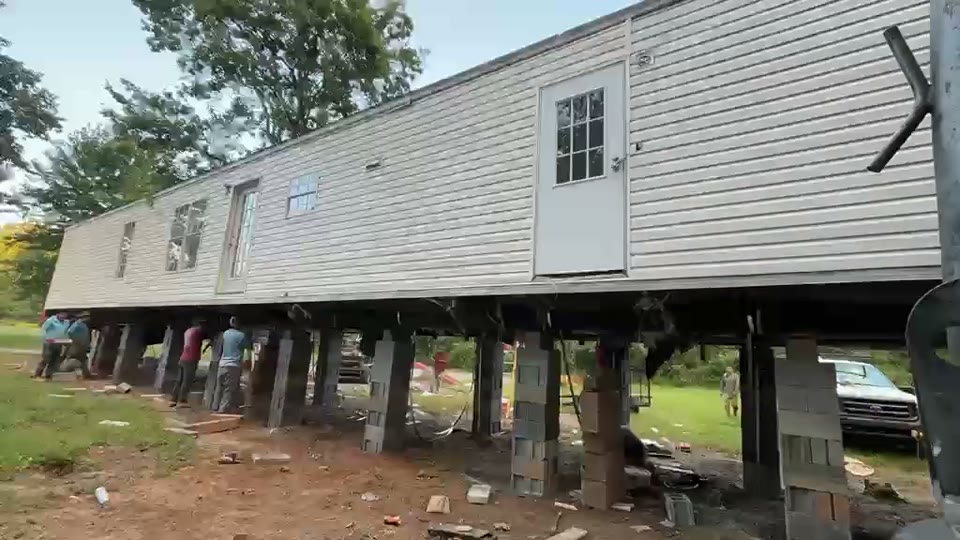
Demolish and haul. When the home is too far gone to move or scrap profitably, full teardown and disposal is the endpoint. Buncombe County requires a demolition permit; what drives the full cost is covered in the demolition and removal guide.
Title release and the tax-paid permit NC requires
NC will not allow a manufactured home to move — and most counties will not issue a demolition permit — until the title is cleared and any outstanding property taxes are resolved. The governing statute is NCGS Chapter 105, Article 18, which requires a tax-paid moving permit issued by the county tax office before the home leaves its site. Confirm with the Buncombe County tax office that no ad valorem taxes are outstanding before you list or sign any contract.
Manufactured homes in NC are titled as vehicles through the NC DMV until they are affixed to a permanent foundation and the title is retired. If the title is still open — common with homes on leased lots or properties that changed hands informally over the years — the transfer process runs through DMV. If the title was retired when the home was placed on a permanent foundation, you will be working through county deed records instead. A title search before you list or sign a demolition contract saves weeks of delay later.
The NC Manufactured Housing Board, administered by the NC Office of State Fire Marshal, sets the standards that govern manufactured homes in this state, including requirements that apply to relocation and significant repairs. Their rules overlay whatever the county requires, so both levels need to be satisfied before work begins.
What the work costs in Buncombe County
The ranges below reflect typical contractor pricing in the Asheville NC market. Ridge lots above town, steep hollows off Leicester Highway, and bottom land near the French Broad River all create access conditions that affect hauling cost. Full line-item detail is at mobile home removal cost in NC.
| Route | Typical scope | Asheville NC range |
|---|---|---|
| Sell to a mover | Structural check, title transfer, NCDOT permit | $0–$500 out of pocket |
| Give away | Recipient handles haul and all permits | $0 |
| Scrap recovery | Teardown plus steel, aluminum, copper salvage | $300–$1,500 net credit |
| Demolition and landfill | Full teardown, haul, tipping fees | $3,000–$8,000 |
| Demo with hazmat abatement | Asbestos or lead survey and removal before demo | $5,500–$12,000 |
Homes on reinforced concrete pads cost more to demolish than those on pier blocks. Asbestos sampling adds $200–$500 if the home predates 1980 and should be done before you collect any demo bids.
What to document before calling anyone
Three things worth confirming on your own before you talk to a mover, scrapper, or demo crew:
HUD data plate and certification label. The data plate is a paper label inside a cabinet or closet; the certification label (the red tag) is riveted to the exterior near a door. Both establish the year, manufacturer, and HUD wind zone — for Buncombe County, that is Zone I under 24 CFR 3280.305. A home missing both has lower value to prospective movers and may require inspection before it can legally be relocated.
Title status. Pull the VIN from the data plate and check NC DMV to confirm whether the title is still open or was retired when the home was put on a foundation. An open title in someone else's name means that transfer must be resolved before anything else can proceed. An already-retired title means extra steps if the home ever needs to relocate.
Visual hazmat indicators. Pre-1980 construction: assume textured ceilings, vinyl floor tile, and duct wrap may contain asbestos until a sample test confirms otherwise. The EPA requires proper abatement before demolition if asbestos-containing materials will be disturbed. Getting a $200–$400 sample result before you solicit bids avoids a mid-contract cost shock when the demo crew flags it instead.
Storm-damaged and abandoned homes — a harder version of the same problem
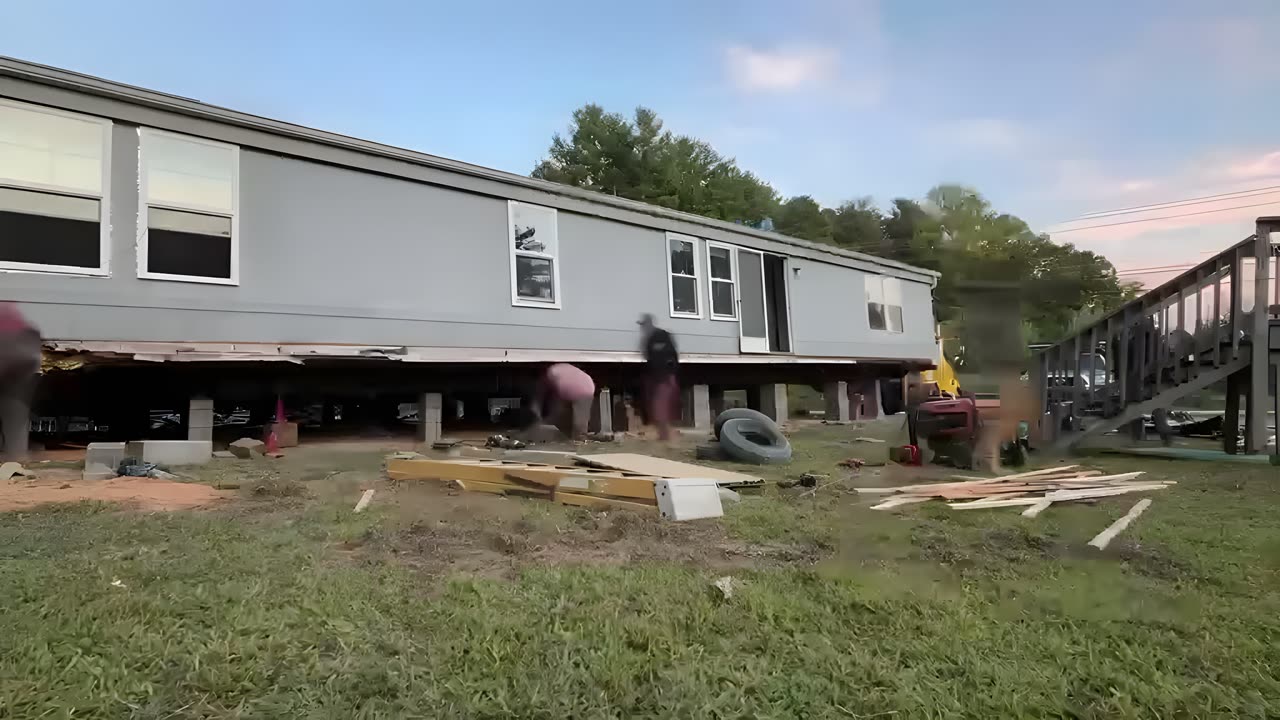
Buncombe County has logged 19 federally declared disasters over 1973-2026 — including hurricanes in 2020, 2021, and 2023, a tropical storm in 2024, and a winter storm in 2026. Manufactured homes on flood-prone bottom land near the French Broad River and its tributaries have taken repeated direct hits; storm-damaged units often have compromised steel frames that make relocation impossible and require a hazmat assessment before demolition can safely proceed.
For genuinely abandoned homes on your property — left by a prior tenant or tied up in a foreclosure — the title and tax situation is identical to a home you own outright: NC does not distinguish ownership origin in the permit process. Clear the title, confirm no taxes are owed, and work through the four options above in order of recovery value. If the abandoned home is on your land but you were not the titled owner of the home itself, consult a real property attorney before taking any physical action; removing a structure that served as someone's legal residence without proper standing carries liability that varies by circumstance.