What a Transylvania County move actually asks of a crew
Brevard is the county seat of Transylvania County, sitting where US-64 and US-276 converge before US-276 climbs toward Pisgah National Forest. Moving a manufactured home here means more than mileage: the county's watershed drains toward both the French Broad and the Davidson rivers, and a wet spring can turn an unimproved access drive from passable to impassable in a day. That same topographic character — the terrain that channels dozens of waterfalls through the county's ridgelines — means manufactured homes often occupy parcels with grades and drainage that would surprise a crew without mountain experience.
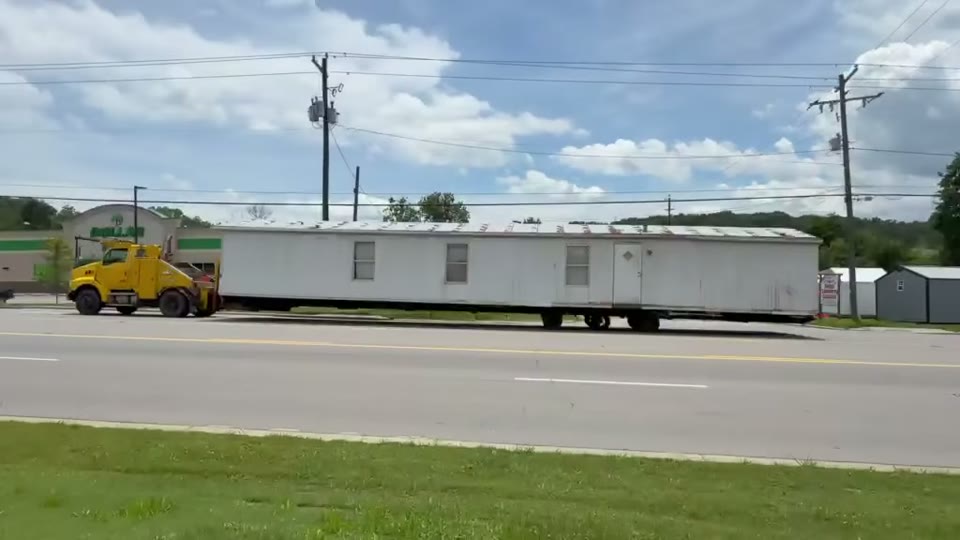
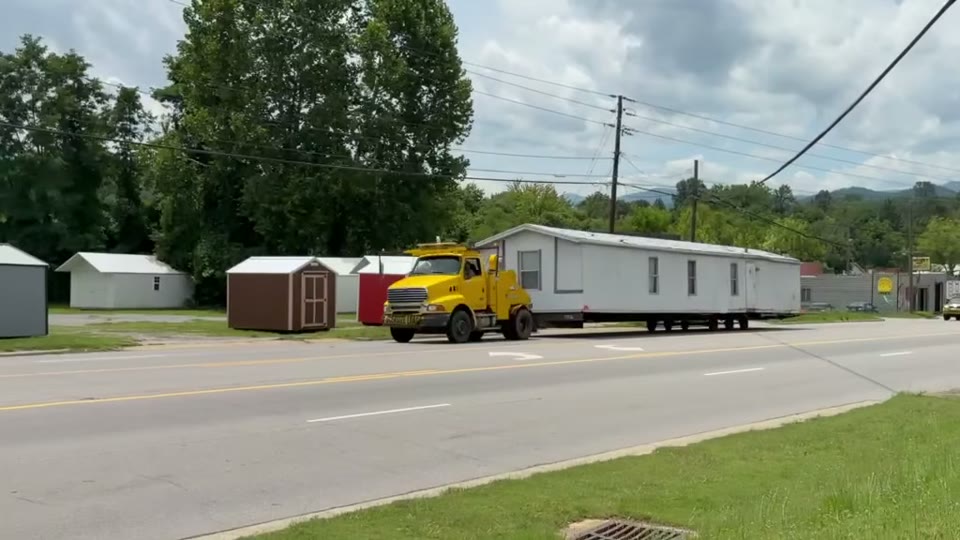
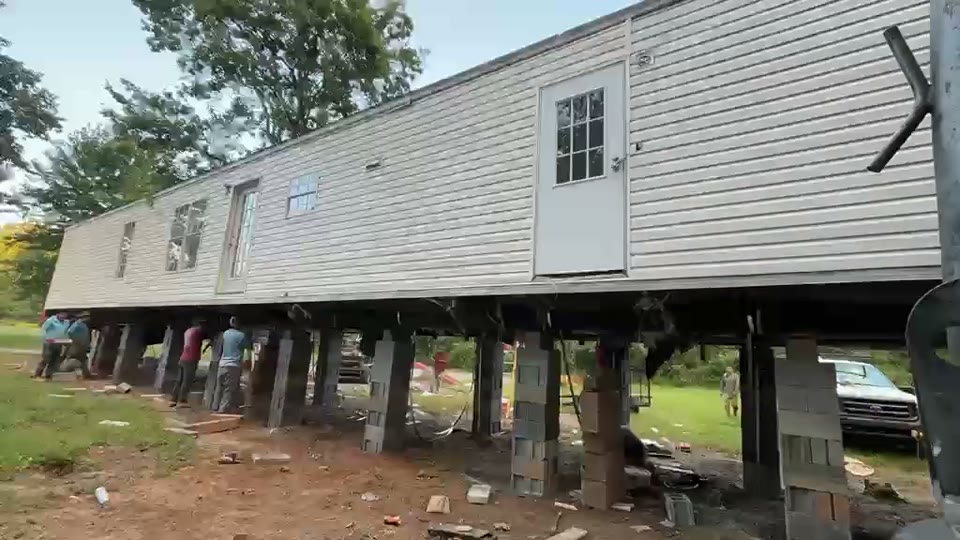
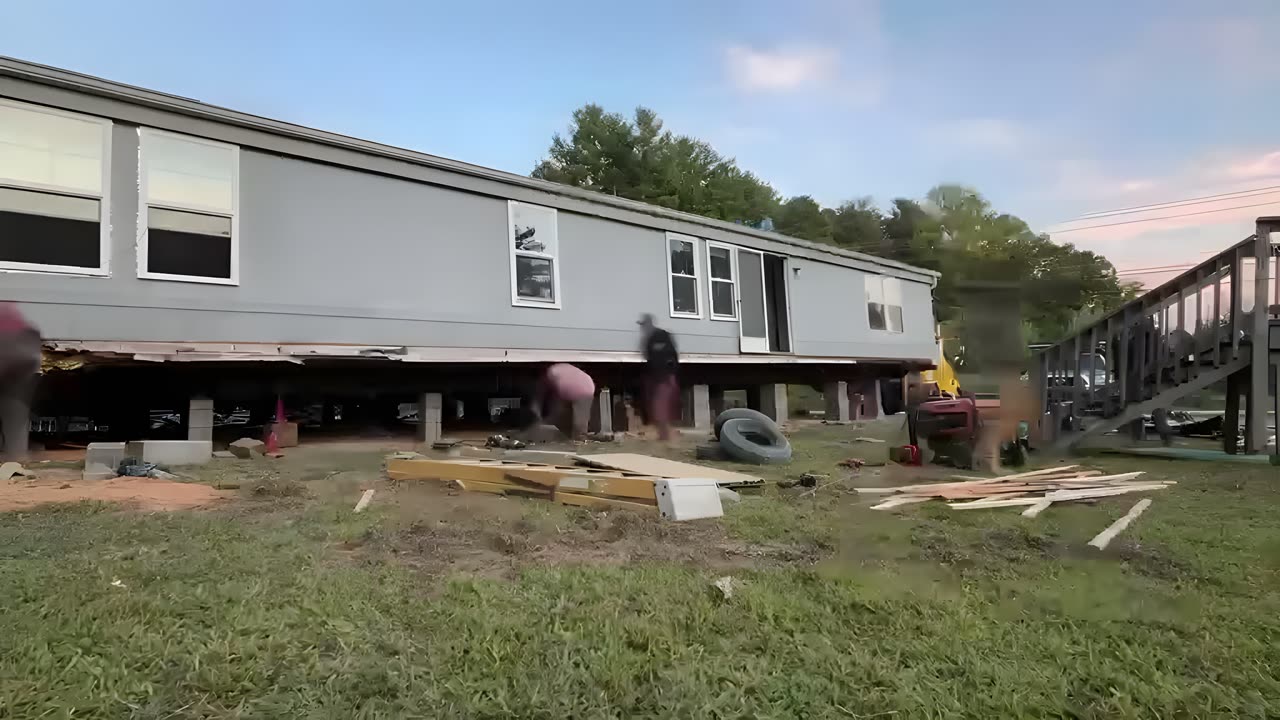
A recent move out of a wooded Transylvania County parcel bound for Etowah illustrated how those variables stack: a steep pull-out on the origin side and clay-heavy soil at the destination lot that needed grading before the first pier block went down. Single-wide transport in this corridor typically runs $3,000 to $8,000; a double-wide runs $7,000 to $15,000, transport only. Grade, distance, and what's waiting at the new lot push a job toward the top of that range. The full cost breakdown for NC mobile home moves shows every line item — transport, setup, permits, and site prep — so you can scope a job before you call anyone.
Route constraints, wet soils, and the permit needed before the truck rolls
Every manufactured home moved on NC roads requires a transport permit from NCDOT. The application is governed by Publication MH-2, available from NCDOT's oversize and overweight permit office, and covers approved routing, escort requirements, and the allowable move window. On US-276 between Brevard and the Pisgah National Forest boundary, utility lines along the shoulder and bridge approach clearances make routing a job-by-job decision rather than an assumption. US-64 east toward Hendersonville handles wide loads more predictably, but unit width still drives the final routing call on either route.
Transylvania County is among the wettest counties in the eastern United States, and that history compounds at the lot level. With 16 federally declared disasters over 1993-2026 — including hurricane and tropical storm events in 2021, 2023, and 2024 — the county's clay subgrade on many rural parcels has cycled through repeated saturation. A crew that has set homes here asks about drainage and soil bearing before quoting setup, because a soft lot costs far more to level correctly than to ignore, and the difference shows up in the floor within two winters. The western NC moving overview covers route planning and lot-prep expectations by terrain type.
The tax-paid moving permit required under NCGS Chapter 105, Article 18 must be in hand before the home leaves its current site. This is a title-clearance step separate from the NCDOT transport permit — missing it creates a chain-of-title problem at the receiving county, not just a road fine.
Transylvania County's permit process for a new placement
Setting a manufactured home on a new parcel in Transylvania County runs through a layered permit process that begins well before the transport date. The county's Manufactured Home Permit Application requires health department septic sign-off — or documented proof of an approved alternative — before the placement permit is issued. A parcel map or survey and a county-assigned address are also required to move the application forward. Those steps belong to the buyer's preparation, not the contractor's, so lot purchasers should confirm septic status before scheduling the move.
State licensing for manufactured home installers is administered through the NC Manufactured Housing Board under the Office of State Fire Marshal. Once setup is complete, the installer — not the county — is responsible for calling in the notification that triggers the inspection. The county does not schedule inspections on its own timeline; the installer's call is the only mechanism. A job that skips that step is technically incomplete under county rules regardless of how the finished work looks on site.
The federal construction and safety standards the home was originally built to are set by the program described at HUD's Office of Manufactured Housing Programs. The state licensing board enforces those standards at installation, and the county inspection verifies they were met.
What a move near Brevard typically costs, scope by scope
The table below covers typical transport ranges for moves originating in or landing in Transylvania County. All figures are transport only; site prep and setup are separate line items that price based on what each lot actually requires.
| Scope | Typical range |
|---|---|
| Single-wide transport, under 20 miles | $3,000–$5,500 |
| Single-wide transport, 20–50 miles | $5,500–$8,000 |
| Double-wide transport, under 20 miles | $7,000–$10,000 |
| Double-wide transport, 20–50 miles | $10,000–$15,000 |
| Site prep: grading, drainage, gravel | $500–$2,500 additional |
| Full setup: blocking, leveling, tie-downs | $1,500–$4,000 additional |
| NCDOT move permit | Varies by route and unit width |
| Tax-paid moving permit (NCGS Ch. 105) | Set by county; typically under $200 |
Slope on the origin lot, soil conditions at the destination, and whether the route requires escorts are what push transport costs toward the top of those ranges. A double-wide move out of Transylvania County that involves a steep private drive on one end and clay grading on the other is a top-of-range job. A single-wide on level ground, under 20 miles, on a well-drained receiving lot, lands toward the lower end.
Blocking, anchoring, and the wind zone that governs this county
Transylvania County falls in HUD Wind Zone I under 24 CFR 3280.305, the standard wind zone for western NC mountain counties. Zone I means the home was built to a specific wind-load standard, and the tie-down and anchoring system installed at the new site must be rated to match. On high-moisture lots near the French Broad and Davidson drainages, anchor augering depth matters more than on stable soil — a licensed installer confirms soil bearing before specifying anchor type and depth rather than applying a flat spec to every job.
Leveling on Transylvania County terrain is the detail that separates a tight setup from one that develops floor bounce within a few seasons. Proper blocking, shimming, and perimeter drainage on a county parcel is a multi-season investment rather than a one-time task. The Brevard mobile home leveling page covers blocking standards, how to read a floor that has gone out of level, and when releveling makes sense before or after a move.
The setup inspection closes out the placement permit. The installer calls in the notification; the county sends an inspector to verify the setup meets the standards administered by the NC Manufactured Housing Board. Until that inspection passes, the placement permit is not closed and the home is not in official compliance at the new site.