What Swannanoa's river valley does to mobile home foundations
Swannanoa sits in a narrow lowland corridor between Asheville NC and Black Mountain, where the Swannanoa River runs close enough to US-70 and I-40 that some manufactured home lots flood from below before they flood from above. The bottom land that makes those lots affordable also compresses slowly under sustained load. Soil that sits at or near the water table for weeks after a heavy storm loses bearing capacity, and the concrete block piers holding a manufactured home respond before the home's owner does.
Buncombe County has recorded 19 federally declared disasters spanning 1973-2026, most of them storm and flood events. Recent declarations have included back-to-back hurricane seasons, a tropical storm, and a winter storm that combined freeze-thaw cycles with saturated ground. Each event nudges pier pads that were already working in compromised soil. On valley-floor lots, settling is not a question of whether — it is a question of how much has accumulated since the last inspection.
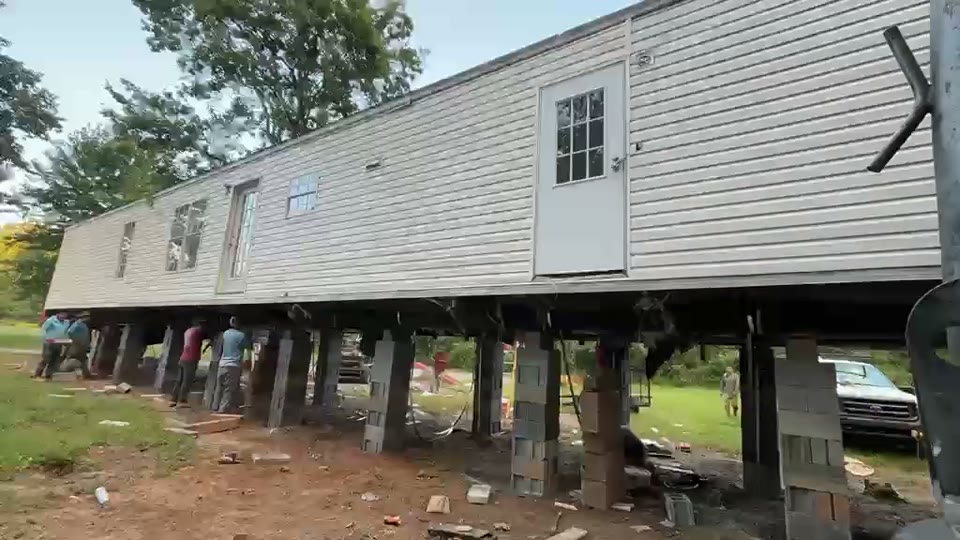
Manufactured homes on pier-and-pad foundations respond to soil movement faster than site-built homes on continuous footings. A pier that drops two inches at one corner tips the entire frame, stresses the marriage line on a double-wide, and puts side-load on windows and doors that were plumb at installation. Catching the problem early narrows it to a leveling job rather than a leveling-plus-repair job.
Reading the signs before the cost goes up
The first sign on most Swannanoa lots is a door — usually interior, often between the living room and a bedroom — that swings freely but no longer catches the latch. That is the frame talking. The threshold on one side has dropped relative to the other, and the door frame has racked just enough to pull the strike plate out of alignment.
After that, look for floors with a visible slope from one end of the home to the other; gaps between the bottom edge of the skirting and the ground at one or two corners while the opposite corners sit flush; cracks running along the interior seam of a double-wide (the marriage line is where frame stress concentrates first); and windows that sealed tight a year ago but now admit cold air at one corner. Any one of these on a river-adjacent lot warrants a closer look.
None of these signals mean the home is unsafe to occupy today. All of them mean the settling will continue. Original installation piers on older Swannanoa lots were often set on standard concrete blocks without a compacted gravel base. Once the pad softens and sinks, the pier above it follows, and the cumulative movement that looked like a sticking door in year two looks like bowed floor joists in year five. An early re-leveling job typically costs a fraction of the structural work it prevents.
Typical scope and cost for Swannanoa lots
The table below covers the three common job types on this corridor. For the full line-item breakdown — pier count, soil prep, anchor hardware — see the mobile home leveling cost NC page.
| Scope | Typical range | What moves the number |
|---|---|---|
| Single-wide re-level, piers intact | $400 – $1,200 | Pier count, shim replacement, anchor re-torque after lift |
| Double-wide re-level, piers intact | $700 – $2,000 | More pier points, marriage-line re-alignment, longer anchor inspection |
| Pier or pad replacement, either width | $2,500 – $5,000 | Sunken or cracked pads, saturated soil requiring base prep, deteriorated blocks |
Lots inside the Swannanoa River flood corridor sometimes need compacted fill or upgraded pads before any pier will hold level through the next wet season — that base prep is a legitimate cost item and not a sign of a dishonest estimate.
How leveling works and what HUD Wind Zone I means on the job
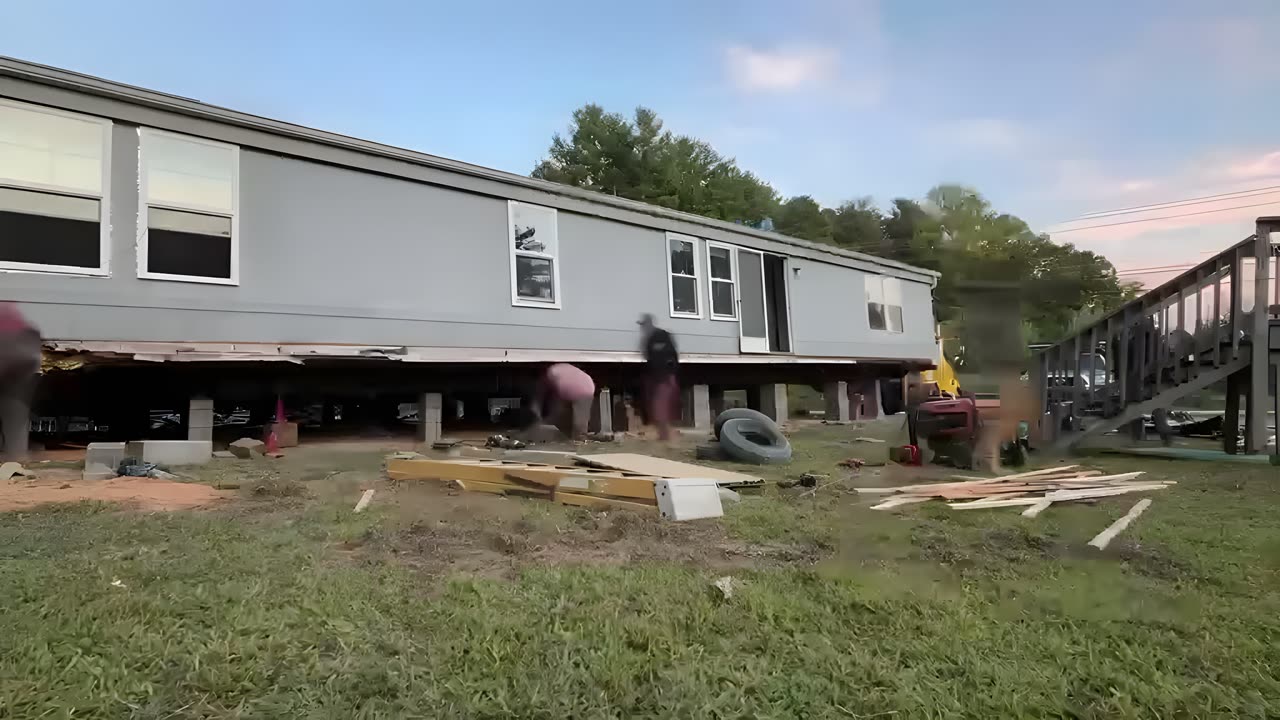
A trained crew uses hydraulic equipment to raise the low sections of the frame incrementally, then shims or replaces the piers and pads underneath until the floor reads level at every measurement point. On valley-floor lots near the Swannanoa River, that often means prepping the bearing surface before resetting the pier — adding compacted gravel or a larger pad — rather than simply re-shimming what has already failed once.
After the frame is level, the anchor and tie-down system must be inspected and re-torqued. Buncombe County falls in HUD Wind Zone I under 24 CFR 3280.305, which establishes the minimum anchor and tie-down standard for manufactured homes installed in this area. A job that leaves the home level but skips the anchor check is not a finished job. The HUD Office of Manufactured Housing Programs publishes the installation standards that govern this work nationwide; the NC Manufactured Housing Board, housed within the NC Office of State Fire Marshal, licenses the contractors who are authorized to perform it in North Carolina. Verify that any crew you hire holds a current board license before work starts.
The mobile home re-leveling guide covers what to expect on the day of the job, including how to verify the anchor inspection was completed before the crew leaves the site.
Permits, jurisdictions, and what to have ready
Re-leveling an existing home in place — lifting, shimming, and re-torquing anchors without relocating the home — generally does not require a new building permit in unincorporated Buncombe County. When work includes replacing foundation components or follows a home relocation, a permit application goes to Buncombe County Permits and Inspections at 35 Woodfin St. in Asheville NC. The application package typically requires water and sewer documentation: a utility letter or meter receipt for homes connected to county water and sewer, or a well authorization and either an MSD approval or a county septic authorization for homes on private systems.
Homes inside Asheville NC city limits or within Black Mountain's town limits go through those municipalities' own building departments rather than county permitting. Swannanoa addresses near either border sometimes surprise homeowners who assume all rural Buncombe County land follows the same process — confirm jurisdiction with the relevant permit office before scheduling any work that crosses the replacement threshold.
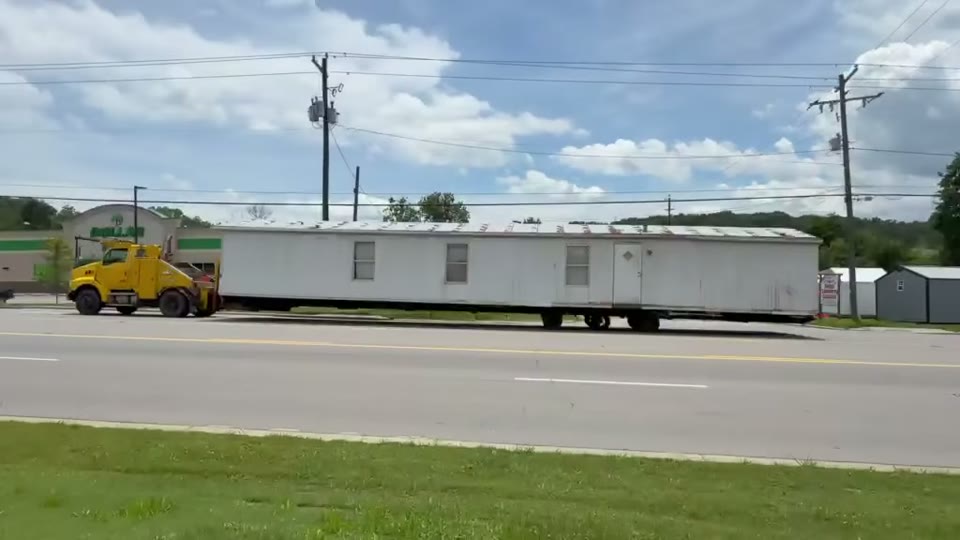
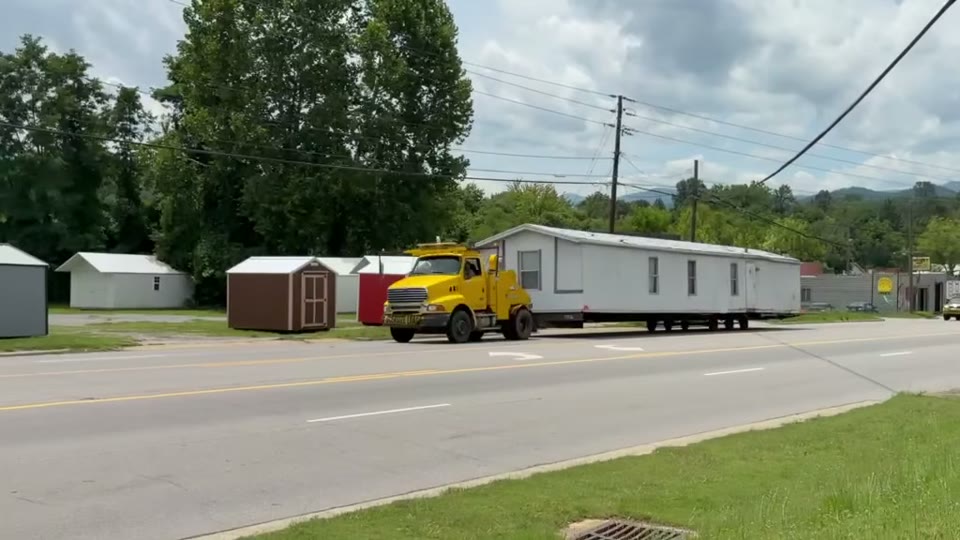
When re-leveling follows a home move, two additional permits must be in hand before the home leaves its current location: an oversize/overweight permit from NCDOT under Publication MH-2, and a tax-paid moving permit required by NCGS Chapter 105, Article 18. Both are the homeowner's responsibility to secure, not the mover's. If you are combining a move with a setup or re-leveling, the mobile home movers Swannanoa NC page covers the transport side of that process.