What Buncombe County households pay for a complete setup
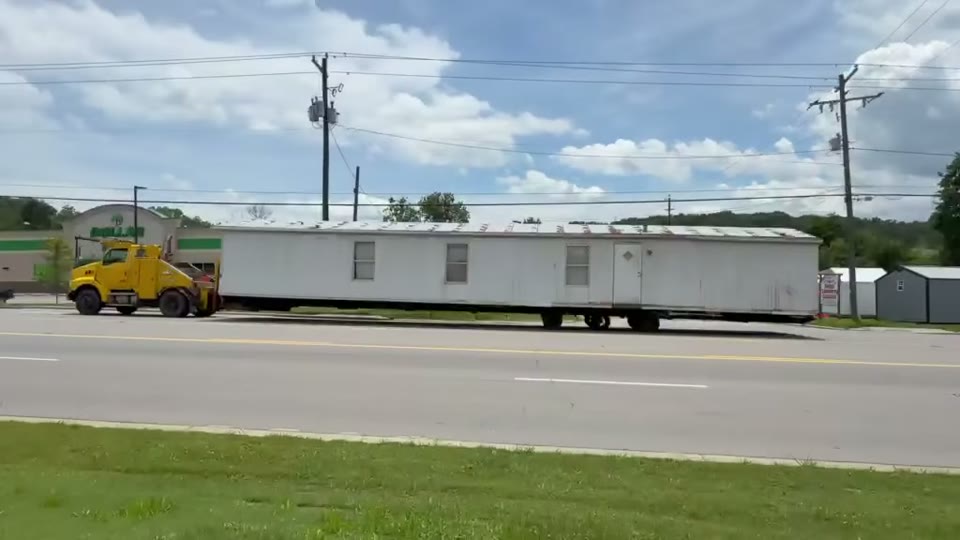
Setting a manufactured home on a hillside lot in western North Carolina is a fundamentally different job than setting the same model on flat ground in the Piedmont — different pier depths, different blocking geometry, and usually a higher bill. Ridge lots above Weaverville, fill pads near Swannanoa, and creek-side parcels outside Leicester all present different site conditions. That variability is why a statewide average undersells what thorough setup work actually costs in this county, and why the line items matter more than a single quoted number.
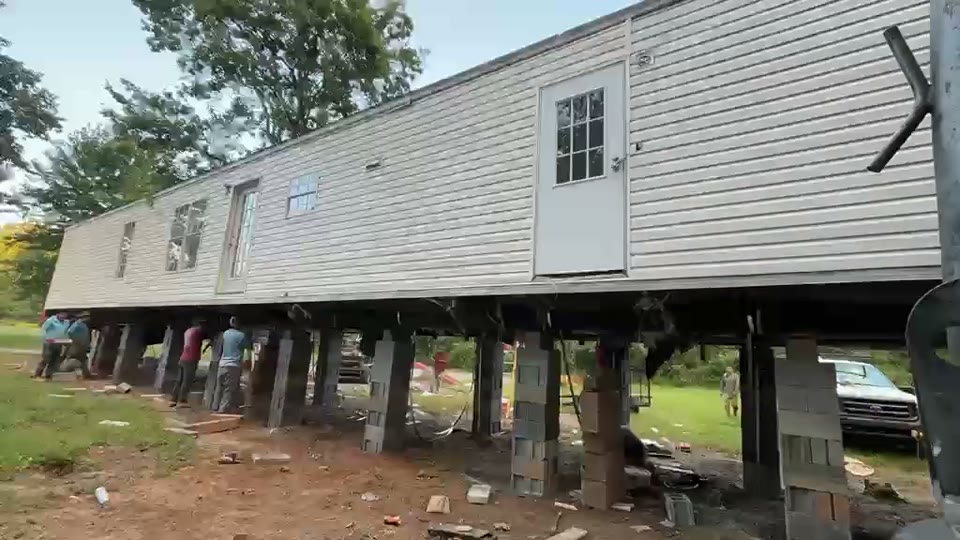
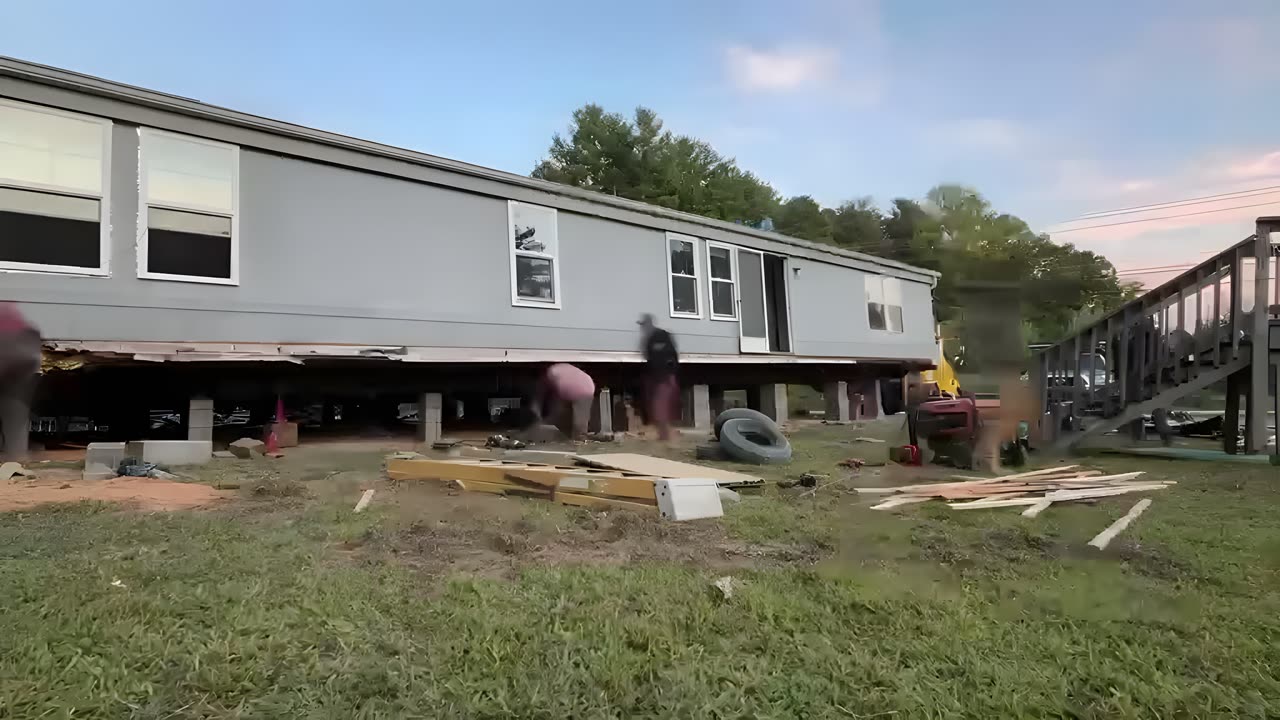
A standard set covers blocking and leveling, over-the-roof tie-down anchoring, and utility connections — water, sewer, and electric stubs. Skirting and permits are typically quoted separately. Here is how those components stack in the Buncombe County market:
| Scope of work | Typical NC range | What drives it |
|---|---|---|
| Single-wide set (blocking, leveling, anchoring, hook-ups) | $1,500 – $3,000 | lot slope, pier count, utility run length |
| Double-wide set with marriage-line seal | $3,000 – $6,000 | ridge alignment, seam work, additional pier points |
| Vinyl or masonite skirting (add-on) | $800 – $2,000 | perimeter length, material, site grade |
| County building permit and inspection fees | $150 – $500 | jurisdiction, home size, zoning classification |
Those are working market ranges, not quotes. Lots with more than a 10-percent grade or limited equipment access tend to land closer to the top of each band. For a closer look at the leveling component, see our mobile home leveling cost guide for NC.
How mountain terrain changes the setup equation
Buncombe County's ridge-and-hollow topography means a manufactured home can sit on a site that drops eighteen inches from one end to the other — and sometimes side to side simultaneously. That is not a defect in the lot; it is a job that requires more blocking, greater pier height variation, and a leveling crew that reads a transit level rather than guesses at plumb.
Pier depth is the line item that surprises most buyers on mountain sites. Uncompacted fill — common on cut-and-fill lots throughout the county — requires piers to reach load-bearing strata that may sit at different depths across a single home's footprint. A contractor who quotes a firm number without walking the lot is building that number on assumptions that may become change orders once digging starts.
Footer requirements compound the same problem. A continuously sloped site may require a formed concrete footer along the low side of the home rather than individual block pads, which adds material cost and forming labor. Our mobile home footer cost guide for NC explains what different foundation approaches add to the base set price and when a continuous footer is the right call versus individual piers.
Moisture is the quieter variable. Hollows and north-facing slopes hold water longer than the surrounding ground, and a vapor barrier alone does not solve uphill drainage. Site grading is a separate scope from the set itself, but homes installed without addressing drainage often need re-leveling within a few years — an expense that costs more than getting it right the first time.
Anchoring, wind zones, and storm history in Buncombe County
North Carolina requires every manufactured home to carry a HUD-compliant tie-down system, and the specification depends on the county's wind zone. Buncombe County falls in HUD Wind Zone I under 24 CFR 3280.305 — the baseline standard that governs strap spacing, anchor embedment depth, and minimum over-the-roof strap count per home length. Zone I is the foundational tier, but foundational is not optional: load ratings are engineered minimums, and an anchor installed at the wrong depth or with undersized hardware fails the standard regardless of what the installer writes on the invoice.
The storm record here gives that requirement weight. 19 federally declared disaster events touch Buncombe County (1973-2026), including a Winter Storm in 2026, a Tropical Storm in 2024, and three hurricane events in 2020, 2021, and 2023. Wind and water are not abstractions in this county; they show up in shifted foundations and damaged rooflines on homes whose tie-downs were installed carelessly or never inspected after initial placement. The National Weather Service's tornado safety guidance for manufactured homes specifically addresses the wind vulnerability of this housing type — worth reviewing before setup begins, not after a weather event forces the conversation.
Over-the-roof strap anchoring is included in a standard set price. Before signing, ask any contractor to specify the anchor model, embedment depth, and how strap spacing was determined relative to your home's length and Zone I requirements. The right answer always references the home manufacturer's installation manual, which carries the HUD-mandated anchoring design for that specific model.
Permits, licensing, and state oversight
North Carolina regulates manufactured home installation through the NC Manufactured Housing Board, administered by the Office of State Fire Marshal. The installer performing blocking, leveling, and anchoring must hold a state-issued manufactured housing contractor license — not a general contractor license. That distinction matters because the licensing requirement is specific to setup work and carries direct liability implications for any home that later goes through inspection, title transfer, or insurance review.
The home itself must carry its HUD certification label, administered by the HUD Office of Manufactured Housing Programs. That label is what Buncombe County inspectors verify at the setup inspection, and a home without it cannot be legally titled or connected to utilities in this state.
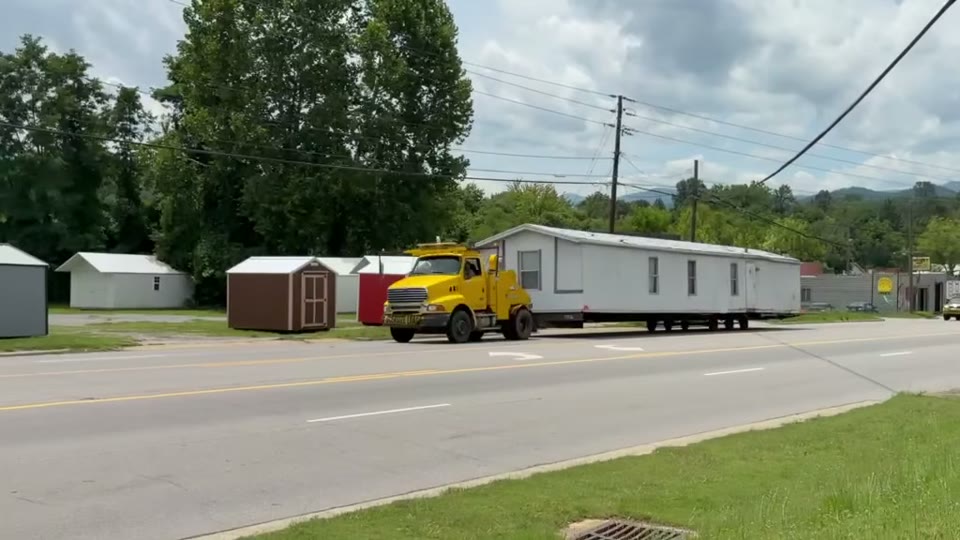
Moving the home to your site is a separate permit track. North Carolina requires an oversize/overweight permit for any manufactured home traveling on state roads. The requirements — pilot car rules, restricted travel windows, and the permit fee structure — are published in NCDOT Publication MH-2. Transport is typically quoted independently from the setup; ask your contractor for both figures and a written combined total before committing.
Buncombe County requires a local building permit for new home placement, covering setback compliance, foundation inspection, and utility hook-up approval. Budget $150 – $500 in combined permit fees depending on home size and parcel zoning classification.
Three moves that keep the price honest
Setup costs for manufactured homes are not opaque — they are itemized. When a contractor breaks the bid into blocking, anchoring, utility runs, skirting, and permits as separate line items, you can compare bids line by line and identify where numbers diverge before any work begins.
- Walk the lot before accepting any quote. A responsible installer visits the site before pricing. Slope, soil type, equipment access, and utility stub locations all move the final number in ways a phone quote cannot account for. A firm price before a site visit is a guess with your money.
- Get the anchor plan in writing. HUD Zone I requirements (24 CFR 3280.305) set minimum strap counts and load ratings for this county. Ask the contractor to note the anchor model and strap-spacing logic in the contract. A contractor who cannot explain their anchoring method against the home manufacturer's installation manual may not have read it.
- Price skirting and permits separately from the set. Many contractors bundle everything into a single turnkey figure, which makes honest comparisons difficult. Ask for each as its own line item so that a scope change in one does not silently inflate another.
For a complete walkthrough of what each phase covers — from transport arrival through final county inspection — our mobile home setup and installation guide covers the full process.