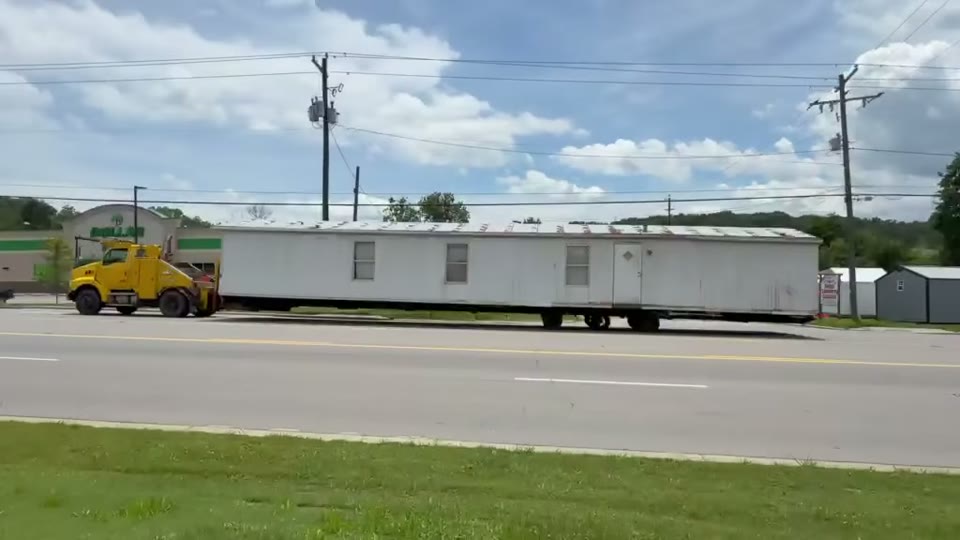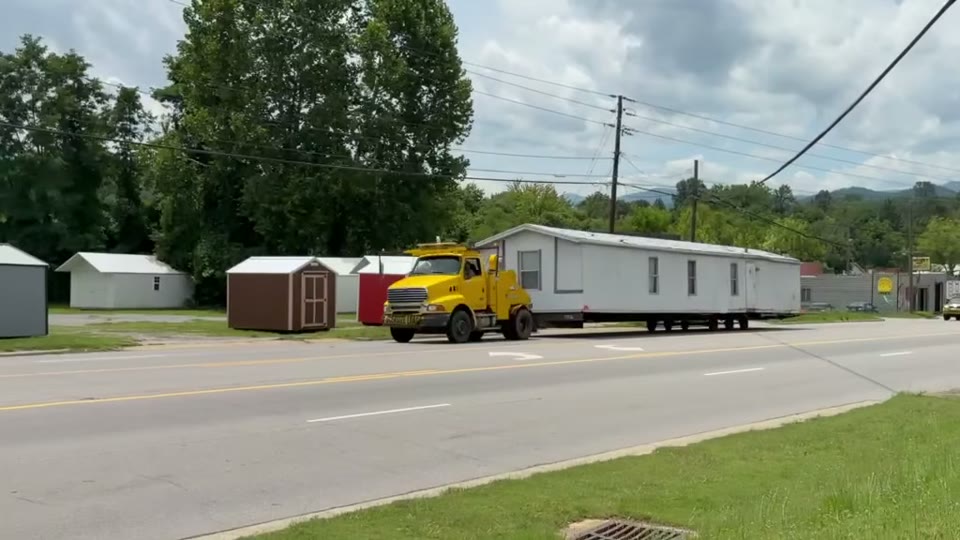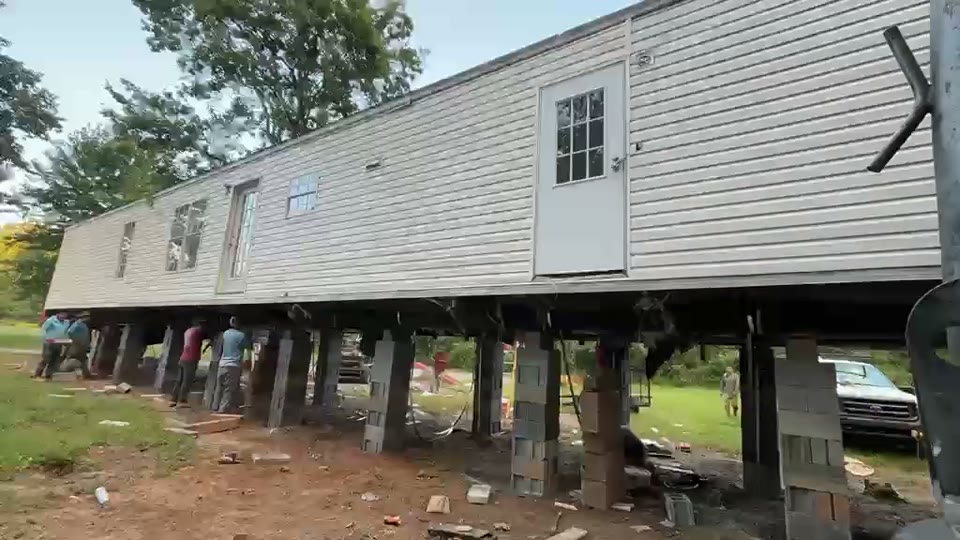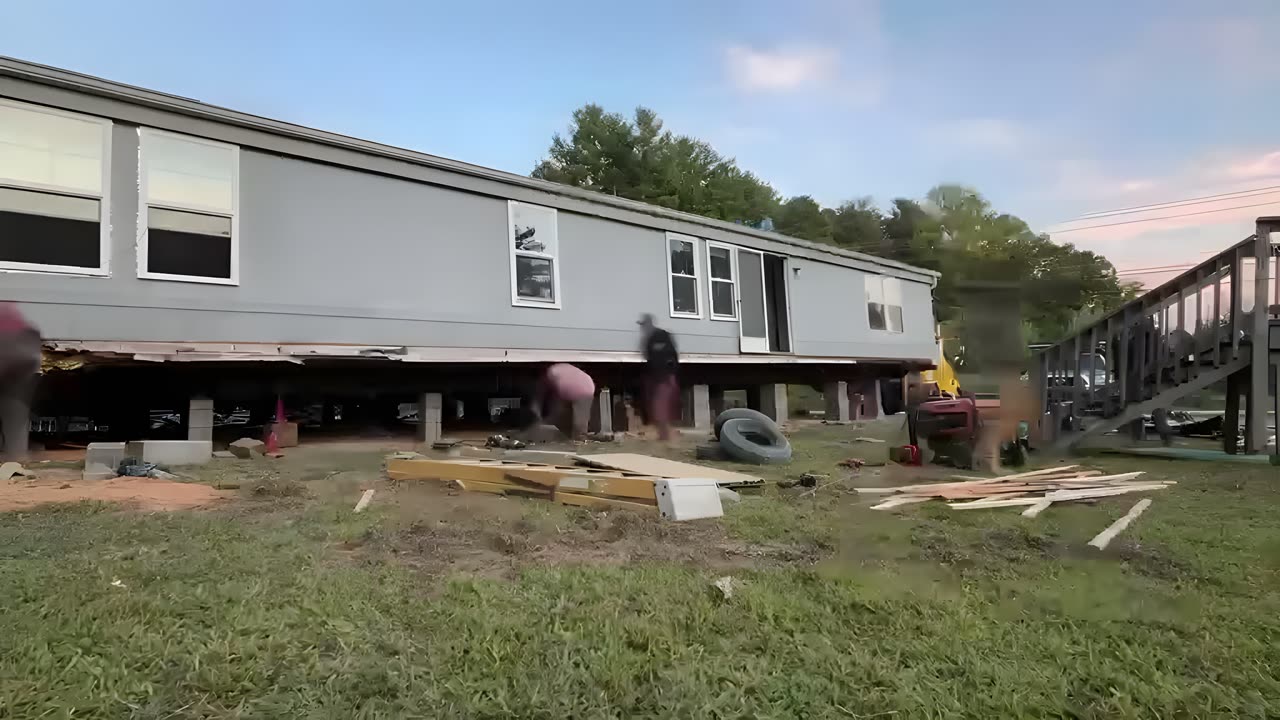
What moves look like in the Clyde corridor
Clyde sits at the foot of Haywood County's ridge terrain, strung along US-19/23 between Canton to the east and Waynesville to the west, with the Pigeon River running close on the south side of the highway. Manufactured housing is woven into this valley: single-wides on private parcels that climb the ridge faces, double-wides set in small communities beside the river, and older homes that have not moved since they were originally placed. Relocations happen when properties change hands, when communities close, and when families move within the county and want to take their home with them.
Haywood County has seen repeated storm impacts that are worth knowing before any move decision. Hurricanes struck in 2020, 2021, and 2023, followed by a tropical storm in 2024 and a winter storm in 2026. With 19 federal disaster declarations on county record across 1973-2026, homes on low-lying parcels along the Pigeon River corridor should be inspected for structural or moisture damage before any transport contract is signed. A mover cannot flag those problems from the road; that inspection step falls to the owner. If the move crosses county lines, the broader western NC mobile home moving page covers regional context and cross-county permit coordination.
Typical costs for a Haywood County mobile home move
Transport-only pricing in this part of western NC typically falls between $3,000 and $8,000 for a single-wide and between $7,000 and $15,000 for a double-wide. The full line-item breakdown lives on the NC mobile home moving cost page. The table below maps scope to the ranges that apply specifically in Haywood County terrain.
| Scope | Typical transport range |
|---|---|
| Single-wide, short haul within Haywood County | $3,000–$5,500 |
| Single-wide, longer haul or complex lot access | $5,500–$8,000 |
| Double-wide, standard county move with clear lot access | $7,000–$11,000 |
| Double-wide, steep access road, tight turn, or ridge lot | $11,000–$15,000 |
None of these figures include blocking, leveling, anchoring, or utility reconnection at the new site. Those are separate line items. A quote that bundles everything into one number is worth breaking apart before you sign; knowing which portion covers transport and which covers setup lets you compare bids on equal terms.
Route and lot access along US-19/23 and I-40
Clyde's position at the junction of US-19/23 and the I-40 corridor that runs east through the Pigeon River Gorge toward Asheville NC gives transport crews a genuine route choice for most Haywood County moves. Which road is right depends on load width, timing, and where the destination lot sits relative to the highway network.
US-19/23 through Clyde and west into Waynesville is a practical route for standard single-wides, but double-wide transport on that corridor requires pilot car coordination and typically off-peak timing because of commercial traffic volume. I-40 through the gorge is generally the preferred path for wide loads when permits and overhead clearances align, though those clearances need confirmation before an oversize permit application is filed with NCDOT.
The last mile onto a private lot is often where Haywood County moves become complicated. A parcel on a ridge above Clyde may require a specialized low-boy rig, temporary power line drops, or site grading before placement is possible. Document power line heights, access road width, and any existing structures near the placement zone before you accept a quote. Ask movers directly whether they have worked lots with similar access conditions and ask for references on comparable jobs.
One question worth putting to any transport crew is how regularly they work the Haywood County section of US-19/23 and the I-40 gorge corridor. Mountain transport differs from flatland work in clearance management, grade control on descents, and turn radius on private access roads. A crew familiar with this specific corridor will flag hazards at the quote stage rather than on move day.
Permits: three streams to clear before the truck rolls
Three separate permit processes apply to a North Carolina mobile home move. The first is the transport permit from NCDOT, filed under Publication MH-2, which sets routing, equipment, and timing requirements for oversize loads on state roads. Your mover files this permit; confirm it is in hand before the scheduled transport date.
The second is the tax-paid moving permit required under NCGS Chapter 105, Article 18. This permit confirms that no outstanding property taxes are attached to the home before it leaves its current location. The county tax office issues it, and it protects both the owner and the mover from a tax lien that could attach to the home after transport.
The third is the local placement permit from Haywood County for siting the home at the new address. Haywood County's specific permit requirements, fees, and inspection steps were not independently verified for this page. Call the county permit office before your move date to confirm what is currently required. The NCDOT transport permit does not cover county placement; these are separate processes handled by separate offices.
Setup at the new site: leveling, anchoring, and Zone I
After the truck leaves, blocking, leveling, and anchoring are governed by manufactured housing installation licensing under the NC Manufactured Housing Board. Before any setup work begins, ask for the installer's current license number so you can verify it with the Board directly. Licensed installation protects your warranty and your county permit approval.
For anchoring, Haywood County falls in HUD Wind Zone I under 24 CFR 3280.305. Zone I is the baseline wind exposure classification for manufactured housing in North Carolina, and tie-down systems must be sized and installed to meet Zone I specifications. A home being reset after a move should have its full anchor system inspected and reinstalled to current Zone I standards. Do not accept a simple reconnection of the prior site's straps without a condition check on every strap, anchor, and over-the-top cable.
Leveling at the new site determines long-term structural performance. An unlevel installation puts stress on the frame that shows up within a year or two as misaligned doors, gapped windows, and floor deflection. The mobile home leveling service for Clyde covers blocking spec, pier count, and what a post-installation inspection should include.