Qualla Boundary trust land and the two-permit rule
Cherokee, NC is the principal town of the Eastern Band of Cherokee Indians, set at the junction of US-441 and US-19 on federally recognized trust territory called the Qualla Boundary. That fact changes every manufactured home job in this area. Work on a Qualla Boundary parcel answers to two separate jurisdictions: the Eastern Band's tribal offices and Swain County's building permit office. The homeowner needs to confirm requirements with both before an installation or leveling contractor sets foot on the property.
The NC Manufactured Housing Board, administered through the NC Office of State Fire Marshal, sets baseline licensing and installation standards for contractors statewide. Those rules apply in Cherokee as they do anywhere in North Carolina, but on Qualla Boundary property they layer under tribal authority. Swain County's specific permit steps were not verified for this page — call the county permit office directly before work day. For parcels outside the trust boundary, only the county office is involved. Knowing which side of the line a parcel sits on is the first piece of information to gather, before signing any estimate.
What re-leveling costs in the Cherokee area
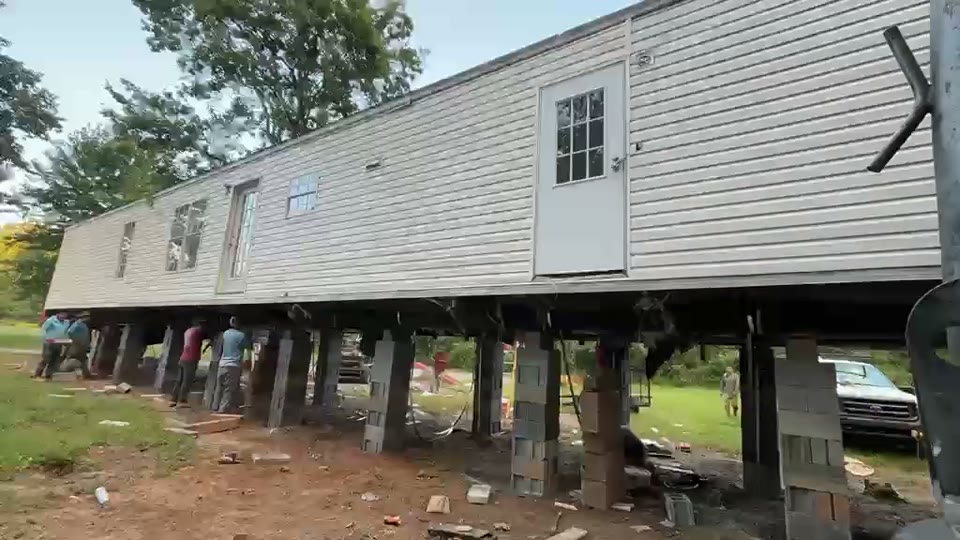
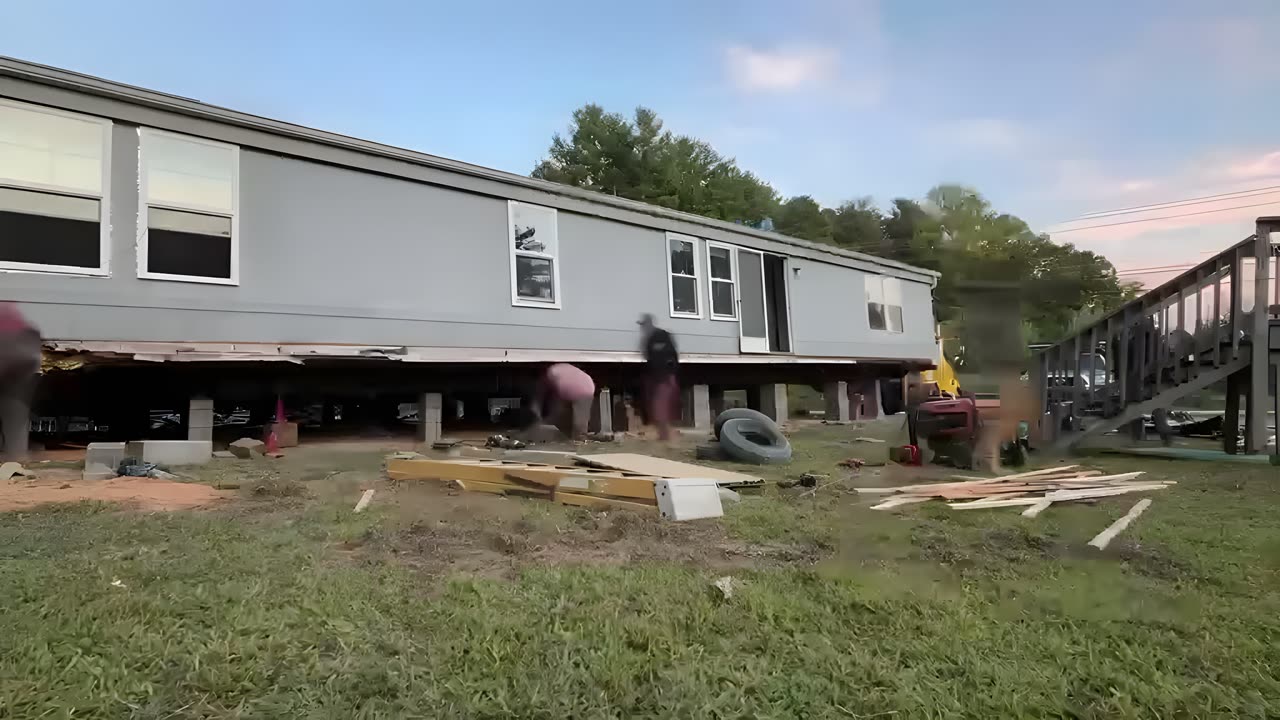
Price follows two variables: the size of the home and the condition of the existing pier and pad system. A clean job on intact concrete pads with undamaged piers is fast work that falls in the lower part of the ranges below. A job that finds cracked pads, rotted wood blocking, or piers that have settled into softened ground is a different scope and a meaningfully higher cost.
| Scope | Typical Range |
|---|---|
| Single-wide, shimming and blocking only | $400 – $900 |
| Single-wide, partial pier replacement | $900 – $1,200 |
| Double-wide, shimming and blocking only | $700 – $1,400 |
| Double-wide, partial pier replacement | $1,400 – $2,000 |
| Full pier and pad replacement, either size | $2,500 – $5,000 |
Full per-pier and per-pad line items are on the mobile home leveling cost NC page. Terrain adds a real variable in Swain County: a home set on a hillside lot takes more access time and more precise setup than one on a flat pad, and that labor difference shows in the final number. Properties near the Tuckasegee or Oconaluftee rivers that have seen water intrusion need a drainage check built into the scope from the start.
Signs the floor has moved past shimming
A manufactured home that has settled off level usually signals gradually. A door in the back bedroom starts sticking; a few months later the bathroom door follows. A gap opens between the skirting and the ground on the low side of the house. On a double-wide, the marriage line — the vertical seam where the two sections join — develops a crack along the ceiling ridge or pulls apart near the roofline. Floors that slope enough to notice when walking end to end have moved past the range where shimming alone holds.
These signs caught in the first season they appear stay as leveling jobs. Left for a year or two, the chassis begins to carry stress the pier system should be absorbing, and that transfer shows in the frame, drywall, and plumbing connections. The cost gap between a $500 shim call and a $3,000 pier replacement is often nothing more than deferred attention. If you searched for mobile home leveling near me or companies that level mobile homes near me in the Cherokee area after noticing any of these signs this season, that timing is right. The re-leveling overview explains what a proper inspection includes from crawl-under to sign-off.
Why mountain storms keep floors moving in Swain County
Swain County has seen 15 federally declared disaster events across 1993-2026, including a Winter Storm in 2026, wildfires in 2025, a Tropical Storm in 2024, and Hurricanes in 2022 and 2020. Mountain storms move water in ways flatland foundations rarely encounter: runoff follows slope, pools under the low side of a home, and cycles the soil through wet-dry states that expand and contract pier pads across seasons. A home that held level for a decade can shift measurably after one significant rainfall event on the Tuckasegee or Oconaluftee drainages.
HUD designates Swain County as Wind Zone I under 24 CFR 3280.305, the standard anchoring classification for this region. That rating governs tie-down and anchor spacing requirements for all manufactured home installations in the county. Any leveling job that opens access to the underside of the home is the right time to verify the anchor system still meets Zone I requirements — a crew that only shims and leaves has done half the job. NOAA's National Weather Service tracks the sustained rainfall events that drive most leveling calls in this part of the mountains; a heavy weekend upstream often shows up as a sloping floor the following week.
What to ask before booking a leveling crew
Three checks specific to this market. First, confirm the contractor is licensed through the NC Manufactured Housing Board — the board maintains a statewide list and a reputable crew can confirm standing in a short call. Second, ask whether they have worked on Qualla Boundary parcels before. A contractor who has run the tribal permit process once navigates it faster and without the gaps that slow down first-timers; this is not the place to be someone's learning experience. Third, ask whether anchor inspection is part of the leveling scope. The HUD manufactured housing program sets the Zone I anchoring standard for homes in this county, and verifying anchor condition should come with every leveling visit, not as a separate add-on.
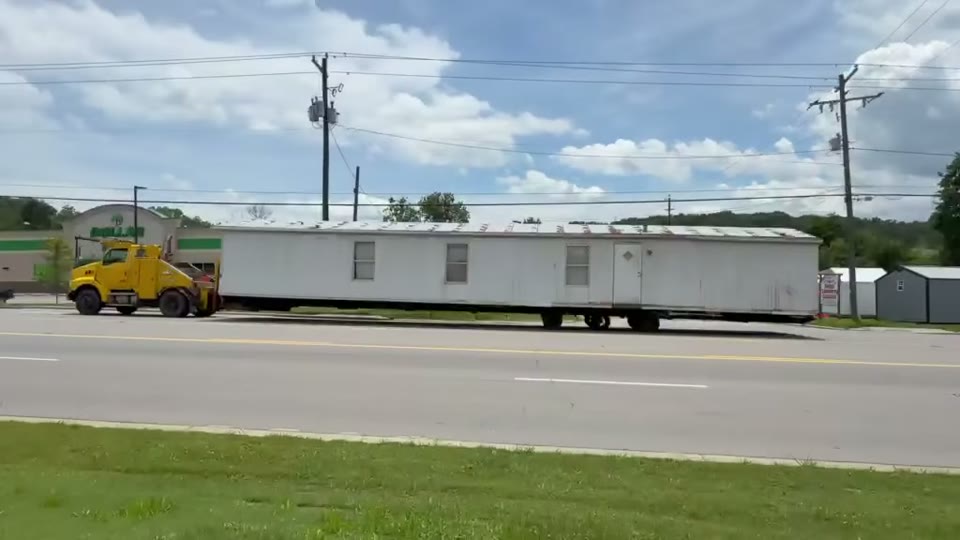
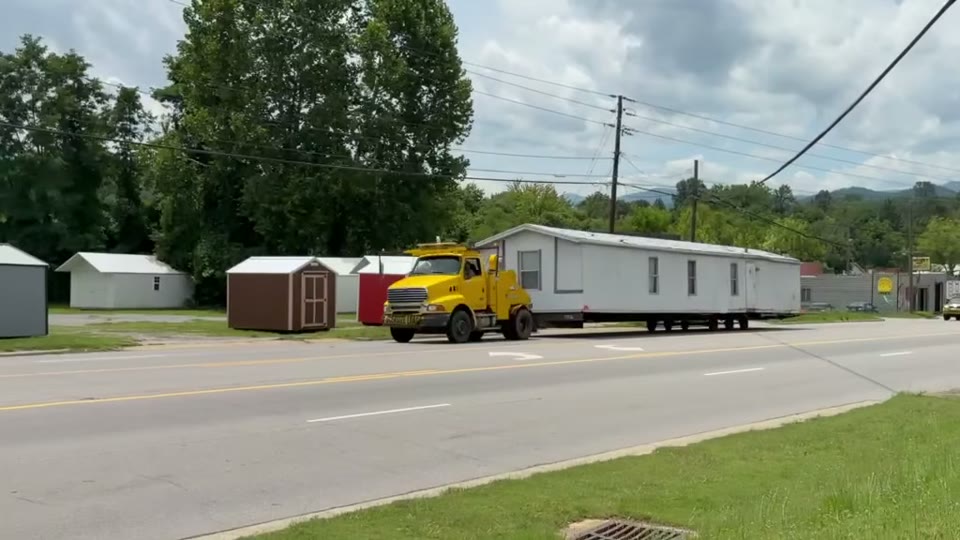
If the job involves moving a home to a new site rather than leveling it in place, the permit picture shifts. NCDOT's oversize/overweight process under Publication MH-2 governs transport permits, and a tax-paid moving permit under NCGS Chapter 105, Article 18 is required before the home moves. The Cherokee area movers page covers those steps in full.