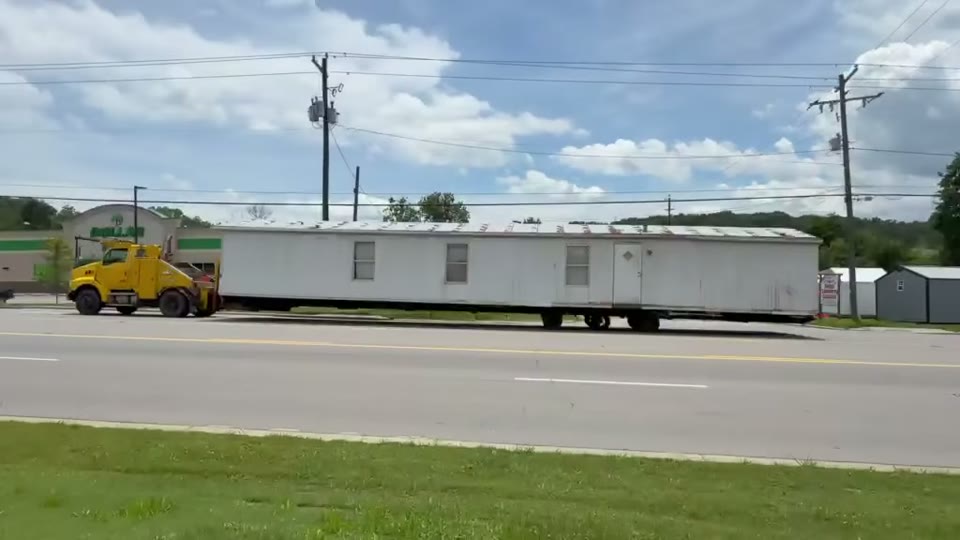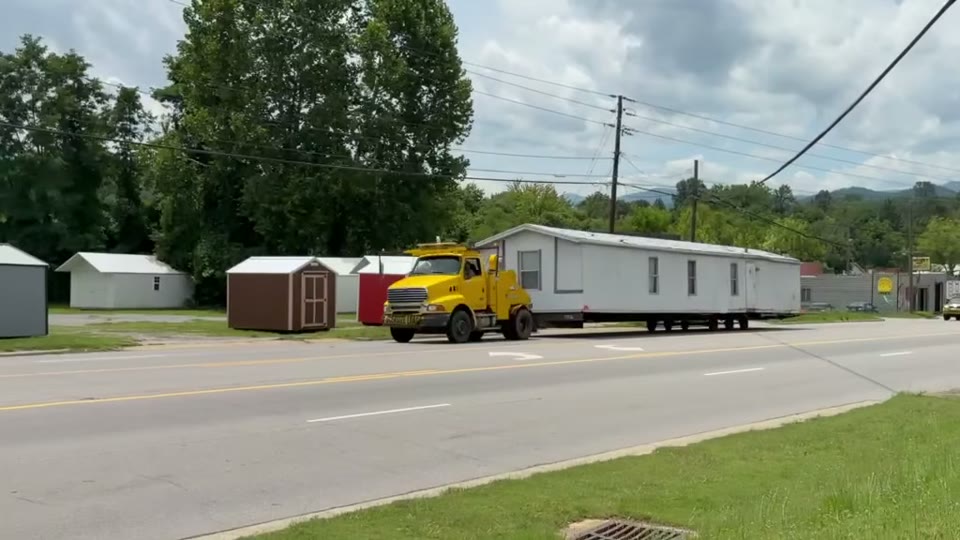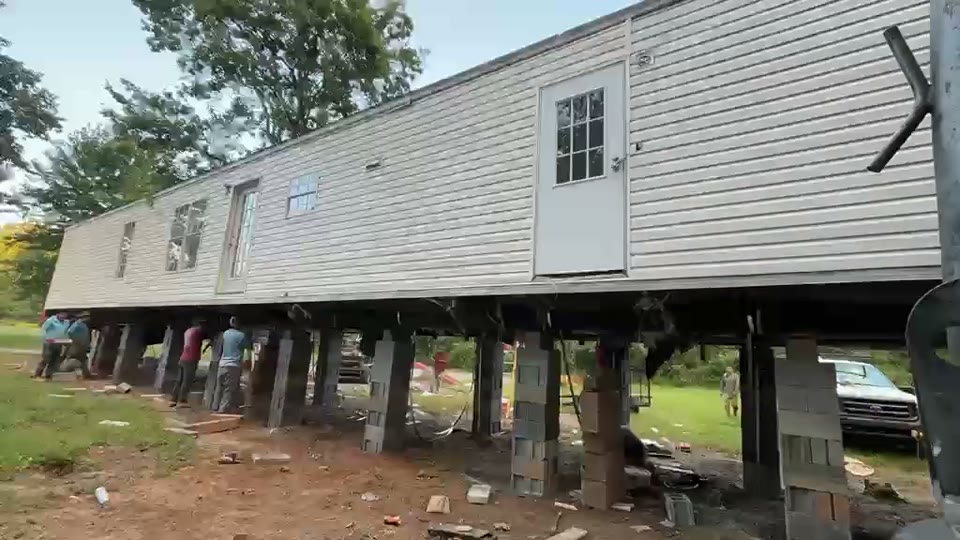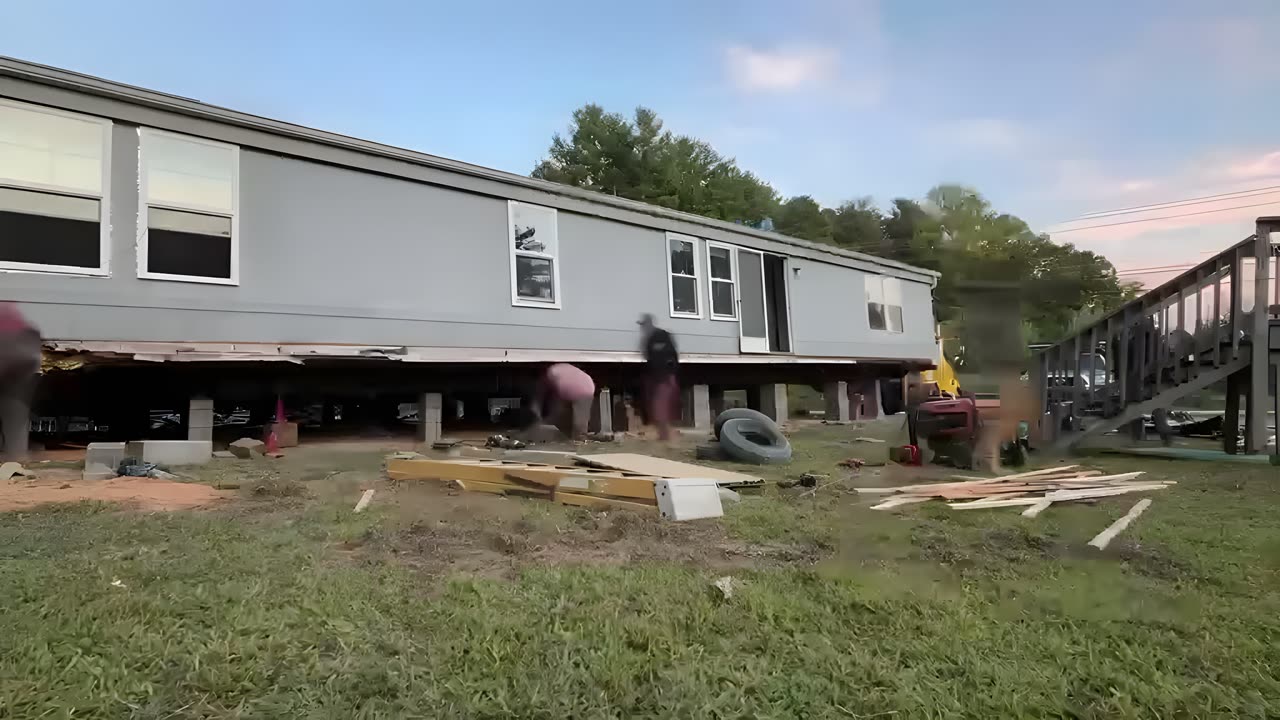
No age limit in NC law — what the NCDOT permit actually covers
The ridge-top parcels and creek-bottom tracts around Asheville NC hold manufactured homes built across six decades of construction. Owners of older units — facing estate settlements, site changes, or developer buyouts in Buncombe County — regularly need to know whether their home's age creates a legal barrier to moving it. The direct answer: no North Carolina statute specifies a maximum age for transporting a manufactured home.
The NCDOT MH-2 publication governs oversize permits for moving mobile and manufactured homes on NC roads. It covers dimensions, weight, routing, and escort requirements. Construction year is not a criterion. NCGS Chapter 105, Article 18 adds a separate requirement: a tax-paid moving permit confirming that property taxes are current before a home leaves its site. That requirement turns on taxes and ownership status, not on when the home was built.
What the statutes leave untouched, the destination typically supplies. The table below maps where age creates practical barriers even when NC's transportation rules are silent.
| Factor | Pre-June 15, 1976 (pre-HUD) | June 15, 1976 or later (HUD-labeled) |
|---|---|---|
| NC law prohibits the move? | No | No |
| NCDOT MH-2 permit available? | Yes — dimensions and weight must comply | Yes |
| HUD certification label on home? | No | Yes |
| Most NC counties issue CO at new site? | Usually no — no standard label path | Generally yes |
| Most licensed movers will accept? | Often no | Yes |
| Standard manufactured home insurance available? | Rarely | Generally available |
The HUD label and what it gates at the new site
On June 15, 1976, HUD's Manufactured Home Construction and Safety Standards took effect, establishing federal baseline requirements for structural integrity, fire safety, and energy performance. Every manufactured home built on or after that date carries a HUD certification label — a small red aluminum tag on each transportable section — and a data plate inside confirming compliance. Homes built before June 15, 1976 carry neither.
That absence matters because most North Carolina counties require a certificate of occupancy before a manufactured home can be permanently occupied at a new location. The NC Manufactured Housing Board, which licenses installers and enforces setup standards statewide, ties the CO pathway to compliance with HUD requirements. Without the certification label, a pre-HUD home cannot follow the standard approval path. Some counties allow a licensed engineer to evaluate and certify a pre-HUD unit in lieu of the label, but that review is expensive, not universally accepted, and not guaranteed to succeed.
Storm history in Buncombe County reinforces why setup quality matters: 19 federal disaster declarations over 1973-2026 — including hurricanes in 2023, 2021, and 2020, a tropical storm in 2024, and a winter storm in 2026 — have documented what improperly anchored homes sustain in western NC. Buncombe County sits in HUD Wind Zone I under 24 CFR 3280.305, and any home installed in the county, regardless of construction year, must be anchored to tie-down standards rated for that zone. A pre-HUD home that clears the road still faces that installation requirement at the destination, and missing label combined with wind-zone engineering requirements can stop a project that looked straightforward on paper.
Buncombe County placement review and Asheville NC zoning
NC's transportation permits get the home to the property line. What happens next depends on the destination's zoning and the site review process. Buncombe County and the City of Asheville NC administer separate ordinances, and both commonly define manufactured housing by reference to HUD construction standards — which by definition excludes pre-1976 homes that were not built to those standards.
Rural areas of Buncombe County — the French Broad corridor near Weaverville, the Swannanoa Valley east toward Black Mountain, the hollows above Fairview — operate under the county's unified development ordinance. Where manufactured housing is a permitted use, HUD-standard compliance is typically required as a condition of siting. The steep terrain across much of the county adds constraints: slope setback requirements, access road grades, and bridge weight limits on county-maintained roads all apply before an inspections department reviews the home's paperwork. A pre-HUD home faces those physical hurdles and then a separate documentation battle at the site.
Asheville NC's city limits impose a planning review before the setup permit process begins. Pre-HUD homes land in a gray zone: the NCDOT permit clears, the tax permit clears, but placement approval at an Asheville NC address requires a zoning compliance check that may conclude the home cannot legally occupy the site. Knowing the destination's rules before the home rolls is the only way to avoid paying to move a unit that cannot legally stay where it lands.
For a detailed look at what applies to homes built before the HUD code, see pre-1976 mobile homes in NC. The full permit sequence — what NCDOT requires, how to apply, and how to time the approvals — is covered at /nc-mobile-home-moving-permit/.
Chassis condition, insurer limits, and the real costs of age
Beyond statutes and zoning, there is a physical question no permit resolves: is the steel frame sound enough to survive transport? A manufactured home sits on a perimeter and main-beam chassis. Road stress — amplified on Buncombe County's steep grades and tight mountain curves — is substantial. Rust, corrosion, bent flanges, and previous impact damage weaken welds over decades. In western NC's wet climate, where older homes may have endured multiple storm seasons over 1973-2026 of documented disaster activity, chassis deterioration is a realistic finding on a pre-move inspection.
Licensed movers inspect the frame before accepting a job. A home that fails that inspection cannot move safely regardless of what the transport permit says. If the chassis is marginal, a mover may decline or require structural reinforcement before transport, adding to the total project cost. Typical single-section transport in the Asheville NC area runs $3,000–$8,000; pre-HUD homes requiring chassis work, custom routing, or wind-zone tie-down upgrades at the destination push that range higher, with setup fees and county inspection costs added on top.
Insurers add a parallel filter that frequently aligns with the HUD code date. Many manufactured home insurers will not write a policy for a pre-HUD home at a new site, and others restrict coverage by year of manufacture. Without insurance at the destination, financing and some county approvals become difficult to secure.
For most Buncombe County owners asking whether a manufactured home can be moved, the honest answer turns on three separate questions: will the destination allow permanent placement, will a licensed transporter accept the job, and will an insurer cover the home at the new address? NC law blocks none of them by age alone — but any one of the three can stop a move that looks legal on paper.