Two categories, one search
Asheville NC sits at the county seat of Buncombe County, a mountain region where manufactured homes occupy hillside lots from the French Broad River valley up toward the Blue Ridge Parkway corridor — properties that reflect decades of housing patterns shaped by terrain, cost, and the region's rural land stock. Most people searching for modular home movers in western NC are moving a manufactured home: a HUD-code unit that rides on its own steel chassis, travels on public roads under NCDOT oversize permit, and re-sets on a pier-and-block or permanent foundation at the destination. A smaller number are asking about a true modular home: a unit built to the NC State Building Code, transported in sections on flatbed trucks, and permanently attached to a site-built foundation.
Both get called "modular" in everyday conversation, and both appear in the same searches. The equipment, permits, licensed-installer requirements, and costs differ substantially between them. Knowing which type you have before the first call is the single most useful piece of information you can bring to this project. The distinction is not always obvious from the home's appearance: age, paperwork, and the presence or absence of a permanent foundation are the reliable tells.
What a true modular move actually involves
True modular homes are built to the NC State Building Code and classified as permanent structures at installation. The HUD Office of Manufactured Housing Programs draws the line clearly: a modular home is inspected by state officials under state building code; a manufactured home is built to the federal HUD code and carries a HUD data plate. That line determines the installer's license class, the foundation standard, and the permit chain.
Moving a modular home after installation means removing all permanent foundation connections, separating factory-bolted module joints, loading each section onto a flatbed under structural oversight, transporting under oversize permit, and re-setting on a new engineered foundation at the destination. Crane equipment is typically required at both ends, and stamped engineering plans are part of the re-installation package. Most modular homes are not moved after initial installation; the structural complexity and cost of departure and re-installation usually favor selling the home as real property instead. This scope explains why companies that specialize in manufactured home transport do not typically take modular relocation contracts: the two are different businesses with different equipment, licensing, and engineering partnerships.
Manufactured home transport in Buncombe County
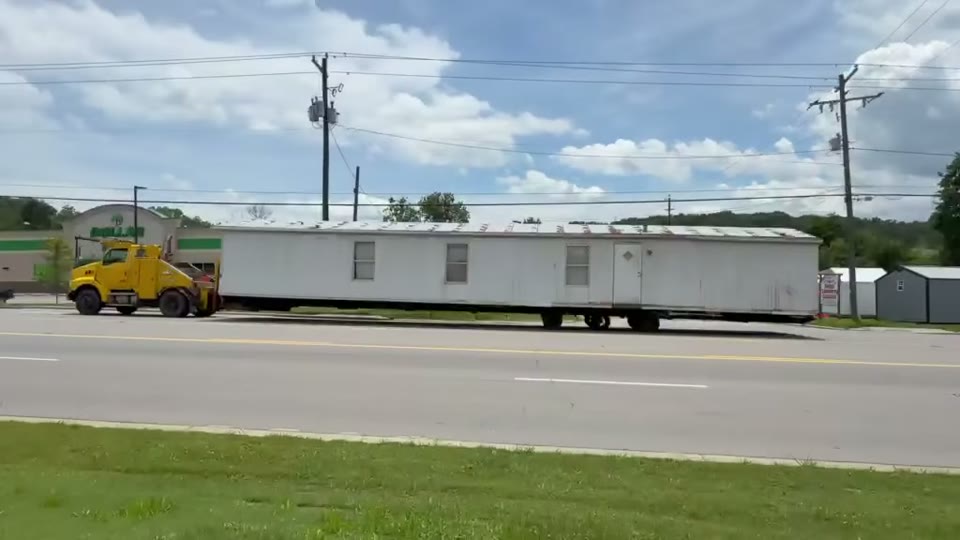
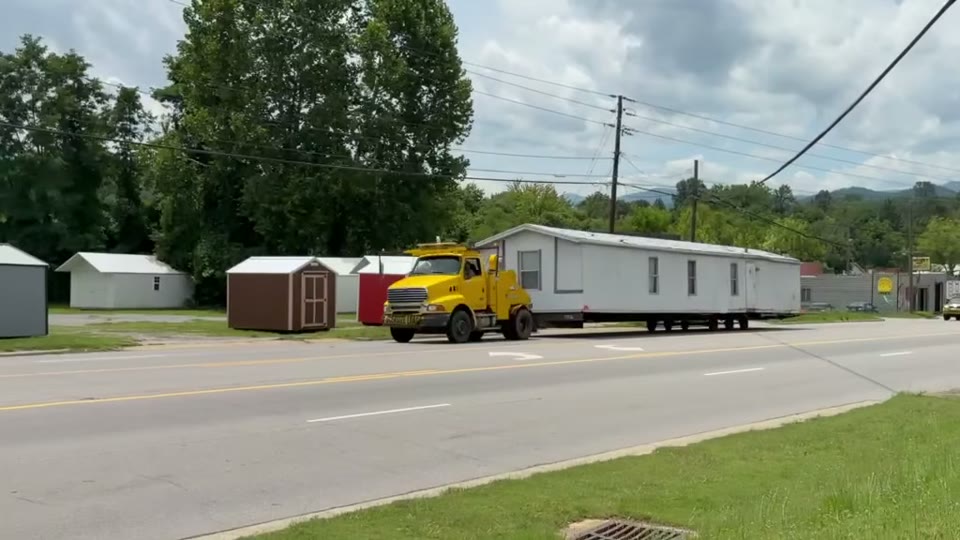
A manufactured home transport follows a predictable sequence even when terrain adds complications. At origin, the home disconnects from utilities, comes off its existing blocking and tie-down system, and hitches to a licensed transport vehicle. It then travels under an NCDOT oversize permit, with timing typically set to avoid peak traffic windows on mountain highways. Route surveys are sometimes required when width or grade is a constraint — roads above certain elevations in the Blue Ridge corridor can add miles to an otherwise local move between Asheville NC and outlying lots in Buncombe County.
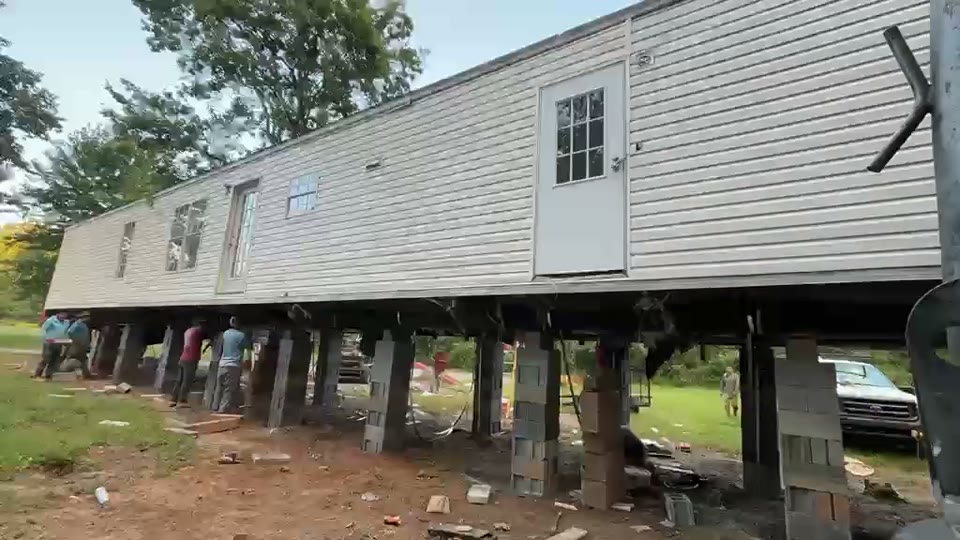
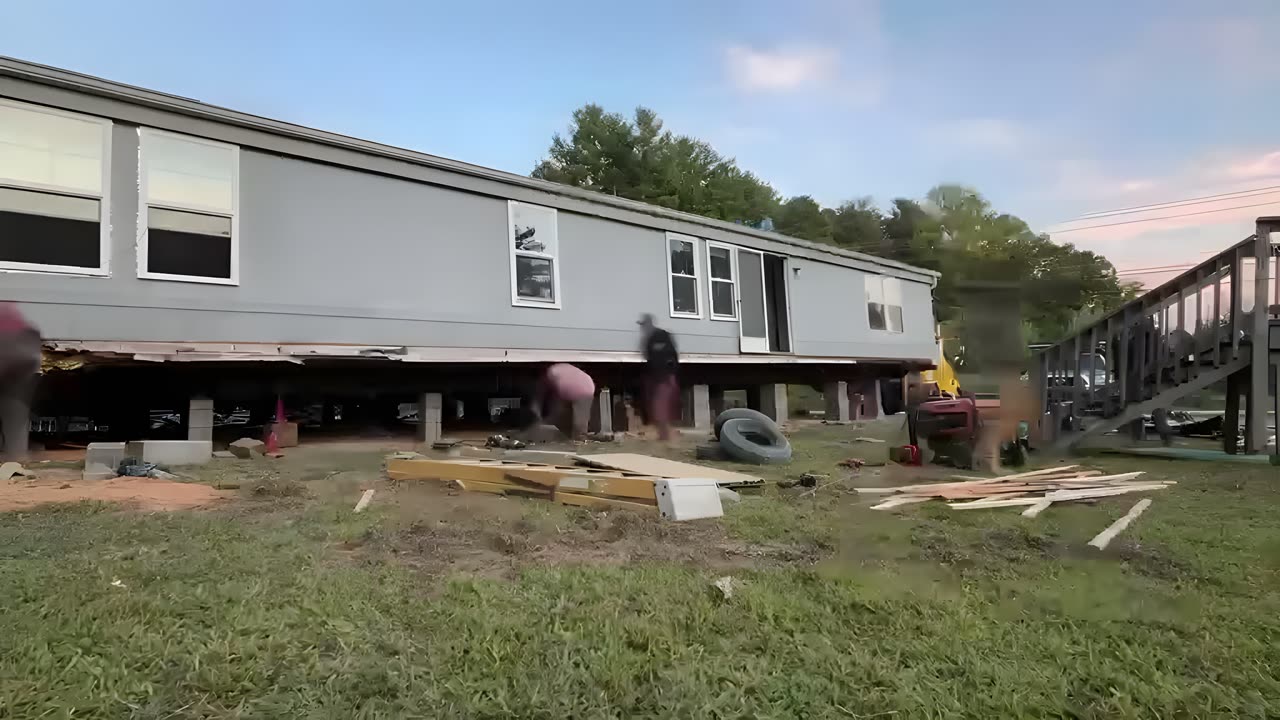
Double-wides require a marriage-wall separation step at origin, separate transport permits for each section, and a re-connection and seal step at the destination before interior work can begin. Setup at the new site — leveling, blocking, tie-downs, and utility re-connection — is a separately scoped, licensed trade in North Carolina; it does not travel with the transport quote. Destination site conditions in Buncombe County tend to be more demanding than in the piedmont: graded pads, drainage runs, and access routes often require preparation before the home arrives. The site preparation guide covers what the new location typically needs before and after delivery.
What it costs and what moves the number
The ranges below reflect typical western North Carolina market costs for manufactured home moves and setup. These are not flat rates; terrain, site access at both ends, and destination conditions are the primary variables in Buncombe County.
| Scope | Typical Range |
|---|---|
| Single-section transport, under 30 miles | $3,000–$5,500 |
| Single-section transport, 30–100 miles | $4,500–$8,000 |
| Double-section transport, under 30 miles | $6,000–$10,000 |
| Double-section transport, 30–100 miles | $8,000–$15,000 |
| Setup only at new site (no transport) | $1,500–$4,000 |
| Destination site preparation | $1,500–$6,000+ |
Buncombe County's storm history adds a variable that rarely appears in transport quotes. The county has experienced 19 federally declared disaster events over 1973-2026, including hurricanes in 2020, 2021, and 2023, a tropical storm in 2024, and a winter storm in 2026. Each event leaves some destination sites with shifted pads, drainage erosion, or access limited by debris and washout. Lot conditions in the French Broad corridor and on ridgeline properties above Asheville NC vary significantly after major weather events. Inspecting the destination site before finalizing scope is not optional on mountain terrain; it is the step that prevents a mid-project cost revision after the home is already in transport.
The three permits required before anything moves
Three separate permit tracks govern most manufactured home moves in North Carolina, and they must run in order. The first is the NCDOT oversize transport permit: Publication MH-2 sets out the route, timing, and escort requirements for homes moving on NC public roads, and this document is worth downloading before planning any move in this region. The second is the tax-paid moving permit under NCGS Chapter 105, Article 18: the county tax office must verify that no outstanding property taxes remain on the home before it can legally leave. Attempting to move without that clearance is a common misstep that creates legal holds at the destination. Both must be in hand before transport day.
The third track is the installation permit and inspection at the destination, administered through an installer licensed by the NC Manufactured Housing Board. In Buncombe County, installation must meet HUD Wind Zone I requirements under 24 CFR 3280.305 — the minimum standard for anchoring, tie-downs, and foundation systems. Ridge-top and exposed lots above Asheville NC may carry additional wind-exposure requirements beyond that floor depending on the site's engineering assessment. Misordering these permits can hold a home on an interim lot for weeks. The permit requirements page walks through each step with the applicable offices and typical Buncombe County timelines.