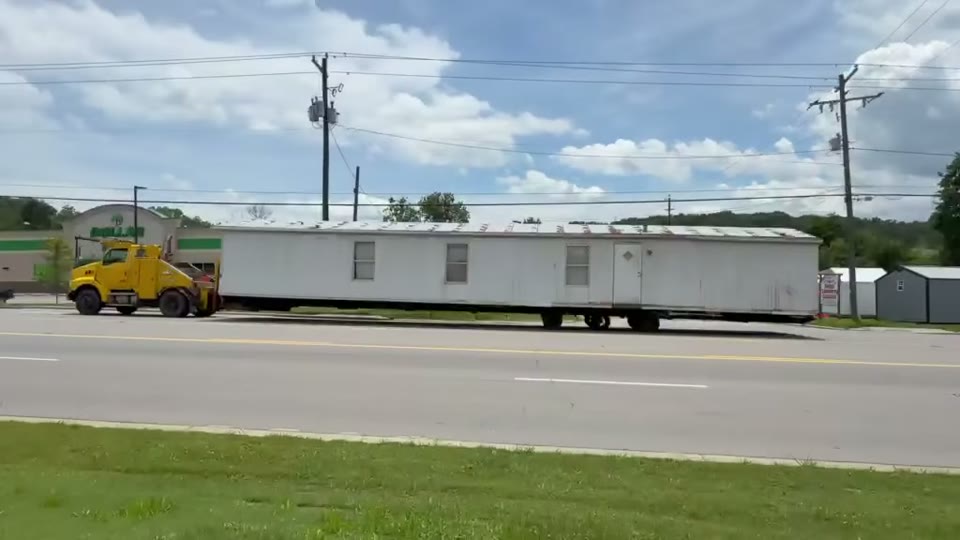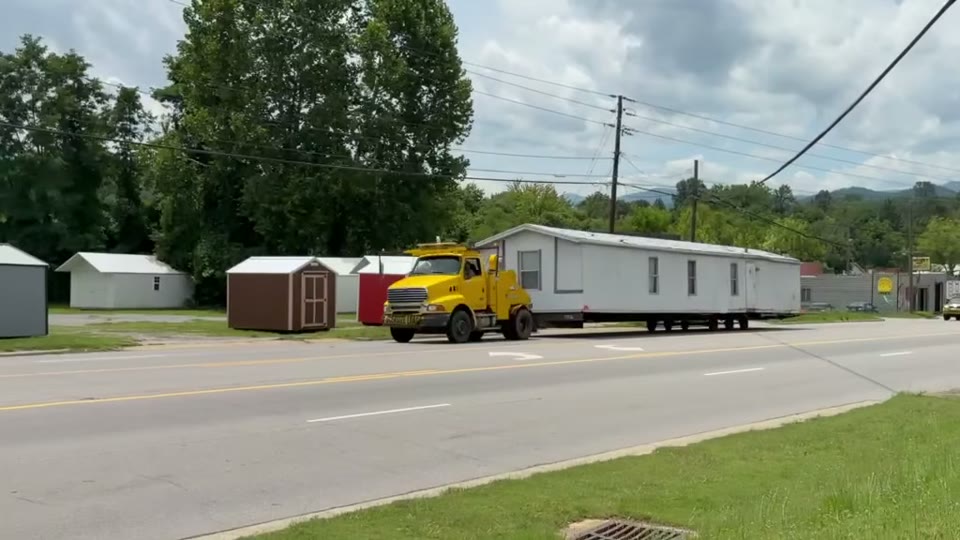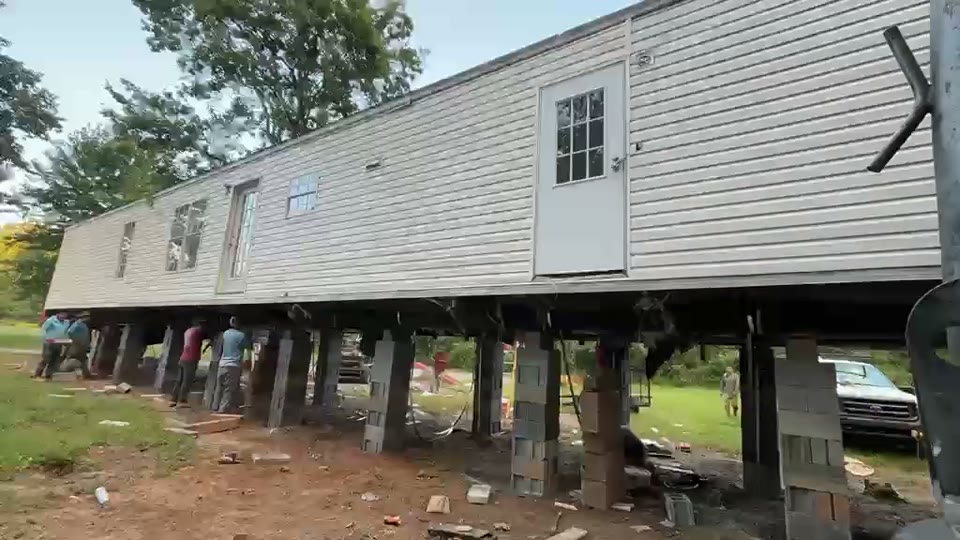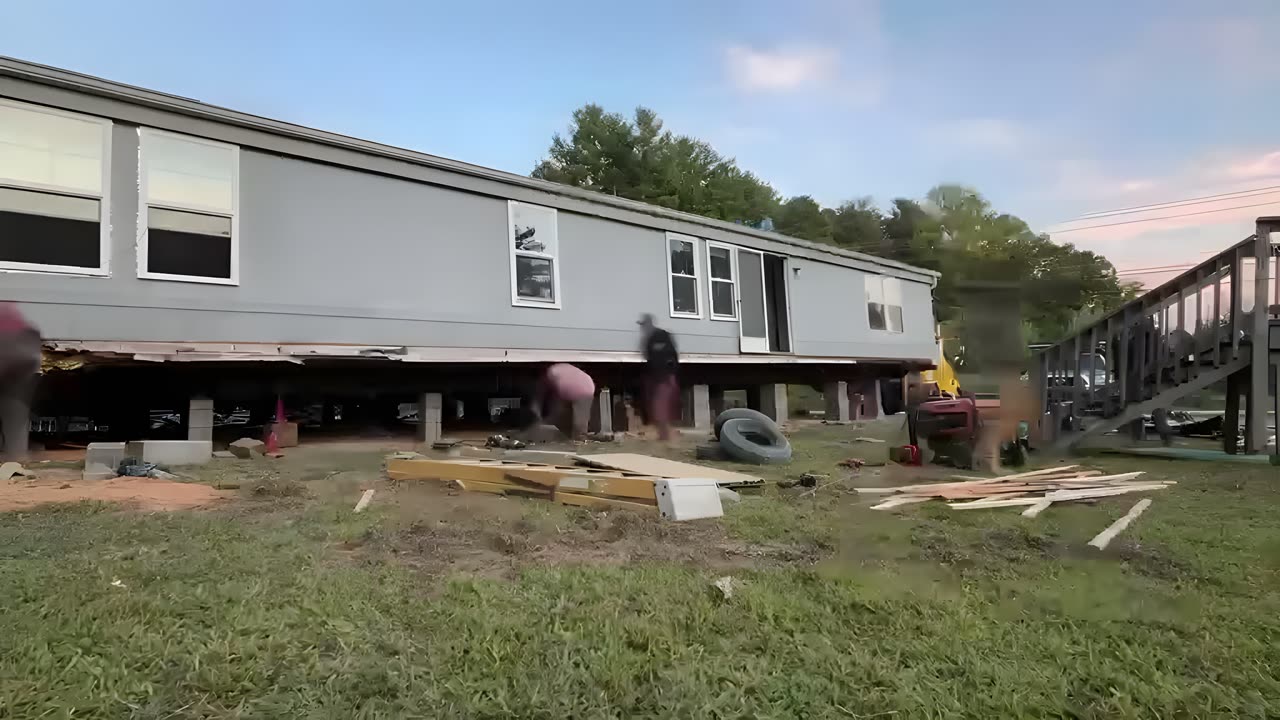
Qualla Boundary changes the first call you make
Cherokee NC sits at the junction of US-441 and US-19 inside the Qualla Boundary, the largest contiguous parcel of Eastern Band of Cherokee Indians trust land in North Carolina. That geographic fact changes the removal conversation before it starts. On tribal trust land, the Eastern Band holds its own land-use authority, which runs alongside Swain County rules rather than being replaced by them. Before a contractor quotes the job, the property owner needs to confirm which approvals are required through the tribe as well as the county permit office. What those conversations cover, and how long they take, sets the real project timeline.
The manufactured housing stock around Cherokee reflects decades of mountain placements: older single-wides on flat pads tucked behind the commercial strip along US-441, double-wides settled into creek hollows toward Bryson City, and scattered homes that have not moved in long enough that their titles have gone stale. Each situation has a different removal path depending on what the structure can still do. The goal is almost always the same: a cleared, level pad ready for what comes next, with no title clouds, no live utilities, and no debris that would hold up a building permit.
What removal typically costs in Swain County
Around Cherokee, removing a mobile home runs $3,000 to $7,000 for a single-wide and $6,000 to $15,000 for a double-wide. The gap between the low end and the high end comes down to three factors: whether the home can still travel intact, how much pad preparation the site needs after removal, and the haul distance to a permitted disposal or recycling facility. For a line-item breakdown across North Carolina, the mobile home removal cost NC guide maps every variable.
| Scope | Typical range |
|---|---|
| Single-wide, intact haul off the lot | $3,000 – $5,500 |
| Single-wide, on-site teardown and debris haul | $4,500 – $7,000 |
| Double-wide, intact haul (both sections) | $6,000 – $10,500 |
| Double-wide, on-site teardown and debris haul | $9,000 – $15,000 |
| Pad clearing and grading after removal | $500 – $2,000 |
Jobs at the top of these ranges typically involve structural deterioration that rules out an intact move, significant debris sorting between recyclable metal and landfill material, or steep lot access that slows equipment. Homes along the Qualla Boundary corridor often run toward the mid-to-upper range because haul routes through Swain County work around mountain geometry on US-19 and permit-window timing on US-441.
Intact haul or on-site teardown — making the call honestly
A manufactured home that can still roll off the lot — working axles, a frame without structural rust, a floor system that has not collapsed — typically costs less to remove and leaves less debris on-site. When a home has been sitting in one place for fifteen or twenty years, as is common throughout Swain County's mountain terrain, the axles and frame often carry corrosion that a quick walk-around misses but an inspection catches. That discovery shifts the job to on-site demolition: the structure comes down in sections, metal framing and ductwork are pulled for recycling, and the remaining material is sorted and hauled to a permitted facility.
The decision belongs to an honest pre-job inspection, not a guess from the street. The Cherokee mobile home movers guide covers what a move-readiness inspection includes; the demolition and removal guide goes deeper on the teardown path for homes that cannot travel.
Highway moves in North Carolina require an oversize permit under NCDOT Publication MH-2. US-441 is the primary corridor through Cherokee, but the mountain curves between Cherokee and Bryson City on US-19 create routing constraints that affect scheduling and sometimes cost.
Permits, title, and utility disconnects before equipment arrives
Three administrative tasks have to clear before any equipment arrives at the lot. First, property taxes must be current and a moving permit issued under NCGS Chapter 105, Article 18; that permit comes from the county tax office and confirms the state has no tax lien on the home. On trust-land parcels, verify with the Eastern Band whether additional tribal clearances are required before removal — that step is not covered by the county process alone.
Second, the contractor doing the work should be licensed through the NC Manufactured Housing Board, the licensing authority under the NC Office of State Fire Marshal. A licensed contractor carries the required insurance and handles permit coordination. Ask for the license number and verify it before signing a contract.
Third, all utilities must be disconnected before the home moves or comes down: electric service, LP gas, well or septic connections, and municipal water if applicable. Each provider controls its own disconnect scheduling, so start those calls early. Swain County's own removal permit requirements were not independently verified for this page; call the county permit office before move day rather than relying on any checklist you find online.
If the lot is being cleared for a replacement home, note that Swain County falls in HUD Wind Zone I under 24 CFR 3280.305. That designation governs the anchoring and tie-down standards that any new manufactured home installed on this site must meet.
What Swain County's storm history adds to a removal job
Swain County has 15 federally declared disaster events on record across 1993-2026, including a Hurricane in 2020, another in 2022, a Tropical Storm in 2024, a Fire in 2025, and a Winter Storm in 2026. Mountain storms in this part of western North Carolina do not just move roofing: flood water channels through creek hollows and deposits debris under homes parked in low areas, and ground saturation can soften the soil under skids and piers long after surface water recedes.
A storm-damaged home is frequently not safely movable intact. Floodwater in the floor system causes rot that is not visible without a thorough inspection; wind stress can rack a chassis enough to make hauling unsafe; debris packed under the home changes what the teardown crew has to work around. These conditions shift jobs toward demolition and raise debris volume, which affects cost.
Before contracting removal on a storm-damaged home, check whether a federal or state recovery program applies to your situation. Assistance for primary residences after a declared event sometimes offsets removal costs, and that information comes from the recovery program, not the contractor.