Lots at the forest edge, and why they require a site visit first
Pisgah Forest sits where US-64 meets US-276, the crossroads before both highways push into the national forest itself. The manufactured homes along this corridor — set back from the road on gravel drives between Brevard and the forest boundary, or tucked into wooded hillside parcels accessed by narrow easements — date from multiple decades of Transylvania County manufactured housing history. A unit placed in the 1970s on a shaded lot that has tightened around it is a different job than a 1990s double-wide on a cleared pull-through driveway, even when both sit within a mile of each other.
That diversity of placement shapes every removal job on these lots. A removal on a flat, open lot is a routine scope; a removal on a wooded Transylvania County parcel may require scouting the haul path, identifying tree conflicts before the trailer can be staged, and coordinating oversize transport routing for the run out to US-64. Tight lots on steep ground can mean the difference between a half-day rollout and a multi-day demolition. The relevant question is not the home's age on paper — it is the condition of the frame, the access to the road, and whether the lot allows the equipment needed. A site visit answers all three before any scope gets written.
Rolling it out or taking it apart: how that call gets made
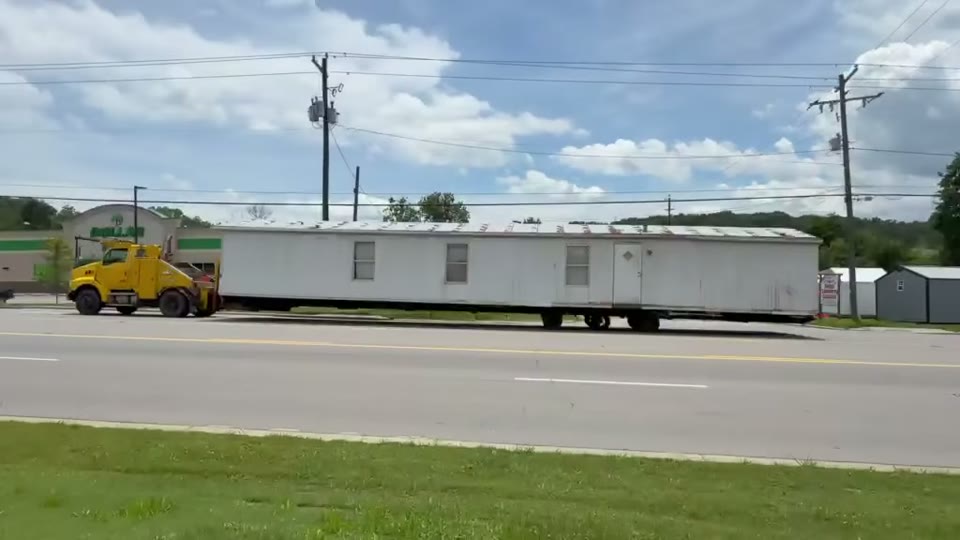
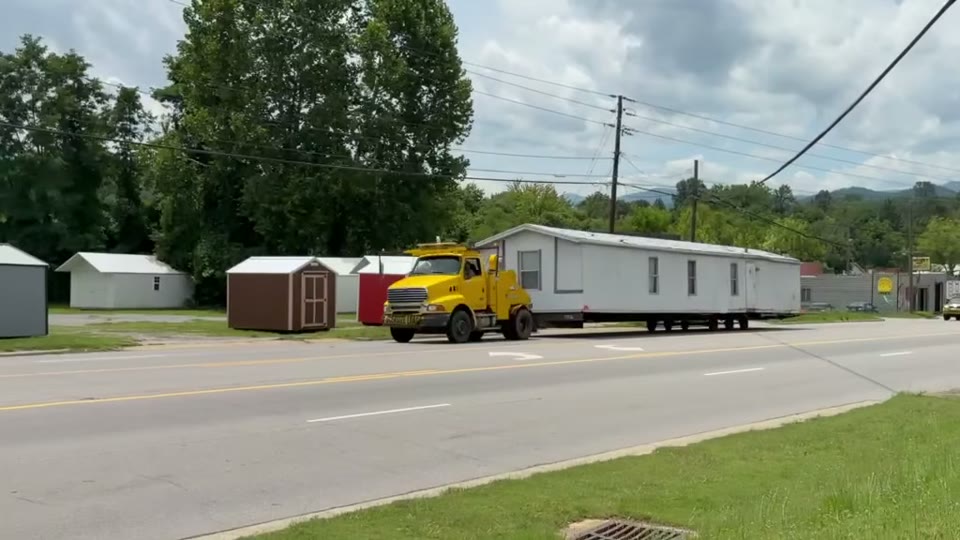
A manufactured home that can still roll has a second life somewhere. If the chassis is sound, the frame has stayed dry, and axle hardware can be remounted, the unit moves off your Pisgah Forest lot to a new location, a buyer, or a dealer — that is the scope covered at mobile home moving and setup. A rolling removal is typically the lower-cost path: the crew mounts running gear, coordinates state transport permits through NCDOT Publication MH-2, and moves the unit off the lot with the pad intact behind it.
When the home cannot roll — rotted subfloor, an unsalvageable chassis, roof damage that has run down through the walls — in-place demolition is the answer. The full breakdown of what that involves is at the demolition and removal page. One step that cannot be skipped on older units: manufactured homes built before 1978 may contain lead paint and asbestos-containing materials. Under the EPA's Renovation, Repair and Painting program, those materials require proper identification, handling, and disposal before general demolition proceeds. After the unit is down, steel and aluminum are sorted for the recycler; the balance goes to Transylvania County's solid waste facilities.
What removal typically costs in the Pisgah Forest area
These ranges reflect typical market costs for this part of Transylvania County. Tight wooded lots requiring crane positioning or clearing around mature hardwoods, pre-1978 units with lead or asbestos requirements, and double-wides on steep ground push jobs toward the top of each range. Clear road access off US-64 or US-276, a structurally sound unit heading to a buyer, and clean title that transfers without a bond process bring jobs toward the lower end. For a full line-item breakdown across North Carolina, see the NC removal cost guide.
| Scope | Typical Range |
|---|---|
| Single-wide, intact transport off lot | $3,000–$5,000 |
| Single-wide, demolition and haul-off | $4,500–$7,000 |
| Double-wide, intact transport off lot | $6,000–$10,000 |
| Double-wide, demolition and haul-off | $9,000–$15,000 |
Title, utility disconnects, and the condition of the lot when the crew leaves
The physical removal runs alongside three administrative steps, and skipping any one creates complications for the parcel's next transaction or use.
Title. In North Carolina, a manufactured home holds a motor vehicle title until it is formally converted to real property. Removal requires that title to be transferred to the new owner, surrendered through the state, or otherwise resolved. Any lien on the home must be cleared with the lender before work begins. A unit with an unresolved title can cloud the parcel record at resale and slow a future placement.
Utilities. Water, electrical service, septic, and gas where present must be properly disconnected and capped before removal crews can safely work. The county health department has jurisdiction over the septic connection; any disturbance of a drain field during removal should be coordinated with environmental health, because that same system will be reviewed when a replacement home is permitted for the parcel.
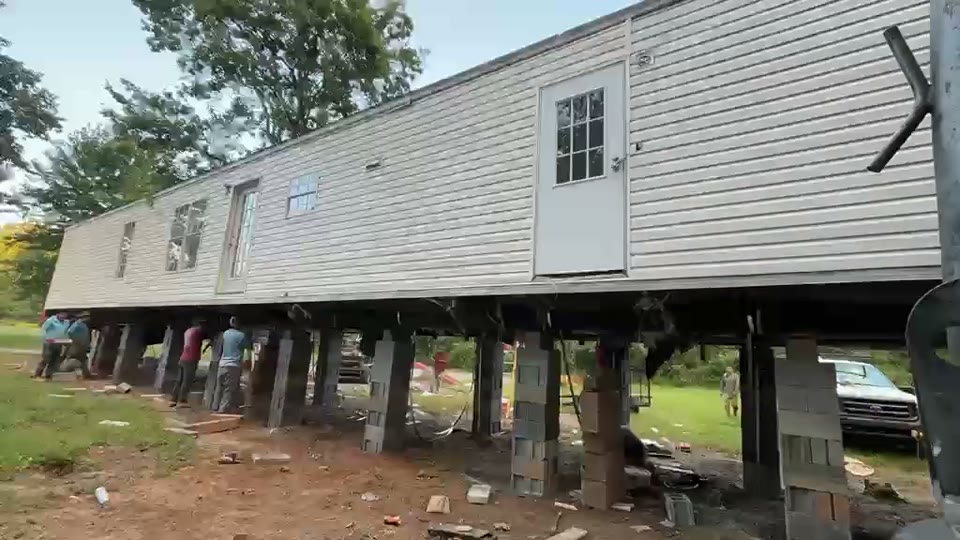
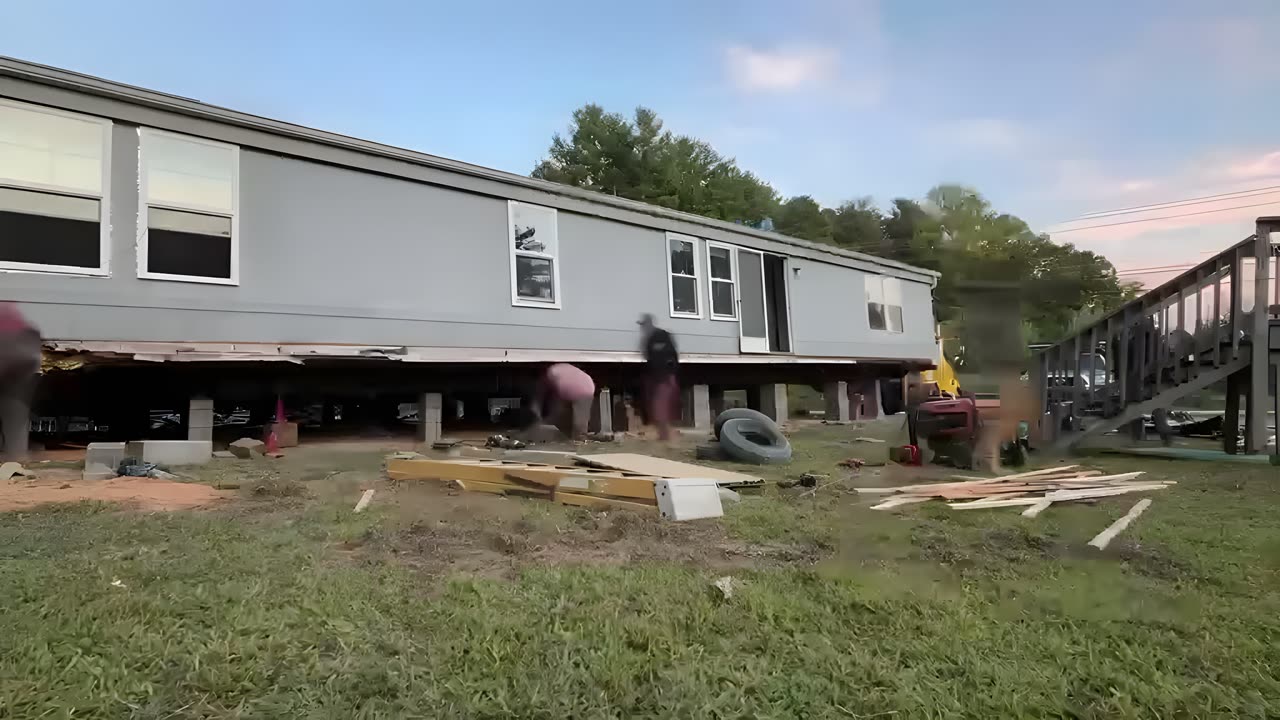
The pad. After a rollout, the concrete or block runner foundation often remains and can support a replacement home without additional work. After demolition, clearing block piers, skirting, and remaining foundation material from the surface is part of the scope. What the lot looks like when the crew leaves should be flat, accessible, and genuinely ready rather than just technically cleared.
What Transylvania County needs before a replacement home goes in
Most removal jobs in Pisgah Forest happen because the landowner is replacing the unit on the same parcel. Transylvania County's permitting process sets a checklist that governs both removal and the new placement, and the two timelines intersect.
The county requires a Manufactured Home Permit Application, a parcel map or current survey, a county-assigned 911 address for the parcel, and health department sign-off on the septic system before issuing a permit for a new placement. Once the replacement home is installed and tied down, the set-up contractor contacts the county to schedule the final inspection — the installer calls, not the homeowner, and the home cannot be occupied before that inspection passes. This sequence is governed by NC's set-up contractor licensing requirements administered through the NC Department of Insurance, which oversees who can certify manufactured home installations in the state.
Transylvania County falls in HUD Wind Zone I under 24 CFR 3280.305. Every replacement home placed here must be anchored to a tie-down system rated for Zone I loads. The county's 16 federally declared disaster events over 1993-2026 — including hurricanes in 2021 and 2023, a tropical storm in 2024, a wildfire in 2025, and a winter storm in 2026 — document what mountain terrain does to inadequately anchored, poorly drained installations when severe weather arrives. A properly set, inspected home weathers that record; one that shortcuts the inspection process may not.