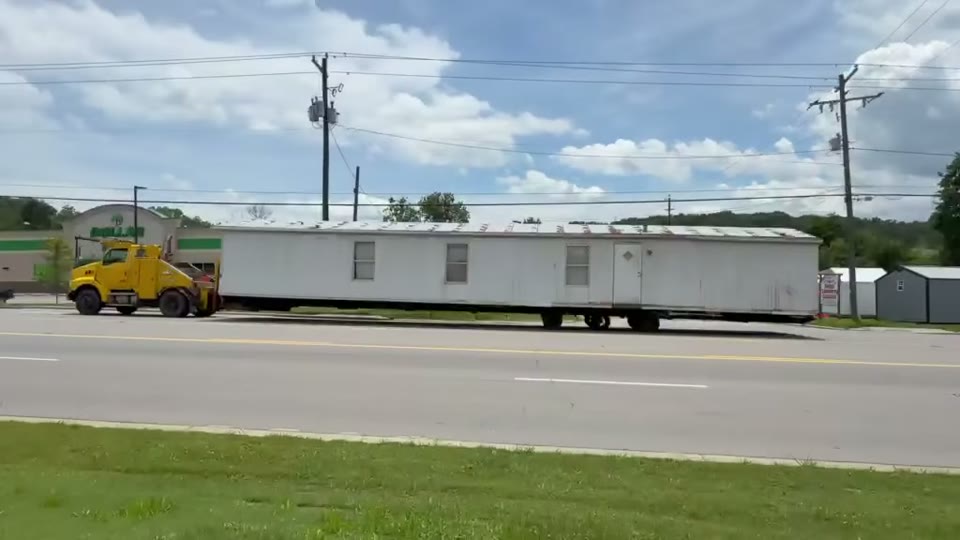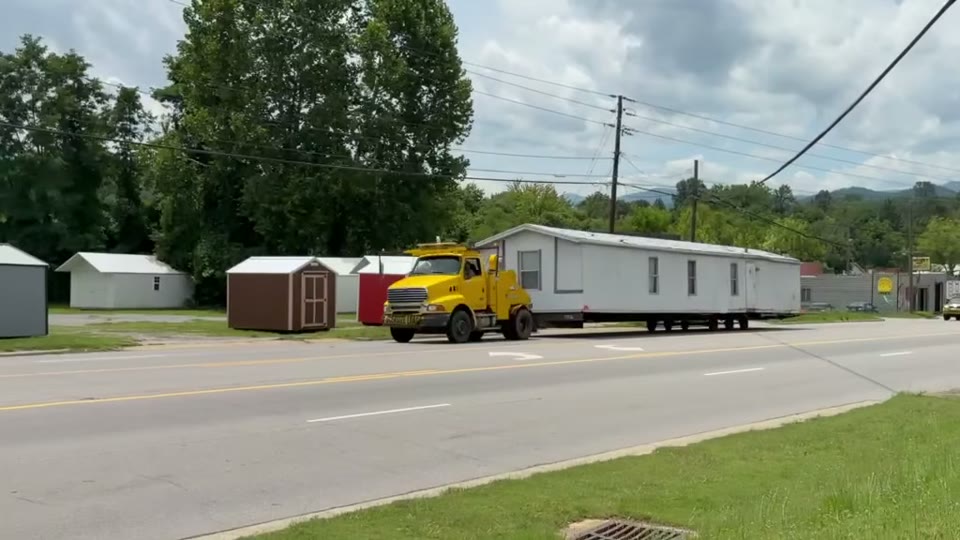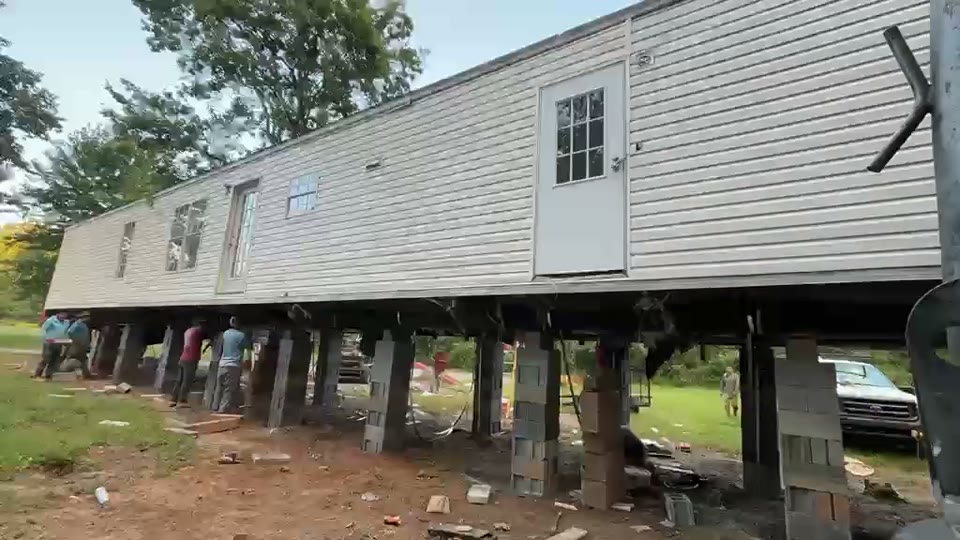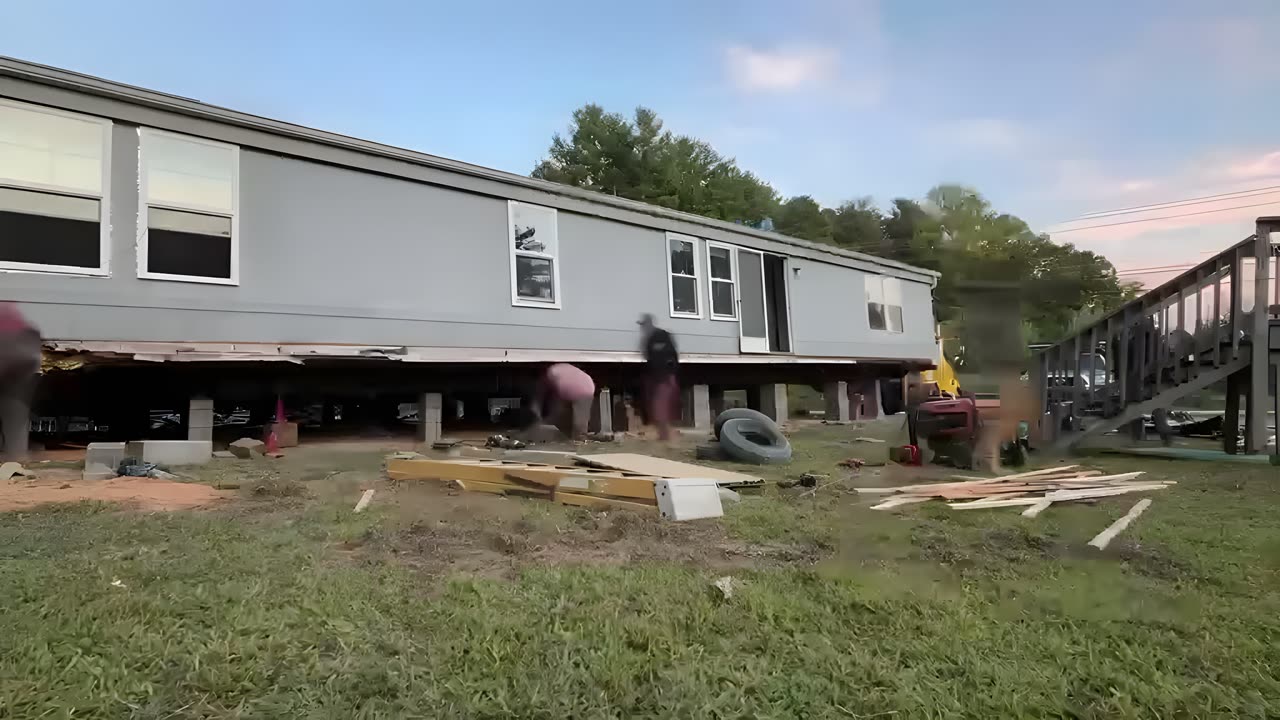
Henderson County moves don't follow a straight line
The price on a Flat Rock move sits between $3,000 and $8,000 for a single-wide and $7,000 to $15,000 for a double-wide on transport alone, and those numbers reflect how much route and destination lot shape the job before any other variable enters the picture. A home moving twenty minutes to a level lot off US-25 looks nothing like a double-wide traveling fifty miles to a site in Sylva, even if both use the same equipment class.
Real moves from this area illustrate the range. A double-wide relocated from the Flat Rock and Hendersonville corridor out to Sylva covers roughly fifty highway miles through mountain terrain and typically involves route surveys, utility coordination at both ends, and permits in multiple counties. A home brought in from Cherokee to a site in East Henderson or Flat Rock travels similar distance in the other direction — the US-74 and US-64 corridors handle the road, but a destination-lot inspection still has to happen before the home ever loads.
Both jobs start the same way: someone drives the route before the truck does, and someone walks the lot before the foundation is scoped. Road clearances, overhead utility lines, and access grades are identified on that scouting trip, not discovered the morning of the move. The rest of the number follows from what those two visits find.
What a move actually costs in Henderson County
Transport-only is a starting point, not a finished project number. The table below shows typical market ranges for the main scope categories. Most local single-wide jobs land in the middle of the single-wide band; double-wide jobs spread wider because lot and setup conditions vary more. The broader context at mobile home moving across western NC shows how Henderson County compares to surrounding mountain counties.
| Scope | Single-wide typical | Double-wide typical |
|---|---|---|
| Transport — local, under 20 miles | $3,000–$5,500 | $7,000–$10,000 |
| Transport — cross-county, 20–60 miles | $4,500–$8,000 | $9,000–$15,000 |
| NCDOT permit and route survey | $200–$600 | $300–$900 |
| Blocking and leveling at destination | $800–$1,800 | $1,500–$3,500 |
| Tie-down and anchoring (Zone I standard) | $600–$1,400 | $1,200–$2,500 |
| Utility reconnect coordination | Site-specific — budget separately | |
Line items that inflate Henderson County jobs: road access from US-25 to steep ridge lots or rural hollows, multi-county permits when the route crosses into Buncombe, Jackson, or Transylvania, and any lot prep the destination requires before the home arrives. Those are not extras — they are the job.
Road permits and county sign-off
Moving a manufactured home on North Carolina public roads requires an oversize/overweight permit from NCDOT regardless of distance. The NCDOT Publication MH-2 covers the specific requirements for mobile and modular homes — route restrictions, seasonal travel windows, and the escort vehicle rules that apply to double-wides. Read it before signing any transport contract; it tells you what the mover is legally responsible for arranging.
For moves that stay within Henderson County, a county moving permit is typically required alongside the NCDOT permit. The county process involves notification and may require a utility coordination sign-off. Power lines along rural roads leading off the US-25 corridor are the most common hold point — not distance, not terrain, but the lines that cross driveways and secondary roads between the highway and the lot.
When the home is being sited on land that requires a new installation, the NC Manufactured Housing Board, administered through the NC Office of State Fire Marshal, governs the setup inspection. That requirement applies to new installations regardless of whether the home itself is new or used.
Setup, anchoring, and wind zone requirements at the new site
Henderson County is classified under HUD wind Zone I (24 CFR 3280.305), which sets the minimum tie-down and anchoring standard for all manufactured homes installed in the county. A home moved to Flat Rock must meet Zone I requirements at the new site; the anchoring from the previous location does not transfer, and a setup inspection is required before occupancy. The HUD Office of Manufactured Housing Programs maintains the federal standards behind that requirement and publishes the installation guidance movers and installers are expected to follow.
Proper blocking and leveling on the foundation is the first check at the new site. A home that sits unlevel develops door and window binding within a season, and the floor system follows. The full setup and installation guide covers what a proper installation includes, from pier placement to skirting. If a moved home needs adjustment after settling into its new site, re-leveling is the right next step — not another full setup quote.
Utility connections at the new site — water, sewer, electric, gas — each require separate coordination and fall outside the scope of the transport contract. Budget for them before the truck loads and confirm the sequence with your mover in writing.
What Henderson County's storm record tells you about site selection
Henderson County has accumulated 16 federally declared disasters over 1978-2026, a record dominated by wind and water events: Hurricane (2019), Hurricane (2020), Hurricane (2023), Tropical Storm (2024), and Winter Storm (2026). That pattern matters to anyone siting a manufactured home here — not because the mountains see coastal hurricane intensity, but because the sequence shows how consistently heavy rainfall and wind reach this part of the Blue Ridge Foothills.
The National Weather Service mobile home guidance on tornado safety makes one point plainly: no tie-down system is rated for a direct tornado strike, and manufactured homes require a shelter plan at the permanent site. That conversation belongs in the pre-move planning meeting, not after the home is set.
Lot drainage is the slower problem. A site that channels uphill runoff toward the foundation will compromise pier footing over time, and sustained moisture under a manufactured home warrants early attention. Address grading before the home arrives — not after the first wet season on the new lot.
What to ask before a crew loads your home
Three questions worth asking before anyone hooks up a truck. First: has this crew moved a home on a route like yours? A crew comfortable on US-25 may not be set up for a long rural driveway off Crab Creek Road or a steep county-road approach north of Flat Rock. Second: what does their permit handling look like? NCDOT permit logistics, utility line coordination, and the county moving permit all need to be in place before the truck moves, not started the morning of. Third: where does transport end and setup begin? Those are typically separate contracts, and understanding the line between them prevents the most common billing disputes.
The NC Department of Labor OSH Construction Safety program governs working conditions for manufactured housing crews. Worth knowing if you are present at a job site and something looks unsafe.
Beyond those questions, the most useful check is a reference from a comparable move — similar route, similar lot conditions. Two Facebook recommendations exist for Henderson County work in this area; that is a reasonable starting thread for your own calls, not a substitute for them.