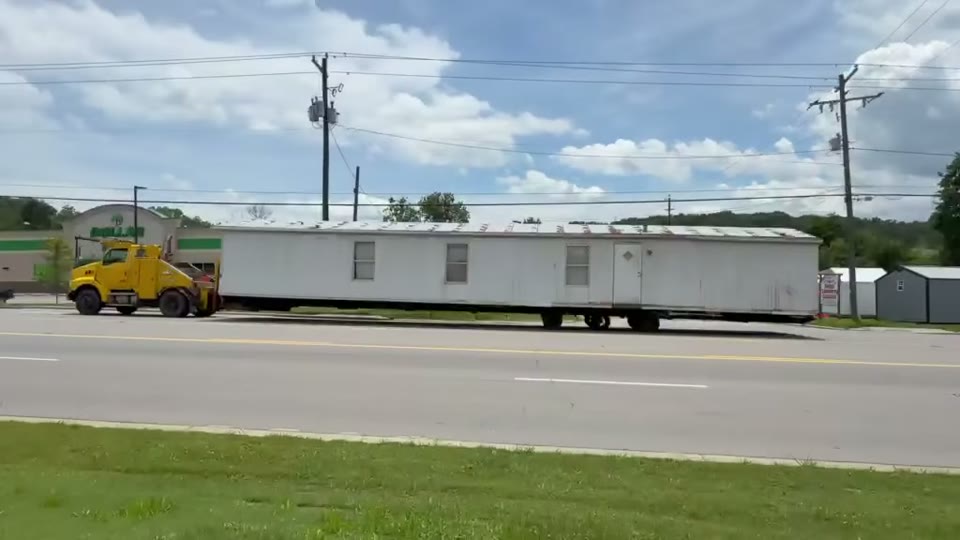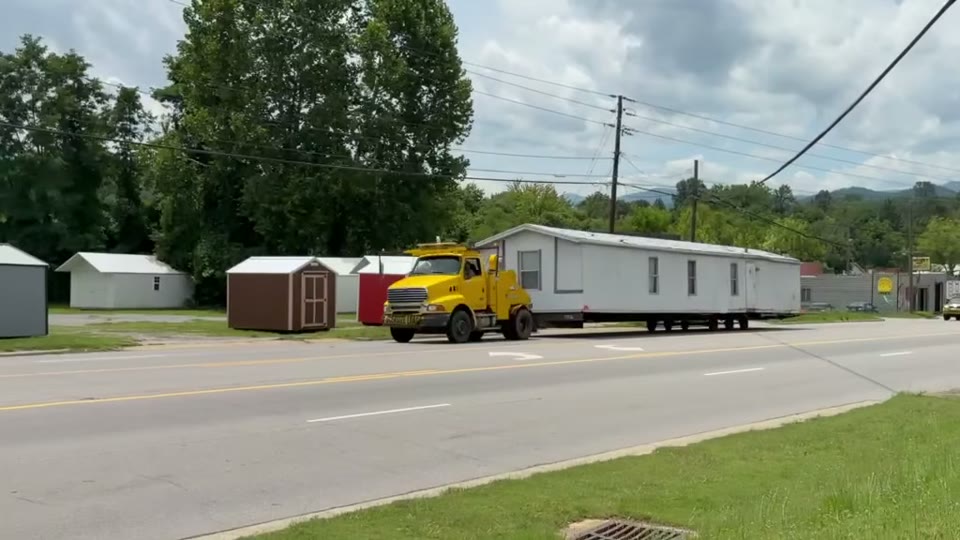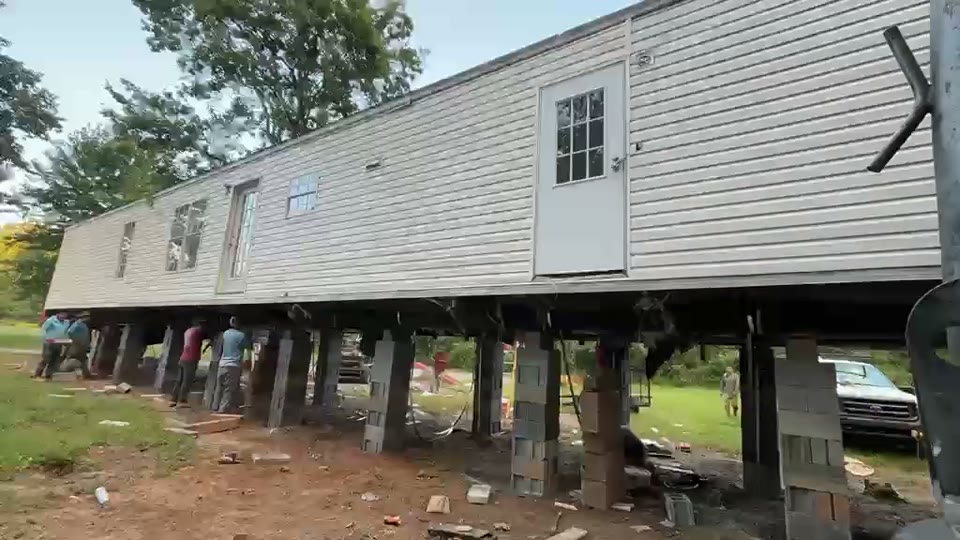
The lot after the home is gone
Flat Rock is a small historic community in southern Henderson County, sitting just south of Hendersonville along the US-25 corridor. Manufactured homes here sit on everything from wooded ridge parcels off Kanuga Road to cleared bottom lots near the French Broad headwaters. The housing stock spans decades — early 1970s single-wides on rural acreage, 1980s double-wides on subdivided lots, and newer HUD-code homes that replaced older stock after storm seasons took their toll. When a homeowner or estate needs a lot cleared — for a new site-built home, a land sale, or simply to close a chapter — removal breaks into two tracks: can the home roll out intact, or does it come down on-site?
That decision shapes every line item on a cost estimate and every permit that has to be pulled. Getting the sequence right — title first, utilities disconnected, permits in hand, and the right crew matched to the right job — is what separates a clean pad from a months-long standstill. The mobile home movers serving Flat Rock NC who assess structural condition before quoting are the ones worth calling first.
What removal typically costs around Flat Rock
Around Flat Rock, removing a mobile home typically costs $3,000 to $7,000 for a single-wide and $6,000 to $15,000 for a double-wide. The spread exists because a 14x70 that rolls out on its own axles and a 28x60 that requires on-site demolition are fundamentally different jobs — different equipment, different landfill tipping fees, and a different answer to the structural question. Factors that push toward the top of the range include homes with non-original additions, steep Henderson County parcels with limited equipment access, and debris disposal above a standard haul-away.
| Scope | Typical Range |
|---|---|
| Single-wide haul-off, home rolls intact | $3,000 – $5,000 |
| Single-wide demolition, on-site tear-down | $4,500 – $7,000 |
| Double-wide haul-off, home rolls intact | $6,000 – $10,000 |
| Double-wide demolition, on-site tear-down | $8,500 – $15,000 |
| Concrete pad removal or grinding | $800 – $2,500 |
| Septic riser or tank exposure for inspection | $400 – $900 |
Pad removal and septic work are separate line items from the home removal itself. If you are planning a new structure on the same footprint, those costs often overlap with foundation prep — see mobile home foundation grading and footers for what that scope typically involves in Henderson County.
Henderson County's permit checklist
Mobile home removal in Henderson County involves more steps than most property owners expect, and the checklist applies whether the home is rolling down US-25 or being demolished in place.
Tax-paid moving certificate. Under NCGS Chapter 105, Article 18, a tax-paid certificate is required before a manufactured home can be moved within or out of North Carolina. The Henderson County Tax Assessor's office issues this once property taxes are confirmed current.
NCDOT transport permit. Any road move requires a permit under NCDOT Publication MH-2, which governs routing, pilot car requirements, and time-of-day restrictions for manufactured housing on North Carolina roads.
Zoning clearance. Flat Rock operates as both an unincorporated community and a Historic District with its own Design Review Board. Parcels inside Flat Rock's planning area require a separate clearance there; parcels outside go through Henderson County Planning. Confirm which applies to your address before pulling any other permits.
Environmental Health sign-off. Henderson County Environmental Health must confirm that the septic system has been properly decommissioned, or issue an affidavit for an existing system staying in place. A private well serving only the removed home requires separate abandonment documentation.
Title release. For demolitions, the title is surrendered to NCDMV. For a road move, it transfers with the home. Any lien must be cleared before either step can proceed. The NC Manufactured Housing Board, administered through the NC Office of State Fire Marshal, sets the licensing requirements for contractors performing this work in North Carolina — verify current licensure before signing a contract.
Whether it rolls or comes down on-site
Henderson County sits in HUD wind Zone I under 24 CFR 3280.305 — the baseline standard for how manufactured homes were engineered and anchored here. That same engineering spec, including tie-down system design and frame construction, is what a removal contractor uses to judge whether a home retains enough structural integrity to survive transport. Most experienced crews check the frame rail, the marriage wall connection on double-wides, and the roof crown before making that call.
A home that rolled into its current location thirty years ago may not roll out the same way. Axle condition, frame rust, roof load, and non-original additions all factor into the assessment. When the structure is compromised, on-site demolition is not the fallback option — it is the right one. Mobile home demolition and removal covers what that process involves, including debris sorting, landfill haul-off, and material recycling where applicable.
Henderson County has recorded 16 federally declared disasters spanning 1978-2026, including Hurricanes in 2019, 2020, and 2023, a Tropical Storm in 2024, and a Winter Storm in 2026. Homes on Henderson County parcels that absorbed storm impact from those events often show compromised frames, soft subfloor, and roof sheathing separation — conditions that end a potential haul-out and turn the scope into a demolition job.
Utilities, title, and the pad you leave behind
Utility disconnects must happen before equipment arrives, not the morning of. Duke Energy serves most of the Flat Rock area; the electrical service entrance must be properly decommissioned and metered out before staging. Water and sewer connections — whether tied to Henderson County public water or a private well and septic — each have their own decommissioning steps. Environmental Health's septic sign-off is typically what triggers the county's zoning release, so beginning that process early matters.
The pad itself is a separate decision once the home is gone. A concrete runner pad from a 1970s setup can often be ground in place and used as base material for a replacement structure. A poured slab may require partial removal to establish proper drainage before a new home can be set. Either way, lot-grading work and footer placement are their own scope — foundation grading and footers covers what that preparation typically looks like for a new setup in Henderson County.