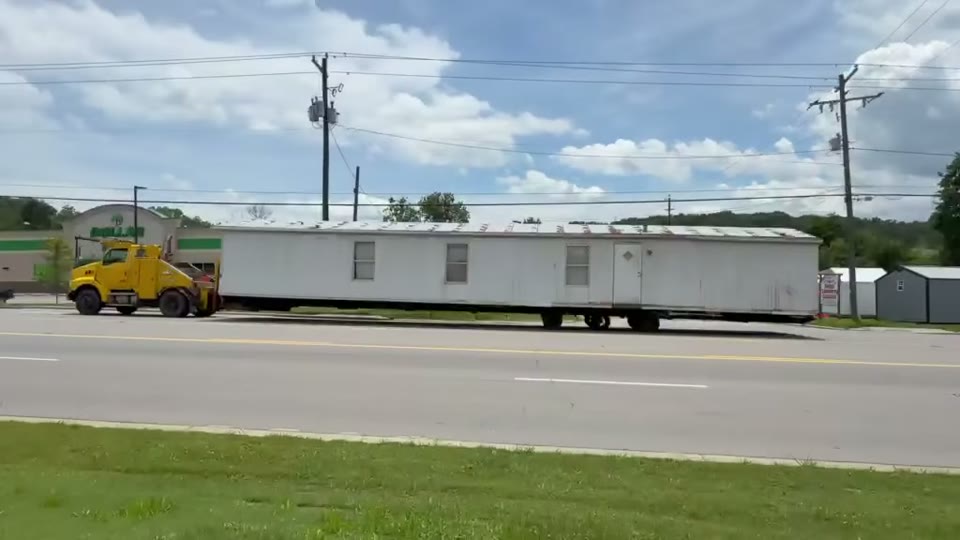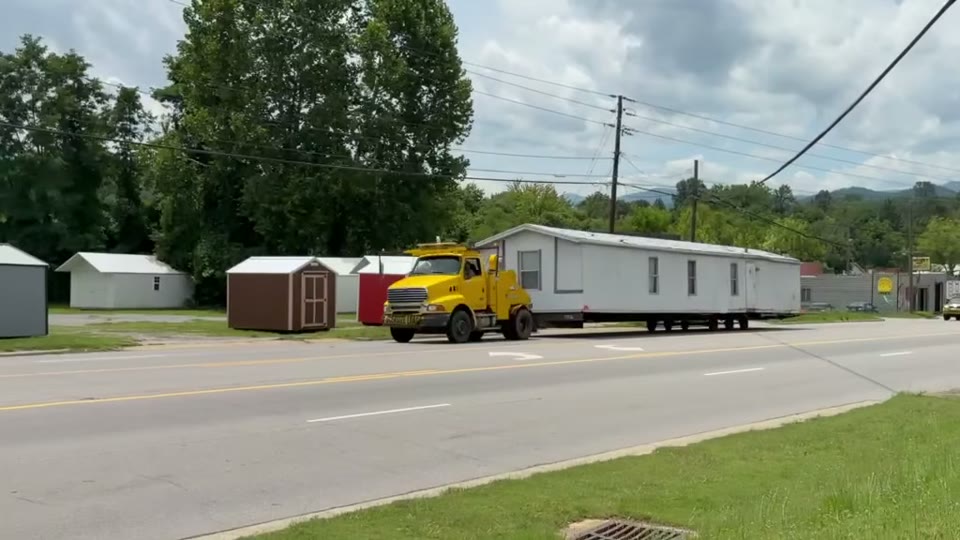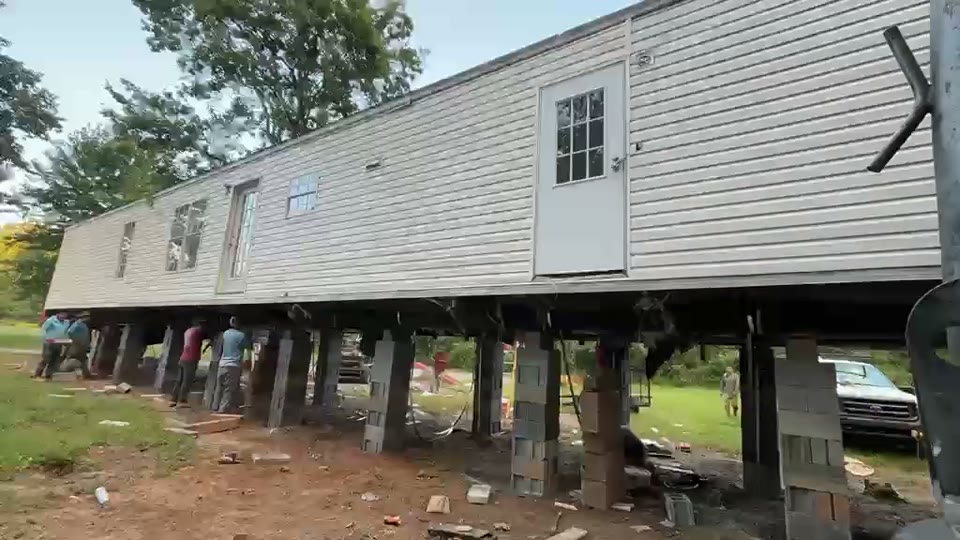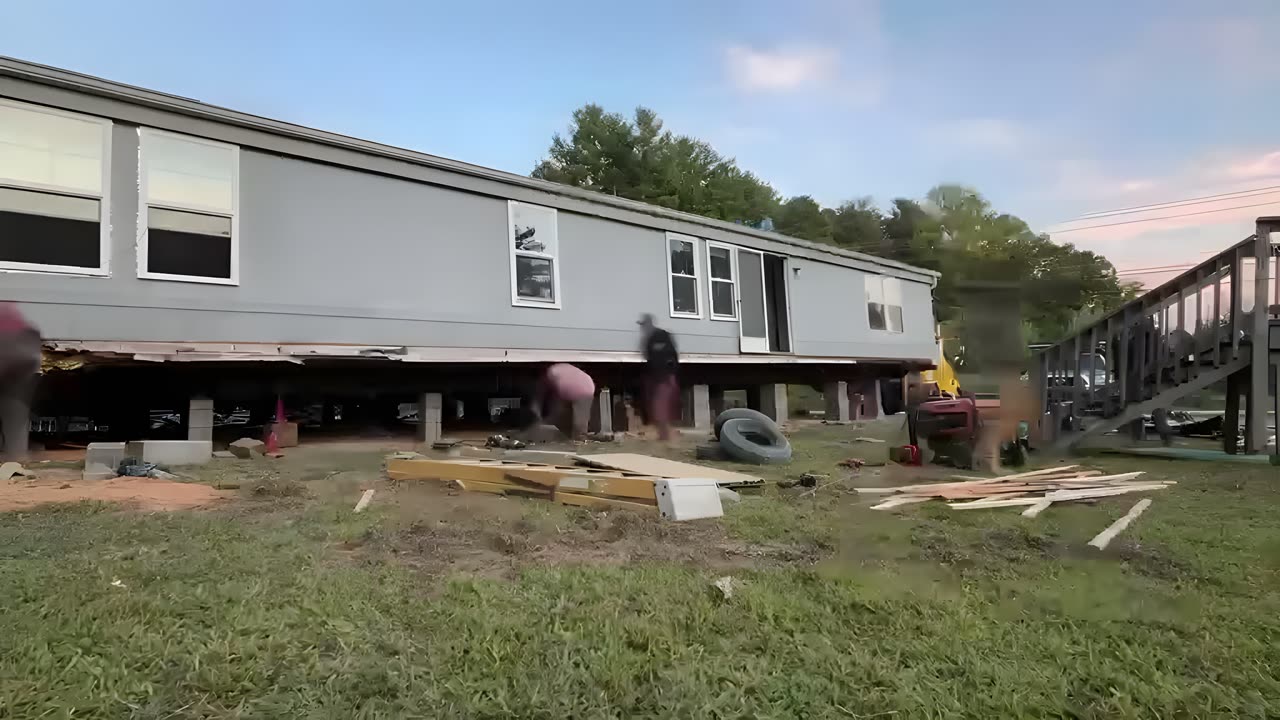
Fletcher's position on the I-26 corridor
Fletcher occupies the I-26 and US-25 corridor between Asheville NC and Hendersonville — roughly ten miles of mixed terrain beside Asheville Regional Airport. Henderson County has a substantial manufactured-housing stock spread across park lots along US-25, older single-wides on rural tracts east of town, and newer double-wides on private parcels where lot grade and access road width vary considerably. The French Broad River bottomland north of Fletcher runs relatively flat; the terrain above the airport and toward the ridgelines is a different problem entirely.
Two factors shape every move in this corridor that don't appear on a generic price estimate: the route and the lot. Getting an oversized load from a park lot on the US-25 commercial strip to a private parcel on a steep Henderson County ridgeline involves different NCDOT permit conditions, different escort requirements, and sometimes a scout drive before move day. For moves that originate or land outside Henderson County, the western NC moving guide covers multi-county logistics across the mountain region.
What a move in this corridor typically costs
For most Henderson County moves, the realistic band is $3,000 to $8,000 for a single-wide and $7,000 to $15,000 for a double-wide, transport only. Setup, blocking, anchoring, and utility reconnects are separate line items. What drives cost inside that band: distance, home size, lot conditions at both ends of the move, and whether the route requires a permit escort or a pre-move road survey.
| Scope | Typical range |
|---|---|
| Single-wide, short move (under 20 miles) | $3,000 – $5,500 |
| Single-wide, regional move (20–60 miles) | $5,000 – $8,000 |
| Double-wide, short move (under 20 miles) | $7,000 – $10,000 |
| Double-wide, regional move (20–60 miles) | $10,000 – $15,000 |
| Setup and pier blocking at new site | $1,500 – $3,500 |
| HUD Zone I anchoring and tie-downs | $800 – $2,000 |
| Skirting removal and reinstall | $400 – $1,200 |
Steep-lot jobs on the ridge terrain above the airport side of Fletcher and any move crossing into Buncombe County can push toward the top of the double-wide range before optional items appear. See the full NC cost guide for a line-item view of what goes into each row.
Henderson County's permit checklist
Before a wheel turns, two state-level instruments are required. NCDOT Publication MH-2 governs oversized load movement on NC public roads — width limits, designated routes, time-of-day restrictions, and escort requirements all come from that document. Separately, NCGS Chapter 105, Article 18 requires a tax-paid moving permit: outstanding property taxes on the home must be cleared with the county tax office before the permit is issued. Missing either one stops the move at the first NCDOT checkpoint.
At the county level, a move ending on a Henderson County parcel typically requires all of the following:
- Zoning clearance from Henderson County Planning or the Town of Fletcher planning office, depending on where the destination lot sits
- Environmental Health approval — a new septic permit for the receiving site, or a signed affidavit confirming the existing system can serve the home being placed
- Water and sewer tap receipts if the parcel connects to public utilities
- Building permit application with a site plan showing setbacks and utility locations
- County Assessor's moving permit for any move that originates inside Henderson County
The NC Manufactured Housing Board licenses the contractors authorized to set and install manufactured homes under state law. That license is a required baseline — it is not a substitute for knowing Henderson County's local permit sequence.
Site setup: blocking, anchoring, and what Zone I requires
Henderson County falls under HUD Wind Zone I (24 CFR 3280.305). That designation sets the minimum anchor count, spacing, and hardware type required when the home is placed at the new site. A home installed without meeting Zone I requirements will not pass the NC manufactured housing installation inspection, regardless of how the transport went. The HUD Office of Manufactured Housing Programs maintains the federal installation standards; NC Manufactured Housing Board rules layer on top for state-specific requirements.
Lot grade matters especially in this part of Henderson County. Ridge terrain north and east of Fletcher often means the downhill side of a double-wide needs significantly more pier height than the uphill side — additional blocking height is real material and labor that should appear as a specific line item on any estimate, not a vague site-conditions allowance. On flat bottomland lots near the river corridor, setup is more predictable, though soil bearing capacity and drainage still affect how piers are designed. Proper post-placement leveling is a distinct step from the transport itself; the Fletcher leveling page covers what that inspection and adjustment process involves on Henderson County terrain.
Storm history and the scheduling calendar
Henderson County has accumulated 16 federal disaster declarations over 1978-2026, including Winter Storm (2026), Tropical Storm (2024), Hurricane (2023), Hurricane (2020), and Hurricane (2019). Storm events affect the moving calendar in two ways: saturated ground reduces the stability of pier blocking under a freshly set home, and NCDOT can hold oversize load permits after major weather events until road conditions are reassessed. The NOAA National Weather Service mountain zone forecast is what experienced moving crews watch alongside the permit calendar, particularly in spring and late summer.
The more consistent scheduling constraint in Fletcher is the permit queue, not the weather. Henderson County Environmental Health and the county building department both run review timelines that can take two to four weeks depending on backlog. Starting permit applications before the transport date is set — rather than after — prevents the situation where a permitted home is waiting at the old site while the new lot's paperwork is still pending.