Routes through the gorge shape the whole project
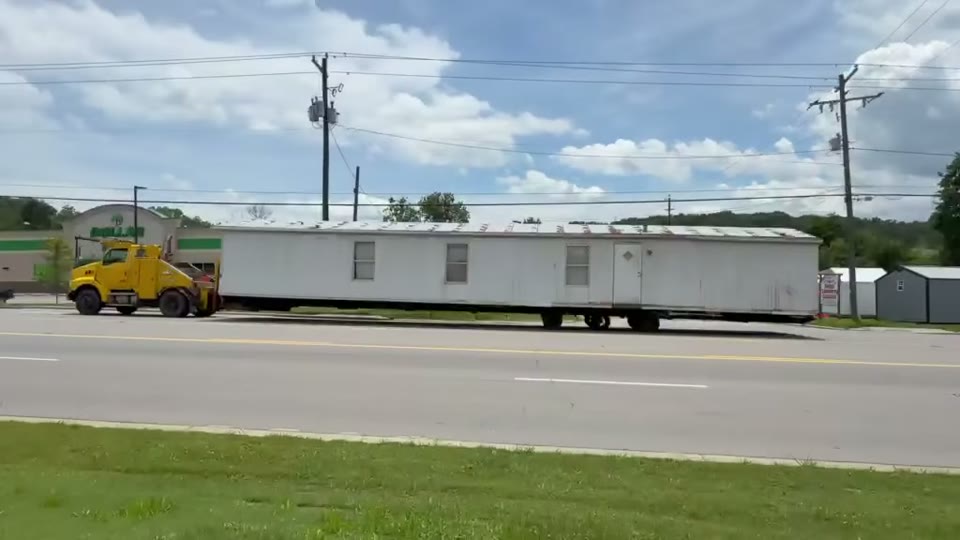
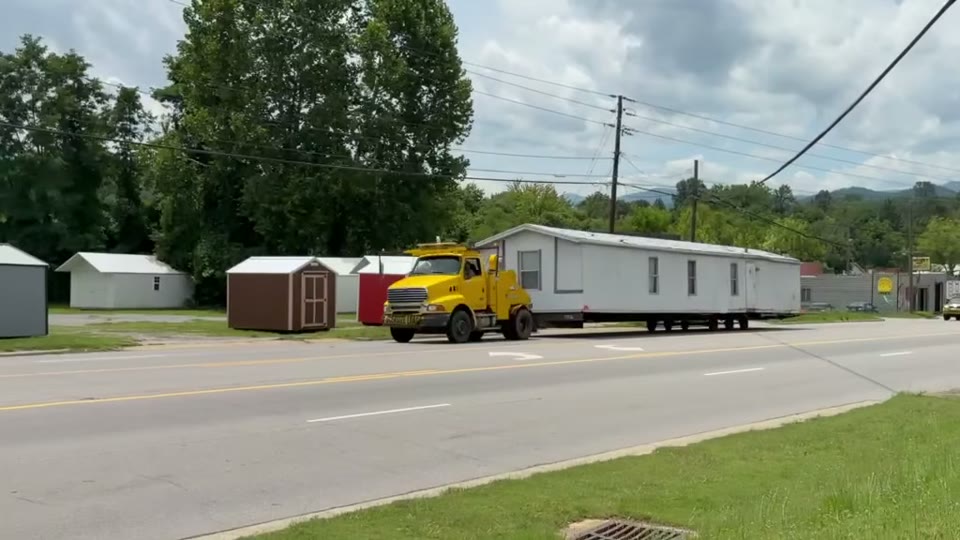
Bryson City sits where US-19 and US-74 converge at the eastern end of the Tuckasegee River gorge, and that geography is not incidental to a mobile home move — it is the first question a mover has to answer. The canyon walls and river crossings that make this corner of Swain County distinctive also constrain where an oversize load can hold a wide turn or clear an underpass. A single-wide moving a short distance within the county is a materially different project from a double-wide routed west toward the Nantahala Gorge or east through Sylva into Jackson County.
Bryson City and the surrounding Swain County communities — Almond, Nantahala, and the lakeside parcels near Fontana Village — hold a mix of older single-wides that have sat on the same lot for decades and newer double-wides on mountain parcels where the access road carries its own grade challenge. Home condition at disconnect and lot accessibility at the destination are both part of the job scope before any price makes sense.
Route planning precedes pricing on mountain moves. A quote that arrives before anyone has walked the destination lot or confirmed the approach road is leaving out two of the three variables that drive cost on a Swain County job — the third being the condition of the frame when disconnect begins. For a broader look at what these moves involve across the region, see mobile home moving in western NC.
What a Swain County move typically costs
The table below reflects typical market conditions for transport and the most common add-on scopes in this area. Site prep, leveling, utility work, and permits are each billed separately and vary by lot condition, home size, and how much grade the new site carries. A quote that does not itemize those lines is incomplete — use these ranges as a realistic frame, not a negotiating floor.
| Scope | Typical Range |
|---|---|
| Single-wide transport, within Swain County | $3,000 – $5,500 |
| Single-wide transport, adjacent county or difficult route | $5,000 – $8,000 |
| Double-wide transport, within county | $7,000 – $10,500 |
| Double-wide, multi-county or difficult grade | $10,000 – $15,000 |
| Blocking and leveling at new site | $500 – $1,500 |
| Utility disconnect and reconnect prep | $300 – $800 |
| NCDOT permit and state tax-paid moving permit | $100 – $400 |
For a complete line-item breakdown of how mileage, route class, and permit fees stack up, the NC mobile home move cost guide covers each component in detail.
Permits the state requires before the truck rolls
Two state permits are required for every mobile home move in North Carolina. The first is the NCDOT oversize transport permit — governed by Publication MH-2 — which sets routing requirements, daylight-only movement rules, and escort vehicle requirements based on home width and road classification. Routes through the US-74 corridor have their own width and timing considerations that a mover operating regularly in this county should know before scheduling.
The second state requirement is the tax-paid moving permit under NCGS Chapter 105, Article 18, which confirms that property taxes on the home are current before it can legally leave a parcel. Initiating this step is the homeowner's responsibility, not the mover's — build that lead time into your schedule before you set a move date.
Local permits for the setup at the destination — zoning, building, or installation — are a separate layer. The current requirements at Swain County's permit office were not verified for this page. Call the county permit office before move day and confirm exactly what they require at the destination address. Do not assume your mover handles this step automatically.
Anchoring and leveling at the destination
Swain County falls in HUD Wind Zone I under 24 CFR 3280.305, the baseline anchoring standard for manufactured housing. That classification governs the tie-down system at the new site — the anchor count, spacing, and strap geometry required for a compliant installation. An anchor pattern that passed inspection at the previous lot may not transfer directly if the soil type or grade at the new site differs.
Every installation or reinstallation in North Carolina is subject to the standards and licensing rules set by the NC Manufactured Housing Board, which licenses installers and defines what a setup inspection must cover. Using an unlicensed installer can affect the home's insurability and create complications at resale.
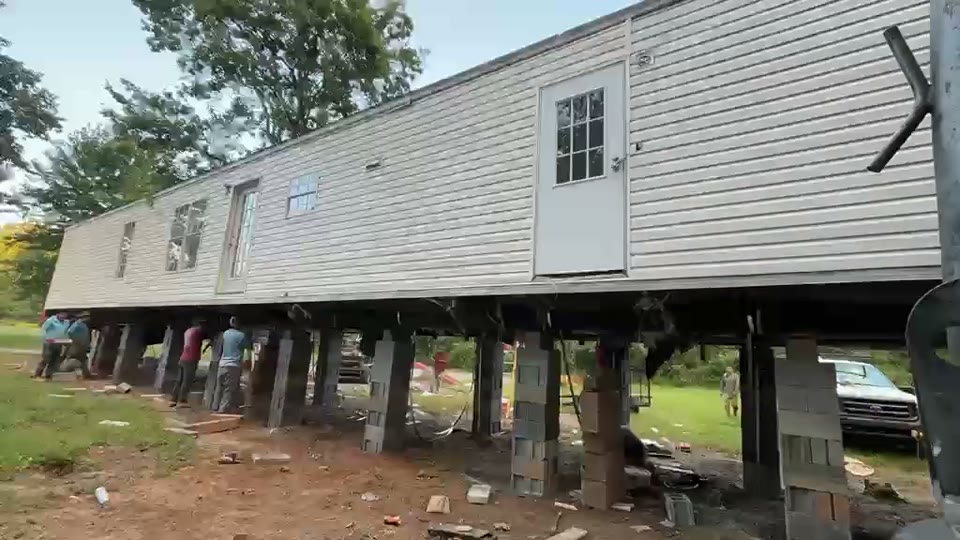
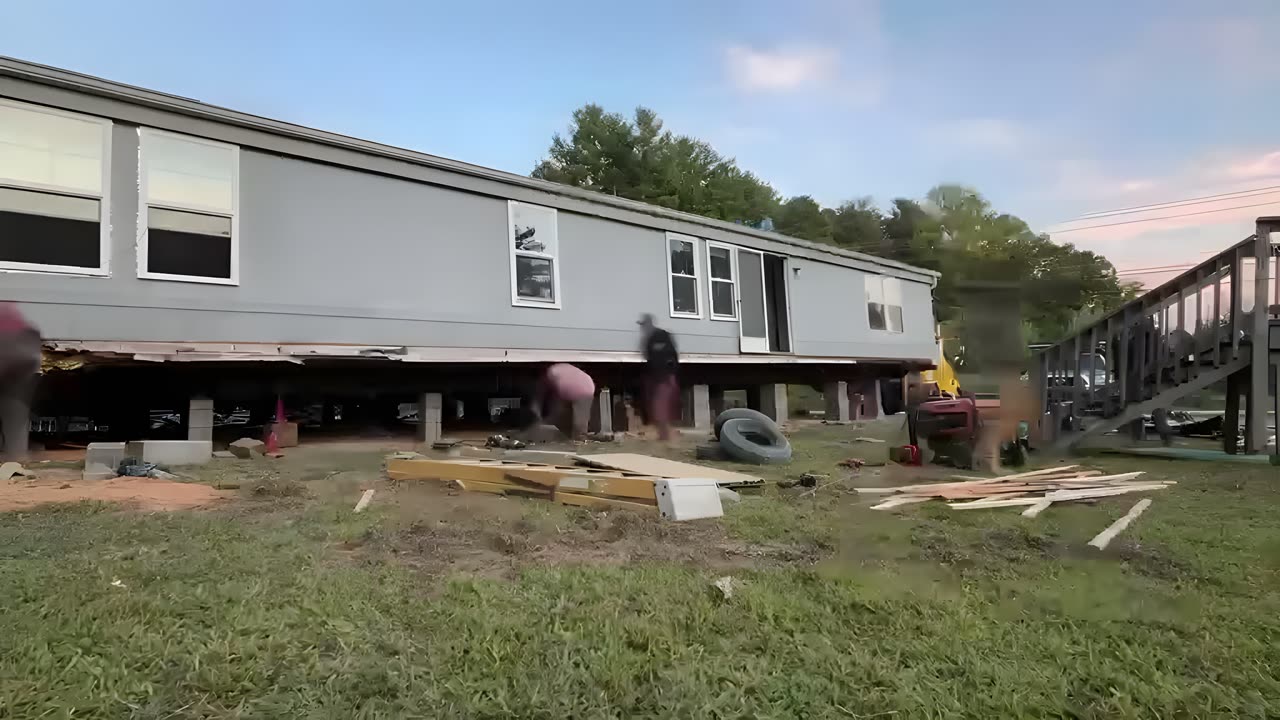
Leveling is not a cosmetic step. A double-wide set even slightly off-level puts uneven stress on the marriage wall, door frames, and utility penetrations — problems that compound over time and become structural. If the destination lot slopes toward a drainage channel or has soft fill near the foundation line, those conditions need assessment before the home arrives. The mobile home leveling in Bryson City NC page covers what that assessment involves and what to ask for before setup begins.
Storm history and what it means at setup
Swain County has recorded 15 federally declared disaster events over 1993-2026, a history that includes Hurricane (2020 and 2022), Tropical Storm (2024), Fire (2025), and Winter Storm (2026). That pattern reflects how frequently this part of western NC takes serious weather loads — wind, flood, and ice conditions that can shift an improperly anchored home or expose the weaknesses of a setup that was marginal before the event. A home being relocated after one of these events may carry pre-existing frame stress that changes how it can be safely transported; an inspection before disconnect is not optional on those jobs.
Flood risk and seasonal storm frequency in the Tuckasegee and Nantahala drainages are tracked through the NOAA National Weather Service. The forecast zone covering this part of Swain County gives the weather baseline that informs how seriously to treat anchoring at any site near the river or on an exposed ridge. A home on a floodplain parcel or a south-facing slope with limited wind break deserves a tie-down review beyond the standard Zone I minimum — not because the code is wrong, but because lot conditions at the upper end of what that zone was written to cover are common here.